



A Return to Familiar Friends
To understand the immense pressure on *Toy Story 5*, you first have to understand the mantra of Disney CEO Bob Iger in his second stint at the helm: lean into the core franchises. After a series of ambitious but financially disappointing original films
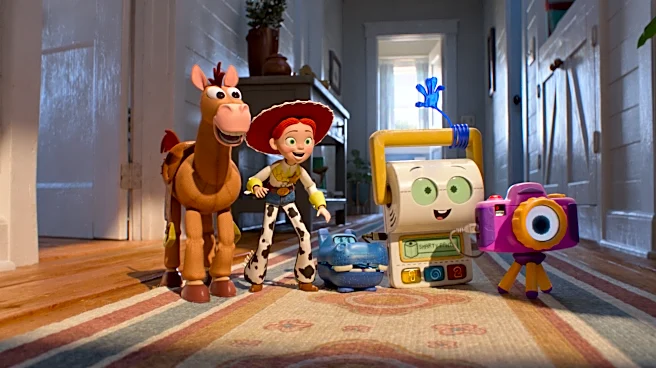
like *Strange World* and the *Lightyear* spinoff—which failed to connect with audiences—Disney is retreating to what it knows works. The company's recent strategy has been marked by a perceived over-investment in streaming content and new stories that didn’t have the built-in audience of, say, a princess or a superhero. *Toy Story 5*, along with announced sequels for *Frozen* and *Zootopia*, represents a powerful course correction. This isn't just about making another movie; it’s a strategic pivot back to theatrical blockbusters built on globally recognized, multi-generational intellectual property (IP). In a fractured media landscape, Woody and Buzz are as close to a sure thing as Disney has. The gamble isn't whether people will show up, but whether the film can be big enough to justify the entire strategy.
Healing the Pixar Brand
For decades, the name “Pixar” was synonymous with unrivaled quality and box office gold. A new Pixar movie wasn’t just a film; it was a cultural event. That sheen has recently faded. The pandemic-era strategy of sending brilliant films like *Soul*, *Luca*, and *Turning Red* directly to the Disney+ streaming service taught audiences they could wait for a home viewing. This devalued the brand’s theatrical prestige. The subsequent underperformance of *Lightyear* and the slow-burn success of *Elemental* (which eventually found its footing but wasn't an opening-weekend smash) showed that the Pixar magic was no longer automatic. *Toy Story 5* is designed to be a defibrillator for the brand. It’s an attempt to shout from the rooftops that Pixar is still the king of the animated box office. A record-breaking success would not only bring in massive revenue but also restore the perception that a new Pixar film is an unmissable cinematic experience, setting the stage for its future original projects to thrive.
The Risk of One Last Adventure
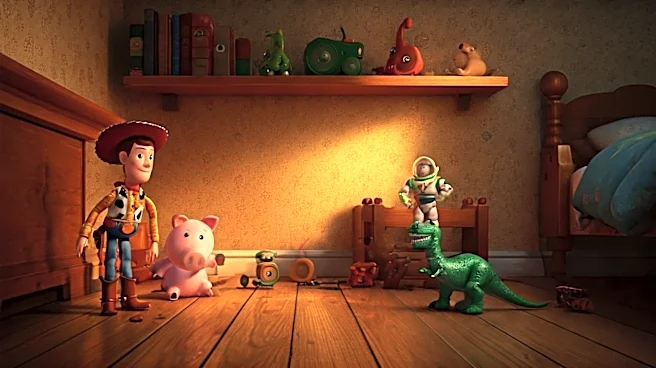
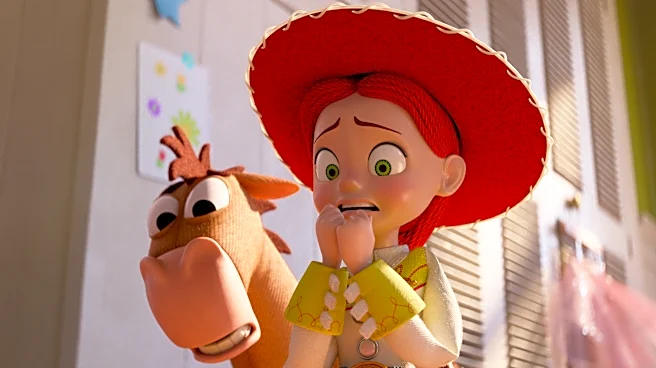
*Toy Story 3* provided what many felt was a perfect, emotionally devastating conclusion to the trilogy, ending with Andy passing his cherished toys to Bonnie. Then came *Toy Story 4*, which surprisingly found a new, poignant ending by separating Woody from the group to start a new life with Bo Peep. It was a conclusive, if divisive, finale for the franchise’s central character. Announcing a fifth film immediately invites skepticism and creative risk. How do you continue a story that has already had two perfect endings? Any new narrative risks feeling like a cash grab that undermines the emotional weight of its predecessors. If the story feels forced or unnecessary, it could tarnish the legacy of the entire series—one of the most critically acclaimed in film history. The financial stakes are high, but the creative stakes are arguably higher. The film must not only make money; it must justify its own existence to a legion of protective fans who have grown up with these characters.
The Playroom for the Entire Company
The success of a modern Disney blockbuster isn’t just measured in ticket sales. The “playroom” metaphor is apt because a hit *Toy Story* film activates the entire Disney ecosystem. A successful movie means a massive surge in merchandise sales, from talking action figures to t-shirts. It fuels new attractions and character meet-and-greets at theme parks in Orlando, Anaheim, and around the globe. It spins off new content for Disney+ and keeps the characters at the forefront of pop culture. In this sense, *Toy Story 5* isn't a single investment; it's a seed for a dozen other revenue streams. It’s about ensuring that a new generation of kids begs for a Buzz Lightyear action figure, keeping the multi-billion-dollar brand evergreen. A flop, or even a modest success, doesn’t just mean a cinematic disappointment. It means a missed opportunity to fuel the wider, highly integrated Disney corporate machine for the next decade.