


The East Coast ‘Soccer Breakfast’
Let's start with the “best case” bad scenario. For fans on the East Coast, a World Cup in Europe or the Middle East means early mornings. The 5 a.m. EST kickoffs for Qatar 2022 were brutal, but the more common 8 a.m., 11 a.m., and 2 p.m. ET slots for European
tournaments create a unique rhythm. This is the birthplace of the “soccer breakfast” at the local pub. It’s the strange-but-wonderful experience of having a beer and a plate of eggs while watching Kylian Mbappé score a screamer before your second cup of coffee. It turns a solitary activity into a communal one, forging bonds between strangers in a dimly lit bar at an hour normally reserved for commuters. For those working from home, it's the era of the “soft-muted” second screen, where a crucial group stage match plays silently next to a spreadsheet, punctuated by frantic typing in a Slack channel when a goal is scored.
The West Coast's Pre-Dawn Purgatory
Now, travel three hours west. That civilized 8 a.m. East Coast match is a 5 a.m. ordeal in Los Angeles. The 5 a.m. opener becomes a 2 a.m. test of faith. This is where World Cup fandom transforms from a social activity into a solitary, almost monastic devotion. There are no pubs open. No cheering crowds. It’s just you, the glow of the television, a pot of coffee brewing in the dark, and the hope that your silent, fist-pumping celebration won’t wake the rest of the house. The West Coast experience is a testament to the hardcore fan. It’s a sleep-deprived, bleary-eyed journey where the joy of a last-minute winner is immediately followed by the grim calculation of how little sleep you'll get before work. The 2002 World Cup in South Korea and Japan, with its overnight kickoffs, is legendary among older fans as the ultimate test of loyalty.
Navigating the Spoiler Minefield
For millions who can’t justify waking up at 3 a.m. or skipping work, the day becomes a digital obstacle course. The challenge is no longer about watching the game; it’s about *not knowing* what happened in the game until you can watch it on replay later. This requires a level of self-discipline worthy of an athlete. You put your phone on airplane mode. You mute keywords on Twitter. You avoid sports websites like the plague and shoot friends a preemptive text: “DON'T TELL ME ANYTHING.” It’s a 21st-century problem spawned by an old-world tournament schedule. The tension between the desire for real-time communal experience and the practical need to watch on-demand creates a unique anxiety. Do you risk the spoiler for a day of peace, or do you live in a media blackout for 12 hours to preserve the sanctity of the recorded match?
The Prime-Time Promise of 2026
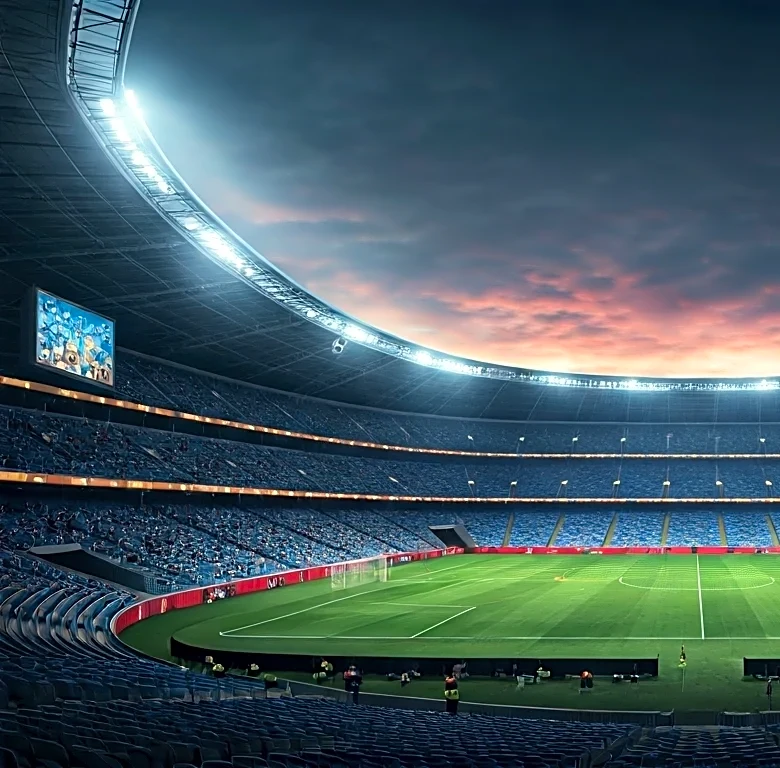
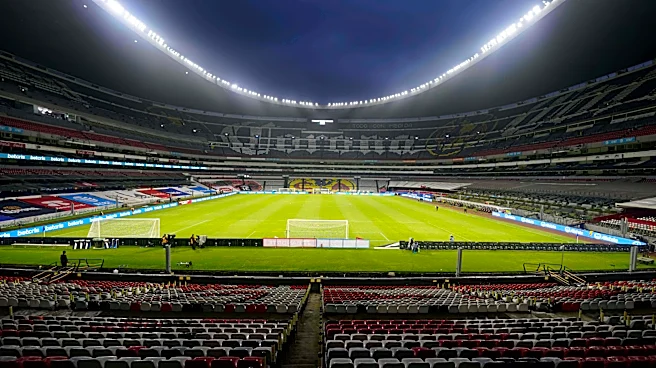
There is a different reality, one that American fans have only tasted briefly. A World Cup in the Americas—like Brazil in 2014—completely changes the dynamic. Suddenly, marquee matches aren't competing with your morning alarm; they *are* your evening entertainment. The 2014 tournament offered a glimpse of soccer as a prime-time American sport, with kickoffs at 4 p.m. and 7 p.m. ET that aligned perfectly with happy hour and dinner. This is the promise of the 2026 World Cup, to be co-hosted by the U.S., Canada, and Mexico. For the first time in a generation, the entire country, from Maine to California, will share a unified, convenient viewing schedule. It will be a national, collective experience without the need for military-grade spoiler avoidance or caffeine-fueled all-nighters.