
The Foundation: Today’s Superstars
First, let's be clear: CMA Fest is not a throwback festival. Its commercial gravity is anchored firmly in the present. The nightly lineups at Nissan Stadium are a who's who of contemporary country radio
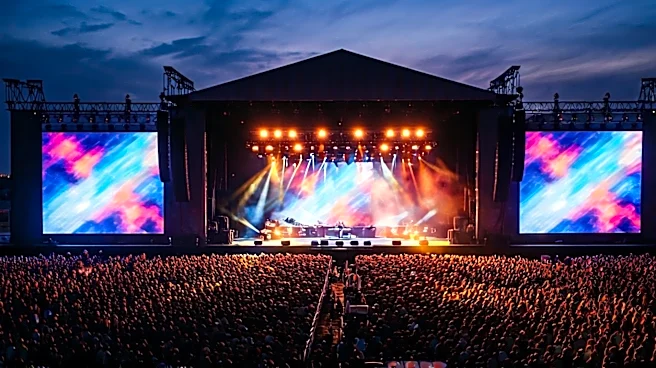
and streaming giants. Names like Luke Combs, Jelly Roll, Lainey Wilson, and Morgan Wallen are the engines of the event. They sell the four-day passes, fill the 70,000-seat stadium, and generate the deafening singalongs that define the modern festival experience. The programming prioritizes the artists currently shaping the genre's sound and commercial peak. Without this core of contemporary star power, the festival would lose its relevance and its primary audience. This focus on the new and the now ensures that CMA Fest remains the premiere showcase for what country music is today, not just what it was.
The Irresistible Pull of '90s Country
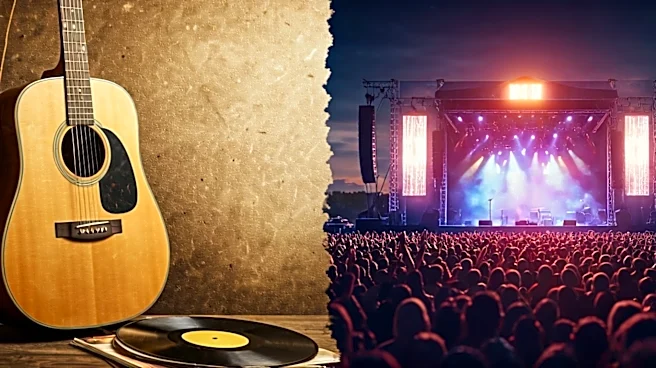
While current stars pack the stadium, a powerful undercurrent of nostalgia flows through the festival's veins. The '90s are having a major moment across pop culture, and country music is no exception. This was the era of Garth, Shania, Brooks & Dunn, and Reba—artists who became global icons and defined a generation. CMA Fest organizers are keenly aware that a significant portion of their audience grew up on this music. To ignore it would be to alienate a loyal, paying demographic. Instead of making it the main event, they weave it into the festival's fabric with surgical precision. This isn't about reviving careers; it's about honoring a golden era that still resonates deeply with millions of fans. It’s a nod to the past that enriches the present.
The Secret Sauce: Side Stages and Surprises
So how do you serve two masters? The answer lies in the festival’s sprawling, multi-stage layout. While the stadium stage is reserved for today's titans, the dozens of smaller, often free, stages scattered across Nashville become havens for nostalgia. Stages like the Chevy Riverfront or the Dr Pepper Amp Stage feature incredible lineups of beloved artists from the '90s and 2000s. In recent years, fans could catch full sets from acts like Jo Dee Messina, Tracy Lawrence, Sara Evans, and Mark Wills. The festival also carves out special moments on the main stage, like Clint Black performing a set to celebrate the 35th anniversary of his iconic album 'Killin' Time.' The other key ingredient is the surprise guest appearance. It’s a classic CMA Fest trope: a current headliner like Ashley McBryde brings out a legend like Wynonna Judd for a duet, creating a viral moment that bridges generations and honors the genre’s lineage. This gives fans their nostalgic hit without derailing the contemporary focus.
A Blueprint for Multi-Generational Appeal
This balancing act is a brilliant piece of event strategy. It allows a family of fans—a teenager who loves Lainey Wilson, her mom who grew up on Trisha Yearwood, and her grandma who remembers Johnny Cash—to all find something to love. By programming for multiple demographics simultaneously, CMA Fest expands its appeal far beyond a single listener profile. It’s a model that acknowledges a fundamental truth about country music: its fans are uniquely invested in the genre's history. Unlike pop or hip-hop, where the past can feel distant, country music treats its legends as active members of the family. CMA Fest operationalizes this sentiment, turning it into a four-day celebration that feels both current and timeless.