


The Daytime Job: The Professional Polish
Long before the flashbulbs of a premiere, a star’s day at a film festival like TIFF is a marathon of press. Think back-to-back interviews, Q&A panels, and industry luncheons. The sartorial goal here isn't drama; it's communication. A stylist's first job
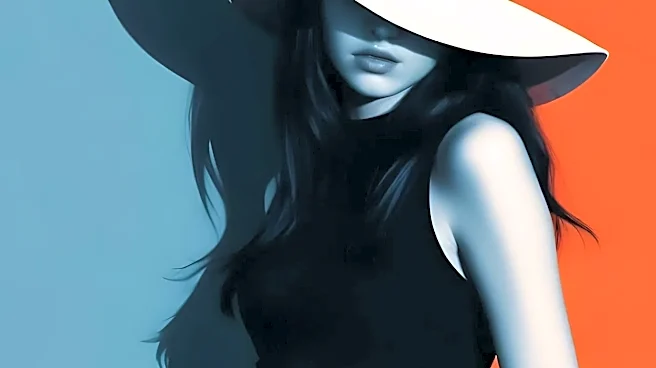
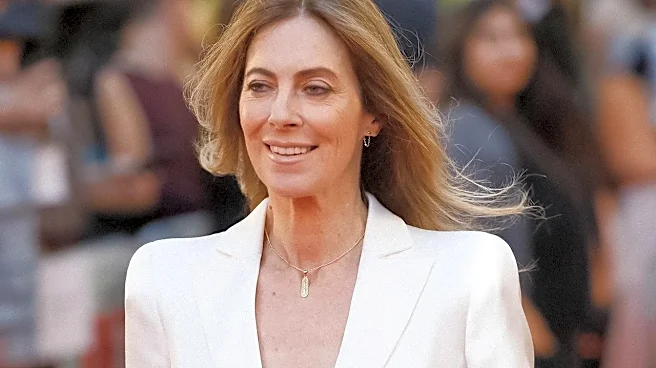
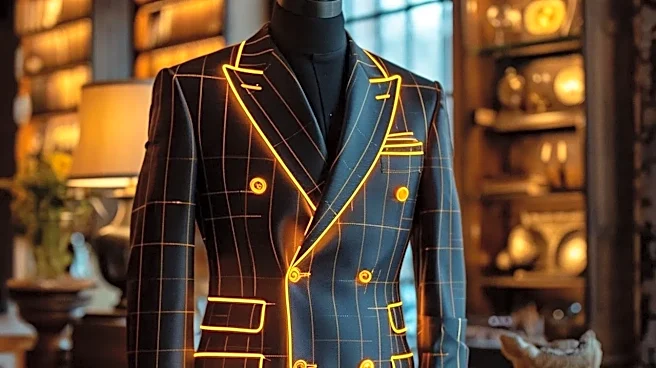
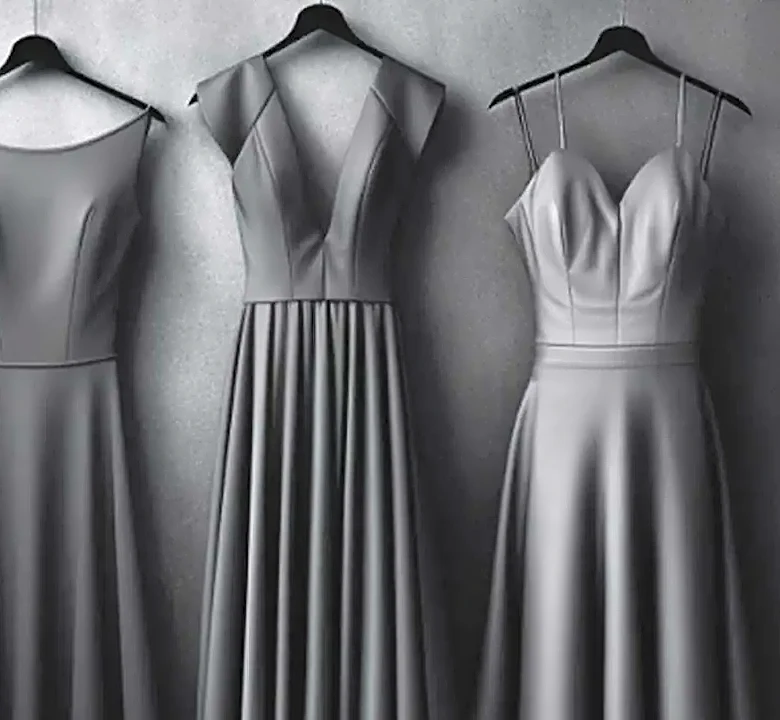
is to craft a look that's professional, polished, and above all, camera-friendly for a long schedule of appearances. The key is what experts call precision tailoring. This means sharp blazers, perfectly fitted trousers, and sophisticated dresses that look impeccable on screen without distracting from the real purpose: promoting the film. The considerations are intensely practical. Is the fabric prone to wrinkling after hours of sitting? How does a color or pattern read on a monitor versus in person? A stylist has to think like a cinematographer, choosing textures and silhouettes that hold up under harsh lighting and convey a sense of put-together authority.
The Evening Spectacle: Crafting a 'Moment'
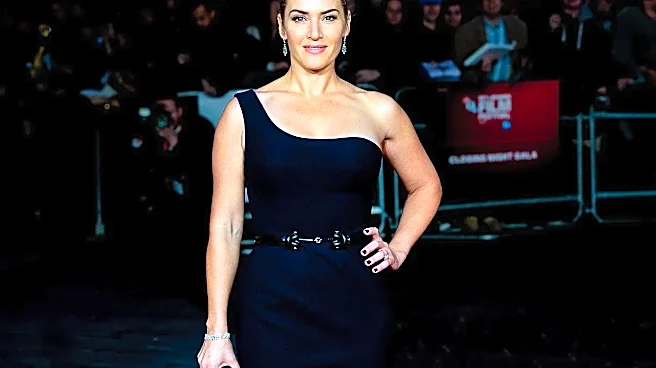
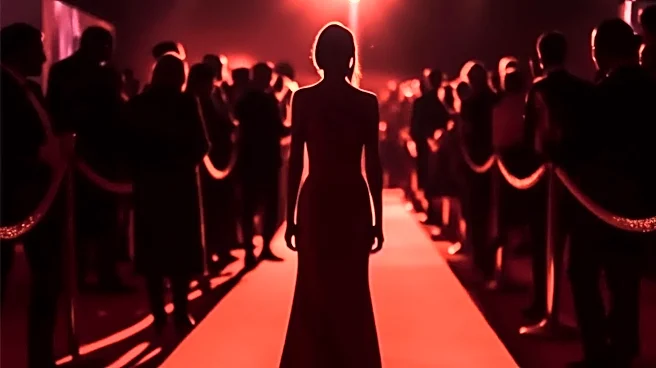
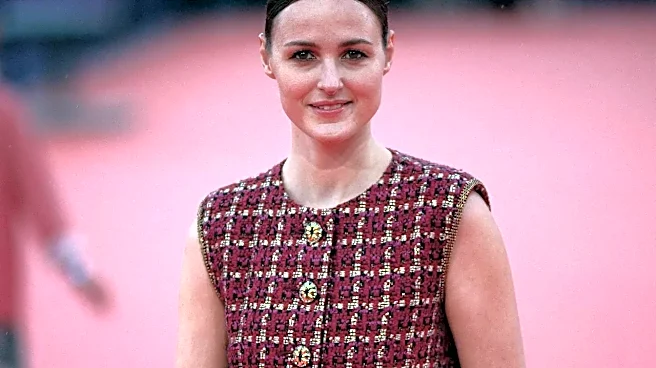
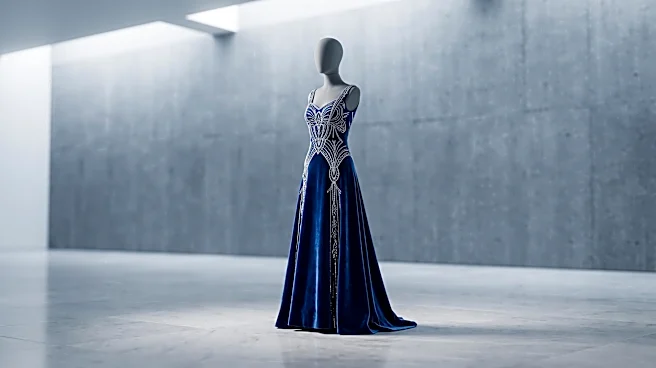
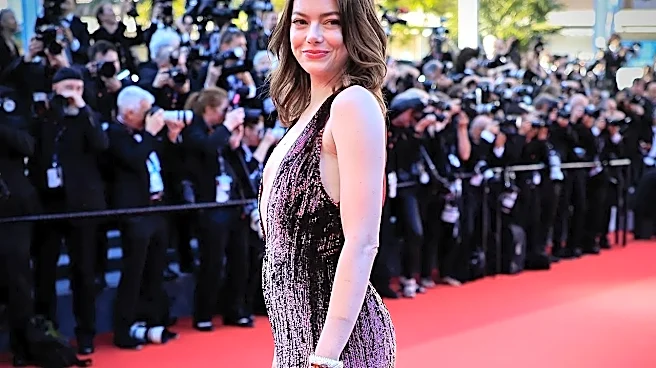
When night falls over Toronto, the brief changes entirely. The premiere red carpet is not just an entryway; it’s a global stage. Here, the stylist’s role shifts from brand manager to storyteller. The goal is to create a singular, memorable fashion “moment” that will land their client on best-dressed lists around the world. This process involves deep collaboration with fashion houses, often securing a custom or couture gown months in advance. The choice of dress—from a dramatic Dior gown like Cynthia Erivo's to a sleek Celine number on Naomi Watts—is a calculated statement. It has to reflect the actor's personality, the tone of the film, and stand out in a sea of other A-listers. Everything from the silhouette's impact from a distance to the way it moves is scrutinized. A stylist might even have a backup dress ready, just in case the first choice doesn't feel right on the day.
The Art of the Pivot: Strategy and Logistics
Pivoting from a daytime junket to an evening gala is a masterclass in strategy and logistics. It’s far more than a simple wardrobe change. A top stylist tells a coherent story throughout the festival, ensuring the daytime and evening looks feel connected to the celebrity’s overall brand, even if they are aesthetically different. This requires meticulous planning. Stylists and their teams coordinate with publicists and event organizers, managing a complex schedule of fittings, transportation, and quick changes, often in the tight confines of a hotel suite. The transition involves a full reset: hair, makeup, and jewelry are all recalibrated for the evening's drama. This pivot is where a stylist truly earns their fee—acting as a creative director, logistical wizard, and personal confidant to ensure their client steps onto the red carpet looking flawless and feeling confident.
Putting It All Together at TIFF 2026
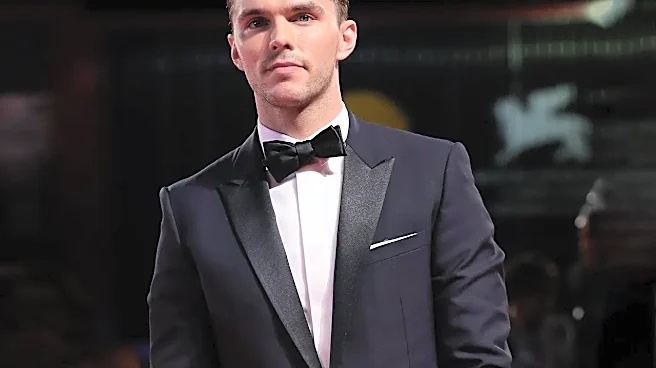
This year’s festival has been a perfect showcase of this dual-wardrobe strategy. Stars like Sebastian Stan have been seen moving from a polished, double-breasted suit for daytime events to more fashion-forward looks for evening premieres. Meanwhile, a striking suit on Megan Rapinoe for her documentary premiere showed how tailoring can also create a powerful red carpet moment, blurring the lines between day and night. A-listers such as Penélope Cruz, Helen Mirren, and Gemma Chan have navigated a packed schedule of appearances, each requiring a distinct but cohesive look. Behind each of these appearances is a stylist who understood the assignment, proving that festival fashion is a 24/7 job where the quietest daytime outfit can be just as important as the loudest evening gown.