

Before the Feet: The Hand-Hugger Era
For the majority of soccer’s history, a goalkeeper’s job description was simple: use your hands, keep the ball out of the net, and stay on your line. Their feet were primarily for kicking the ball as far away as possible or, in a pinch, making a desperate save. The game plan was straightforward. When under pressure, a defender would simply turn and pass the ball safely back to their keeper, who could scoop it up with their hands, kill the pace of the attack, and reset. This led to a lot of time-wasting and defensive, unadventurous play, especially in the late stages of games. The 1990 World Cup, in particular, was criticized for its negative, back-pass-heavy tactics, prompting the sport’s governing bodies to seek a radical solution.
1992: The Rule That Changed Everything
In 1992,
FIFA, soccer's global governing body, introduced a game-changing new law: the back-pass rule. It stated that if a defender deliberately kicks the ball to their own goalkeeper, the keeper is no longer allowed to handle it with their hands. They must play it with their feet, chest, or head—just like any other player on the field. The intent was to eliminate the easy, time-wasting out ball and force teams to play their way out of pressure. At first, chaos reigned. Goalkeepers, long trained to use only their hands, suddenly looked clumsy and panicked. Sliced clearances and panicked hoofs into the stands became common. But smart coaches saw not a problem, but an opportunity. If a goalkeeper *had* to use their feet, what if they got really, really good at it?
The Rise of the 'Sweeper-Keeper'
The back-pass rule planted a seed that visionary coaches like Johan Cruyff and, later, Pep Guardiola, cultivated into a full-blown tactical revolution. They championed a possession-based style of play where every player, including the goalkeeper, had to be comfortable on the ball. The goalkeeper was no longer just the last line of defense but the first point of attack. This new role became known as the "sweeper-keeper." This player doesn't just stay in their six-yard box. They position themselves higher up the pitch, ready to “sweep up” long balls played over their defensive line. More importantly, when their team has the ball, they function as an 11th outfield player, providing a safe option to pass back to and relaunching attacks with precise, intelligent distribution rather than aimless long kicks.
The Modern Ball-Playing Master
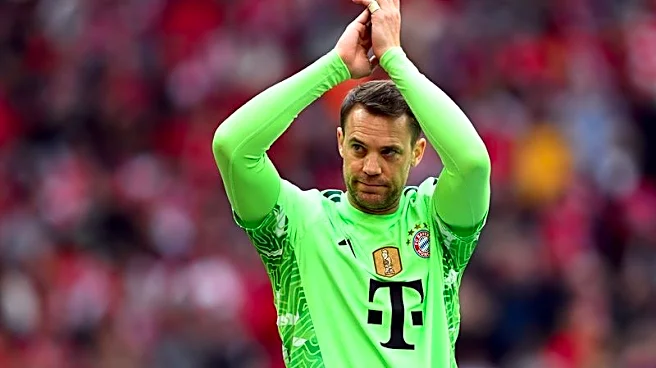
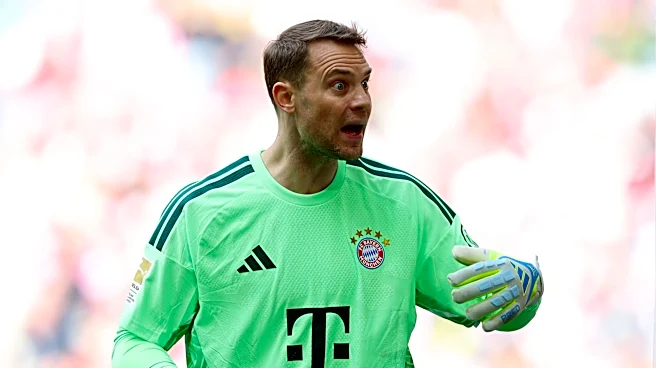
Today, having a goalkeeper who is elite with their feet isn't a luxury; it’s a requirement at the highest levels of the sport. Look at the top teams in the world. Manchester City’s Ederson is renowned for his incredible passing range, capable of hitting a dime from 70 yards away to start a counter-attack. Liverpool’s Alisson Becker is a master of composure, calmly dribbling around onrushing strikers before picking out a teammate. Germany's Manuel Neuer is often cited as the archetype of the modern sweeper-keeper, famous for his aggressive starting positions far outside his own penalty area. These players aren't just saving goals; they are fundamental to how their teams control the game, build from the back, and break down opponents. Their footwork is as crucial a weapon as their hands.