




The Birth of a Blueprint
It didn't happen overnight. In the early days of the Marvel Cinematic Universe, the studio’s Comic-Con panels were exciting but followed a familiar playbook: show a trailer, bring out a star. But as the universe expanded, so did the ambition. Feige, a producer
with a deep love for the source material, understood something crucial: the most passionate fans weren't just consumers, they were evangelists. By treating them as insiders, he could turn a 6,500-seat auditorium into a global megaphone. The strategy began to crystallize with the concept of "Phases." Instead of just promoting the next film, Feige started laying out a multi-year roadmap. This transformed individual movie announcements into chapters of a larger, must-see saga, first with the 'Infinity Saga' and now with the 'Multiverse Saga'. This gave fans a narrative to invest in not just for one film, but for the next three, five, or even ten.
The Art of the Grand Reveal
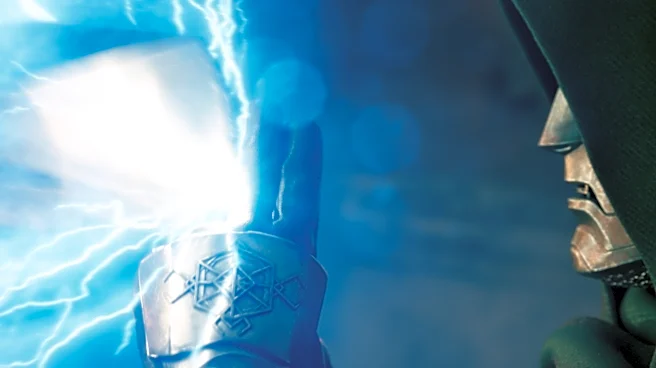
The Comic-Con panel became Marvel's primary stage for a specific set of theatrical maneuvers. There was the full-slate reveal, where Feige would stand before a timeline of upcoming films and series, generating years of media coverage in a single hour. Then came the surprise casting. Feige became a master of the shocking entrance, from bringing out the entire 'Avengers' cast for the first time, to the stunning 2024 reveal of Robert Downey Jr. returning not as Iron Man, but as Doctor Doom. And sometimes, the stagecraft was pure, immersive theater. In 2013, Tom Hiddleston appeared in full Loki costume, silencing the entire hall and delivering a monologue that became instantly legendary. These weren't just announcements; they were meticulously crafted moments designed to go viral and dominate the cultural conversation for days.
More Than a Hype Machine
On the surface, the goal is hype. But the real genius of Feige’s strategy is that it’s also a powerful tool for brand management and narrative reinforcement. These panels are not just about what’s next; they are about reinforcing the idea of a cohesive, interconnected universe. While critics of later phases have pointed to a perceived lack of connectivity, the Hall H presentation acts as the ultimate rebuttal, showing how disparate threads will eventually weave together. The event serves as a recurring, high-profile promise to the audience: there is a plan. This fosters a level of trust and long-term investment that few brands, inside or outside of Hollywood, ever achieve. It turns a marketing presentation into an act of community building, reaffirming to fans that they are part of a continuing story.
The Feige Factor
At the center of it all is Kevin Feige. He doesn't present like a typical studio executive reading from a teleprompter. He presents like the ultimate fan, who just happens to be in charge. Decked out in his now-trademark baseball cap, he speaks with genuine enthusiasm, guiding the audience through the future of the stories they love. This approachable, fan-first persona is the key that unlocks the entire strategy. It makes the marketing feel less like a corporate exercise and more like a shared celebration. He’s not just selling movies; he's inviting the audience into the creative process, making them feel like they are getting a peek behind the curtain from one of their own. His presence turns a business presentation into a communal experience, solidifying his role as the chief architect and trusted narrator of the MCU.