

What Exactly Is the Textured Crop?
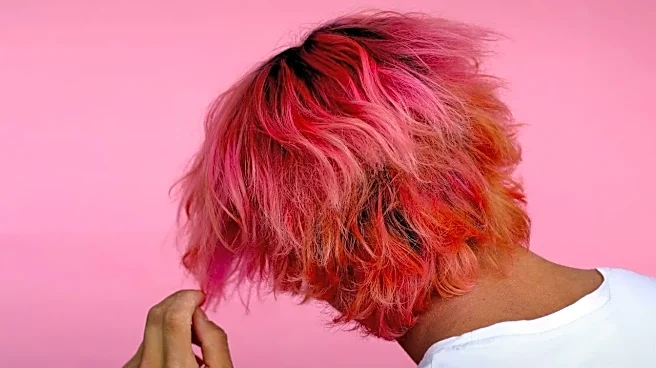
First, let's define our terms. A textured crop is a short haircut defined by layered, choppy texture on top, with the sides and back kept shorter through tapering or a fade. Unlike the sharp, uniform lines of a classic pixie or the blunt fringe of a traditional
French crop, the textured crop is all about creating natural movement and a lived-in feel. The goal isn't perfect structure; it's dimension. It's a cut designed to be styled with your fingers, not meticulously combed into place. This adaptability is its superpower, making it suitable for a wide range of hair types, from straight to wavy and thick.
The Cultural Shift Toward 'Undone' Hair
The rise of the textured crop didn’t happen in a vacuum. It’s a direct reflection of a broader cultural shift away from rigid, high-maintenance beauty standards and toward authenticity and ease. For decades, the ideal was often smooth, controlled hair. The natural hair movement, which saw women of color in particular rejecting chemical relaxers and embracing their hair's inherent texture, was a pivotal force. This celebration of authenticity rippled outward, sparking a wider conversation about beauty standards. The textured crop became a symbol of this new mindset: a hairstyle that works with your natural texture, not against it, saving time and reducing reliance on damaging heat styling.
How It Reshaped the Product Aisle
When hairstyles change, the industry follows. The dominance of smooth, straight styles once meant that shelves were packed with flat irons, straightening balms, and heavy-hold hairsprays. The demand for textured, piecey looks created a massive market opening. Suddenly, the hero products were matte clays, texturizing sea salt sprays, styling pastes, and volumizing dusts. Brands scrambled to formulate products that offered flexible hold, enhanced natural waves, and provided a gritty, separated finish rather than a stiff, polished one. The global market for natural hair care products is now a multi-billion dollar industry, a testament to this fundamental shift in consumer desire.
The New Demands on Stylists
Clients walking into a salon asking for a textured crop required a different skill set from their stylists. Precision cutting, while still essential, was no longer enough. The new emphasis was on techniques that create movement and remove bulk from the inside of the haircut, like point-cutting, slide-cutting, and razor work. For clients with curly and coily hair, the importance of dry-cutting—shaping the hair curl by curl in its natural state—became paramount to avoid the dreaded surprise of shrinkage. Stylists who mastered the art of creating deliberate, 'effortless' texture became highly sought after, transforming the technical artistry required behind the chair.