






The Defining Fifties Look
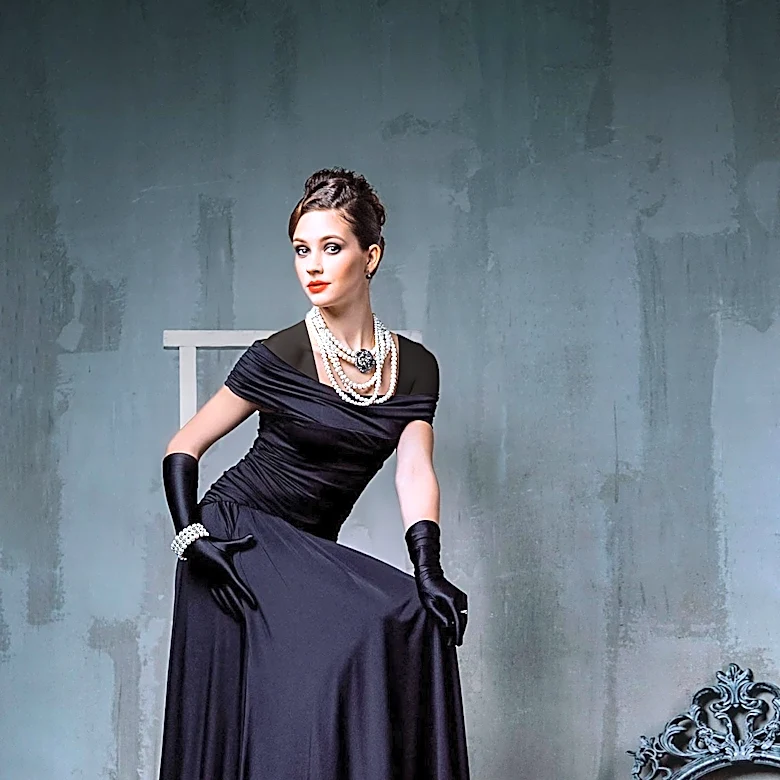
The most famous silhouette of the 1950s was the hourglass. It featured a fitted bodice with a pointed bust, sloped shoulders, a dramatically cinched-in waist, and a very full skirt that fell to the mid-calf. This look was everywhere, from high-end evening
gowns to the everyday shirtwaist dresses and circular poodle skirts worn by teenagers. It was a celebration of an idealized femininity, achieved through structured undergarments like girdles and crinoline petticoats that created its voluminous shape. This was a stark departure from the fashion of the preceding decade, which was defined by the boxy, utilitarian, and fabric-rationed styles of World War II.
A Flashback to a Bygone Century
That cinched waist and voluminous skirt had a clear historical precedent: the Victorian era of the mid-19th century. Victorian fashion, particularly around the 1850s, also emphasized an exaggerated hourglass shape with the help of tight corsets and wide crinolines—hooped petticoats that held skirts out in a dramatic bell shape. While the materials and construction methods were different a century later, the fundamental outline was strikingly similar. The 1950s revival wasn't a historical accident; it was a deliberate choice to evoke an older, highly feminized ideal of beauty after years of wartime austerity.
The Spark: Dior's Post-War Revolution
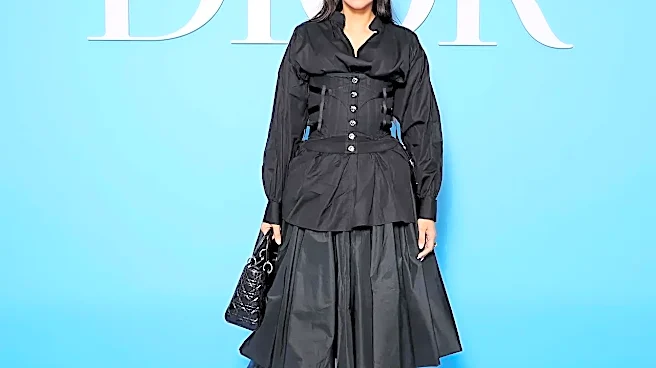
The direct catalyst for this retro-revival was French couturier Christian Dior. In February 1947, he unveiled his debut collection, which was immediately dubbed the “New Look” by Harper's Bazaar editor Carmel Snow. Dior’s collection was a radical rejection of wartime scarcity. His signature “Bar” suit, with its soft shoulders, tiny waist, padded hips, and extravagant, full skirt, used yards of fabric and celebrated a return to opulence and structured femininity. Dior himself was inspired by older styles, combining elements from the Belle Époque, Edwardian corsetry, and Victorian necklines. The New Look was an immediate international sensation, setting the definitive template for fashion that would dominate the next decade.
Why the Past Felt So Modern
So why did this throwback silhouette resonate so deeply, especially with American teens? The reasons are rooted in the unique culture of the post-war era. After the trauma and rationing of WWII, there was a collective desire for optimism, prosperity, and a return to traditional gender roles. The ultra-feminine New Look silhouette became a symbol of peace and affluence. Furthermore, the 1950s saw the birth of the American “teenager” as a distinct consumer group. Thanks to post-war economic growth, teens had allowances and part-time jobs, giving them unprecedented spending power. Marketers began targeting them directly with ready-to-wear versions of Dior’s high-fashion look. For a generation coming of age in the suburbs, this nostalgic silhouette didn't feel old-fashioned; it felt new, exciting, and distinctly American—a way to express their own identity, separate from the hardships their parents had endured.