
The Automobile's Accidental Influence
The dawn of the 20th century brought with it the noisy, thrilling, and messy invention of the automobile. Early cars were open to the elements, turning any drive into a battle against dust, mud, and rain. This new problem demanded a new solution: the motoring
coat. For men and women alike, this meant long, loose-fitting garments designed for one purpose: protection. Lightweight linen or cotton 'dusters' became essential for summer drives, keeping clouds of road dust off one's proper clothes. In foul weather, fabrics like rubberized mohair, oilskin, or heavy tweed were used. These coats were defined by practicality—they had large pockets, high collars, and a durable, no-fuss construction. This function-first design was a radical departure from decorative indoor clothing and planted the seed for one of the most enduring outerwear staples: the trench coat, which would evolve from these early motoring and military coats into a civilian classic.
The Walking Suit Steps Out
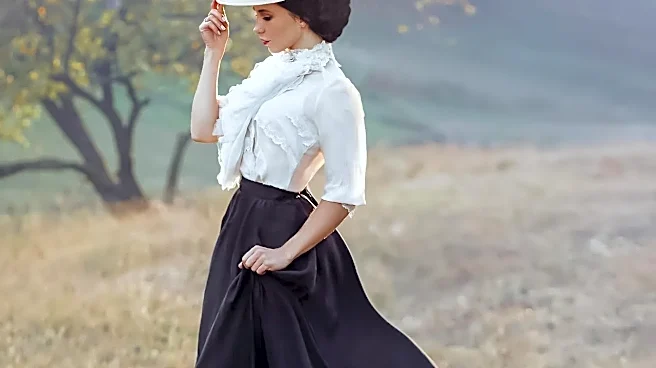
While men had long enjoyed the utility of a tailored suit, the Edwardian era saw women adopt their own version in a powerful way. The 'walking suit' or 'tailor-made' was a game-changer. Consisting of a matching jacket and a shorter (often ankle-length) skirt, these outfits were made from sturdy fabrics like wool serge or tweed. For the first time, a significant number of women had an outfit that prioritized mobility and independence over restrictive formality. It was the perfect attire for a woman navigating the city, engaging in new sporting activities, or joining the workforce. This seemingly simple ensemble was revolutionary, establishing the concept of women's suiting and separates. It moved women's fashion away from the singular 'dress' and towards a more versatile wardrobe, a fundamental concept that defines how women dress to this day.
The Lasting Line of the Overcoat
For the Edwardian gentleman, the overcoat wasn't just for warmth; it was a statement of class and decorum. Two key styles from this period cemented a silhouette that remains a benchmark for formal menswear: the Chesterfield and the Ulster. The Chesterfield, often featuring a distinctive velvet collar, was a sleek, single-breasted coat designed to be worn over a suit in town. It established the template for the classic, tailored topcoat. The Ulster was its more rugged country cousin. A long, often double-breasted coat made of heavy-duty tweed, it was built for travel and terrible weather, sometimes featuring a protective cape. While the capes have faded, the core design of a long, robust, double-breasted wool coat is a direct descendant of the Ulster. Together, these coats created the archetypes of formal and informal overcoats that have been reinterpreted every decade since.
Function Becomes Fashion
Ultimately, the quiet influence of Edwardian outerwear was its shift in philosophy. While the era is remembered for its opulence, its outerwear was driven by the needs of a changing world. Technology like the motorcar, new leisure activities like walking and sport, and the evolving role of women all demanded clothing that performed. Features that began as purely functional—water-resistant fabrics, roomy pockets, belted waists, and designs that allowed for easy movement—slowly became stylistic. This embrace of practicality laid the groundwork for 20th-century fashion. It marked the beginning of the end for clothing that merely looked beautiful, heralding an age where the most enduring styles are the ones that actually work for our lives.