







Forget the Bracket, Master the Group Stage Aftermath
March Madness is pure, beautiful chaos from the jump: 68 teams, single-elimination. Lose and you go home. The World Cup, which has just finished its group stage, offers a bit of a safety net that fundamentally changes your travel plans. Teams play three
games in a regional cluster, and the top two from each group (plus the best third-place teams) advance. This means a single upset doesn't necessarily end a team's run. For the traveling fan, this created pods of opportunity in cities like Los Angeles, Philadelphia, and Mexico City. Now, as we enter the Round of 32, it reverts to a familiar win-or-go-home format. The key difference is that the path to the final in New Jersey on July 19 is less predictable; you couldn't fill out a perfect bracket weeks in advance.
The Pods Are Now a Continent
In March, you might drive between Providence and Boston for a weekend of games. For the World Cup, the “regional pods” span thousands of miles and four time zones. The tournament is spread across 16 cities in the U.S., Mexico, and Canada. Flying from a match in Seattle to one in Miami is a six-hour flight, not a 90-minute drive. Even the so-called clusters require serious travel; the East Coast hub includes Boston, New York/New Jersey, and Philadelphia, which are manageable by train, but also Toronto and Atlanta, which are not. As the tournament progresses, the distances grow. All quarter-final matches and beyond are in the United States, pulling the entire global spectacle into American stadiums. A fan following their team could start in Guadalajara, play a knockout game in Houston, and hope for a quarter-final in Los Angeles. It’s a logistical puzzle on a scale March Madness fans have never seen.
Your College Colors vs. The World’s Flags
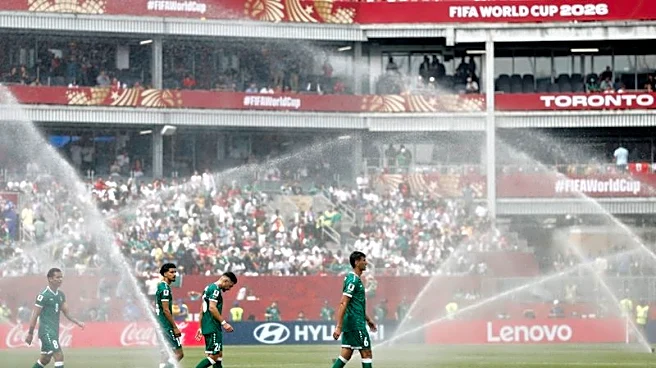
March Madness loyalty is intense, built around alma maters and regional pride. You’ll see Duke blue, Kansas red, and Kentucky blue share an arena, but it’s a largely domestic affair. The World Cup is a vibrant, chaotic collision of global cultures. The streets of host cities transform into a multilingual sea of flags, chants, and songs. Fans from dozens of countries, many of whom have saved for years for this trip, create an atmosphere that is less about school rivalry and more about national identity. Expect to see supporters from Germany, Brazil, Japan, and Senegal taking over entire city blocks. Instead of a hostile alumni bar, you’ll find sprawling, free-to-the-public Fan Festivals in places like Houston’s East Downtown and L.A.'s Memorial Coliseum, where thousands gather to watch games on giant screens.
The Rhythm of the Game Day Experience
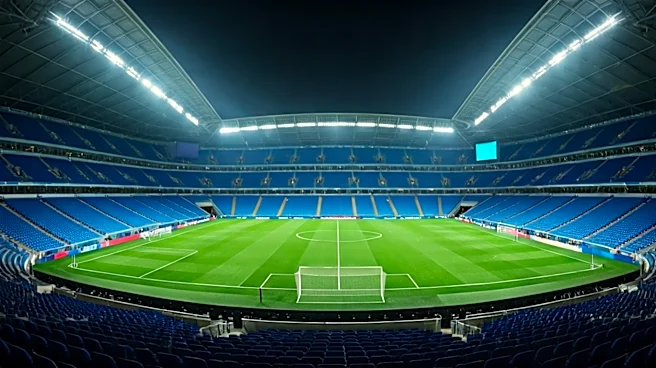
A March Madness game day is straightforward: get to the arena, find your seat, watch basketball. The World Cup experience is an all-day affair. The match itself is the main event, but the hours before and after are just as important. FIFA Fan Festivals offer free concerts, food from around the world, and family-friendly activities, turning each match day into a city-wide party. Transportation is a major factor; unlike a compact downtown arena, World Cup stadiums like MetLife in New Jersey are often far from city centers, requiring careful planning with trains, shuttles, or pre-booked cars. Surge pricing for rideshares is notoriously high. Some cities, however, are built for it. Vancouver's BC Place and Seattle's Lumen Field are known for their excellent public transit access, making logistics much smoother for visiting fans.
Your Survival Playbook
First, embrace the chaos. Plans will change as teams are eliminated. Second, if you’re traveling between cities, anchor your trip in one hub and take short flights or train rides from there. Cities like Dallas, Atlanta, and New York are great bases. Third, go to a Fan Fest. It’s the best way to soak in the global atmosphere without a ticket. Host cities from San Francisco to New York have them. Finally, talk to people. Ask fans about their home country, their team, and their journey. While March Madness is a frantic sprint played every year, the World Cup is a global pilgrimage that happens only once every four years. The shared passion is the whole point.