




The Master of Ceremonies
By the 2000s, Mike Nichols had nothing left to prove. He’d already revolutionized comedy with Elaine May, redefined American cinema with The Graduate, and conquered Broadway multiple times. His late-career works—the monumental HBO adaptation of Angels
in America (2003), the acid-laced chamber piece Closer (2004), and the slick political satire Charlie Wilson's War (2007)—weren’t about chasing relevance. They were a victory lap. In them, Nichols wasn’t just a director; he was a master of ceremonies, his presence felt in every razor-sharp line delivery and perfectly timed cut. Some critics argued Nichols lacked a consistent authorial stamp, that there was no singular “Mike Nichols picture.” But his final films refute that claim. The style was the man: urbane, brutally intelligent, and fascinated by the tragicomedy of human relationships. He was performing his own sensibility.
Closer: The Unflinching Confession
Closer is perhaps the most potent piece of evidence. The film, adapted from Patrick Marber’s savage play, is a claustrophobic ballet of betrayal among four lovers. There are no heroes, only casualties. Nichols directs not with the visual flamboyance of his youth, but with a terrifying precision. The camera is an instrument of interrogation, pinning the characters down as they dissect each other with surgical cruelty. It feels less like watching a story unfold and more like eavesdropping on a confession. This is the work of a director in his 70s, an artist who has seen it all and has no interest in comforting illusions about love or desire. The performance here is one of brutal honesty, with Nichols as the unflinching inquisitor who refuses to look away from the ugly, fascinating truth of his subjects.
Charlie Wilson’s War: The Effortless Virtuoso
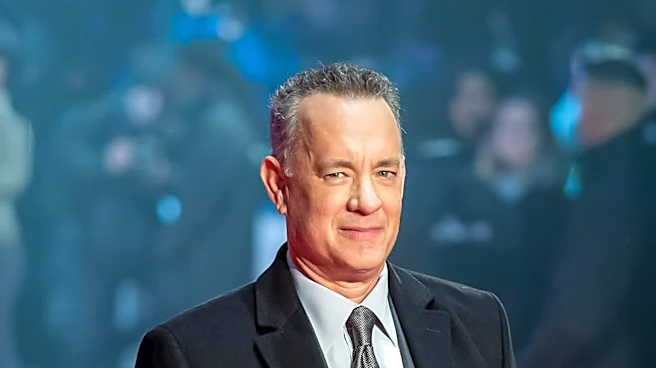
If Closer was a scalpel, Charlie Wilson's War was a champagne cocktail laced with cyanide. On its surface, the film is a breezy, star-powered romp through Cold War geopolitics, carried by the charm of Tom Hanks and Julia Roberts. Aaron Sorkin’s famously witty dialogue pops, and the story of a congressman funding the mujahideen against the Soviets is told with an almost frictionless glide. But that’s the performance. Nichols, the veteran showman, delivers a perfectly calibrated piece of entertainment that is simultaneously a damning critique of American foreign policy. The film’s elegance and wit are a Trojan horse for its deeply cynical conclusion. This was Nichols performing his legendary mastery—the effortless confidence of a director who could make even the most complex and morally ambiguous history feel like a dazzling spectacle, all while winking at the audience about the rot underneath.
An Echo of a Lifetime
These final works bring Nichols’s career full circle. His iconic partnership with Elaine May was built on dissecting the failures of communication, the absurd gaps between what people say and what they mean. His breakthrough, The Graduate, captured a generation's alienation. His late films revisit these themes with the wisdom and weariness of age. From the cosmic and political hypocrisies of Angels in America to the intimate deceptions in Closer, he was still fascinated by the same fundamental human follies. In the end, the performance wasn't in a single film, but across them. It was the sustained act of a brilliant, world-weary artist using the camera to deliver his final, unvarnished monologue on politics, love, and the beautiful, messy farce of it all.