





First, Let's Define 'Tribeca'
When we say an outfit feels “Tribeca,” we’re not just talking about a geographical location in Lower Manhattan. We’re summoning an entire aesthetic universe. It’s the quiet confidence of Carolyn Bessette-Kennedy in a simple black dress, the artful nonchalance
of the Olsen twins, or the intellectual polish of Sofia Coppola. This look is defined by what it’s not: it’s not flashy, it’s not trend-obsessed, and it’s never, ever trying too hard. The Tribeca vibe is about a uniform of perfectly cut, high-quality basics—a great coat, tailored trousers, a sublime cashmere sweater, and, yes, a dress that feels both timeless and modern. The color palette is muted: black, navy, camel, ivory. The goal is to look put-together without appearing to have spent hours on the effort. It’s a style that suggests you have more important things on your mind than your outfit, yet your outfit is impeccable. It’s this very tension that makes it so compelling.
The Studious Charm of the Loafer
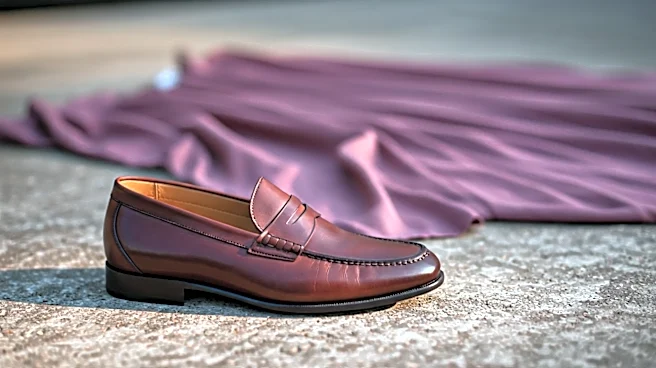
Enter the loafer. Originally a Norwegian slip-on, it was perfected as an American menswear staple—the go-to shoe for Ivy League campuses in the mid-20th century. It’s got a history of bookish, collegiate charm. When a woman wears a loafer, especially a classic penny or a sleek horsebit style, she’s borrowing a piece of that history. It’s a subtle act of subversion. The shoe is sturdy, practical, and grounded. It says, “I walk places. I have a point of view. I am not here to be merely decorative.” Pairing this historically masculine, intellectual shoe with something as archetypally feminine as a dress creates an intriguing contrast. The loafer tempers the sweetness of a floral midi or the delicacy of a silk slip. It adds a touch of androgyny and a dose of reality. It’s the sartorial equivalent of reading a dense novel in a pretty café—a blend of aesthetics and substance.
What the Sandal Communicates
The sandal, in contrast, is often the “correct” and therefore less interesting choice. A heeled sandal pushes the dress into cocktail or event territory. A flat, strappy sandal makes it feel summery, casual, and easy—perfect for a vacation or a weekend brunch. It’s a good choice, a logical one, but it’s also predictable. The sandal completes the thought that the dress started, creating a harmonious but often one-dimensional picture of femininity. There’s nothing wrong with a sandal, of course. It’s a beautiful and essential part of any wardrobe. But in the specific context of achieving that Tribeca-inspired, thoughtfully curated look, the sandal can feel too literal. It doesn’t provide the friction, the unexpected twist, that makes an outfit memorable. It simply agrees with the dress, rather than having a conversation with it.
It's All About the 'Wrong Shoe'
This entire concept is a perfect illustration of what stylists sometimes call the “wrong shoe theory.” The idea is that the most stylish outfits are often completed with the least expected footwear. It’s about deliberately avoiding the obvious match to create a more dynamic, personalized look. Think of wearing Adidas sneakers with a formal skirt, or heavy-duty combat boots with a delicate prairie dress. The loafer-with-a-dress combination is a sophisticated, grown-up version of this principle. It’s not as jarring as a sneaker but provides the same function: it disrupts the expected narrative. The loafer grounds the dress, giving it an edge and an air of intellectual cool that feels both intentional and completely effortless. It’s the final piece of the puzzle that turns a nice outfit into a statement of personal style.