




A Remake Before the Original Is Even Cold
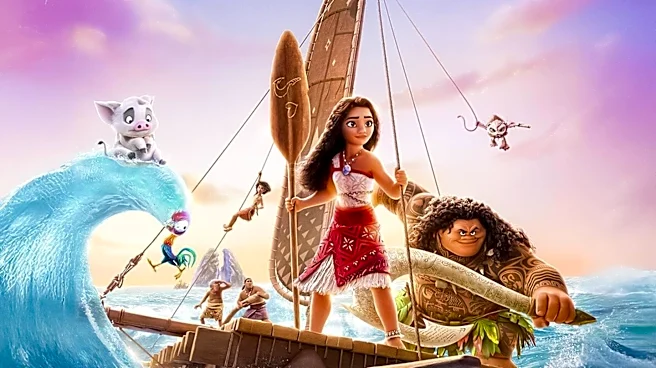
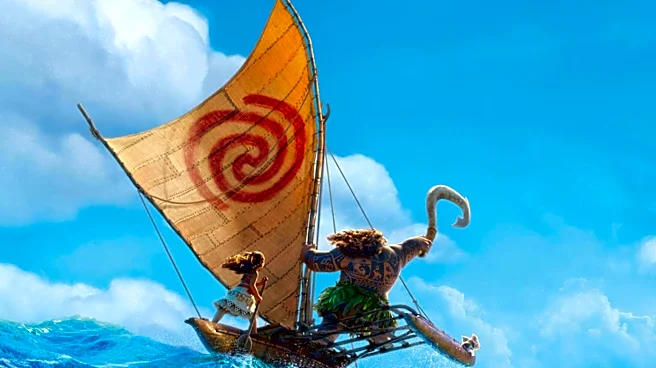
To understand the collective double-take, you only need to look at the calendar. The original animated Moana sailed into theaters in 2016, becoming an instant cultural touchstone. Its live-action counterpart is slated for a July 2026 release, a gap of
just under a decade. For many, this timeline feels jarringly short. Complicating matters further is the existence of Moana 2, an animated sequel that was released in late 2024. This rapid-fire succession of projects—an original, a sequel, and a remake all within ten years—has left many moviegoers with a distinct feeling of IP whiplash. The question echoing across social media isn't just whether the remake is good, but why it even exists so soon.
The Unwritten 20-Year Rule
For decades, Hollywood operated on an unspoken principle: the 20-year nostalgia cycle. The logic was simple. Studios would remake or reboot properties that were popular roughly two decades prior, targeting adults who were children during the original's run. These millennials and Gen Xers, now with disposable income and perhaps children of their own, were a prime audience for re-packaged memories. This strategy gave us live-action versions of animated classics like Beauty and the Beast (26-year gap) and The Lion King (25-year gap). The time lapse was crucial; it allowed the original film to marinate, to become a cherished artifact of a bygone era. A decade-long gap, as with Moana, doesn't feel like revisiting a classic; it feels like re-watching something that's still on your recently-viewed list.
Streaming Changed the Game
The primary culprit behind this accelerated timeline is the voracious appetite of streaming platforms. In the age of Disney+, intellectual property (IP) isn't just a film; it's a universe of content that needs constant feeding. The original Moana has been a monster hit on streaming, racking up billions of hours in viewership. For Disney, this data is a clear signal of immense, untapped value. Why wait 20 years to capitalize on that popularity when you can do it now? The goal is no longer just to sell movie tickets, but to keep subscribers engaged with a steady flow of familiar content. The live-action remake, therefore, serves as a high-profile marketing event for the entire Moana franchise, driving viewers back to the original film, the sequel, and any related content on the platform.
The Dwayne Johnson Factor
You can't discuss the Moana remake without talking about Dwayne "The Rock" Johnson. Reprising his role as the demigod Maui and serving as a producer, Johnson is a central force behind the project. He has publicly pushed back against the idea that it's "too soon," arguing that the story's themes translate well to live-action and that the project provides important opportunities for Polynesian representation. His deep personal connection to the story, which he ties to the legacy of his grandfather, is a powerful narrative. However, it's also a savvy business move. By producing the remake through his own company, Seven Bucks Productions, Johnson solidifies his ownership of a massively popular character and ensures his continued relevance within one of Disney's most valuable modern franchises.
A Sign of Creative Burnout?
While the business logic is sound, the early critical reception for the live-action Moana has been overwhelmingly negative, with many reviews calling it a soulless, creatively bankrupt, and visually ugly imitation of the original. Critics have pointed out that by sticking so closely to the animated film—often on a shot-for-shot basis—the remake fails to justify its own existence. This backlash taps into a broader fatigue with Hollywood's remake machine. Audiences are questioning whether this relentless churning of IP is a sign of an industry that's more interested in risk-averse financial plays than in fostering new ideas. The Moana debate, then, is a microcosm of a larger cultural conversation about what we value in entertainment: the comfort of the familiar or the thrill of the truly new.