




What Is Star Casting?
Star casting is exactly what it sounds like: building a movie around a major, bankable celebrity. In this model, the actor's name alone is the primary marketing tool, intended to guarantee an audience and attract financing. The film is often referred
to as a "star vehicle," designed specifically to showcase that performer's known talents and popular persona. Think of a classic Ryan Reynolds action-comedy or a sweeping drama led by Meryl Streep. You're not just buying a ticket for the story; you're buying a ticket to see them do what they do best. The studio system perfected this strategy, creating stars whose names above the title promised a certain kind of experience. The calculation is simple: the actor is the brand, and their built-in fanbase is the target demographic.
The Art of Character Casting
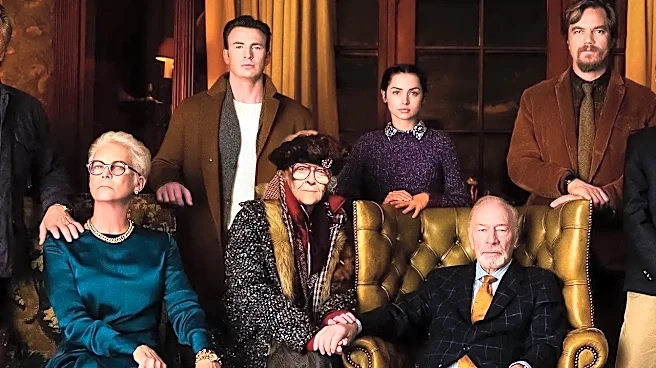
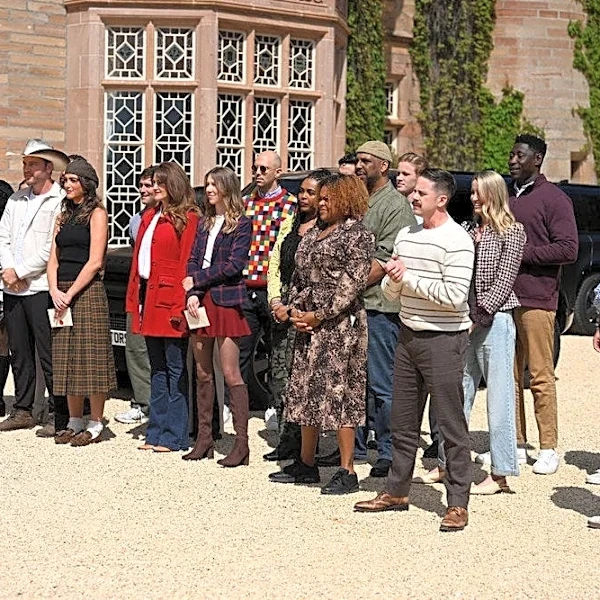
Character casting, on the other hand, prioritizes finding the perfect actor for the role, regardless of their box-office clout. The driving question for the casting director isn't "Who's the biggest star we can get?" but "Who embodies this character most authentically?" This approach often leads to the creation of rich, believable worlds populated by actors who disappear into their roles. It’s the foundation of the ensemble film, where a group of performers share narrative importance, creating a complex tapestry of interwoven stories. Films celebrated for their powerful ensembles, like crime capers or sprawling historical dramas, thrive on this principle. The story is the star, and every actor, no matter how small the part, serves to make that story more compelling and real.
The Star Vehicle Gamble
Leaning on a big name is a high-risk, high-reward proposition. A major star can get a movie made and ensure a strong opening weekend, turning an original idea into a global event. The upcoming fall movie season is packed with examples, like Ryan Reynolds in the Cold War comedy "Mayday" or Brad Pitt in the thriller "Heart of the Beast." These films are betting that the combined star power of their leads will draw viewers in. However, the strategy can backfire. If the movie itself is weak, not even the most beloved celebrity can save it from a critical drubbing or audience apathy. Furthermore, a star's persona can sometimes overshadow the character they're meant to be playing, creating a disconnect for viewers.
The Magic of the Ensemble
Character-first casting often yields films with incredible depth and re-watchability. Think of classics where even minor characters feel like fully realized people with lives happening off-screen. This fall, Robert Eggers' gothic horror film "Werwulf" and the media-world drama "Ink" are banking on this approach, featuring strong collections of actors over one single, dominant star. The goal of an ensemble is to create a sense of community and shared purpose, making the fictional world feel authentic. While these films may lack the explosive opening weekend of a star-led blockbuster, they often build momentum through word-of-mouth and critical acclaim, finding a dedicated audience that values story and performance above all else. The result is a richer, more textured narrative experience.
When Both Worlds Collide
Of course, these two philosophies aren't always mutually exclusive. The holy grail for any filmmaker is to land a massive star who also happens to be the perfect fit for the character and is willing to transform for the role. These are the performances that often generate major awards buzz. It's when a star vehicle transcends its commercial origins to become a work of art. An A-list actor who disappears so completely into a character gives the studio the marketing hook it needs while giving the audience the transportive experience it craves. This hybrid approach leverages the best of both worlds: the commercial security of a household name and the artistic integrity of character-driven storytelling.