



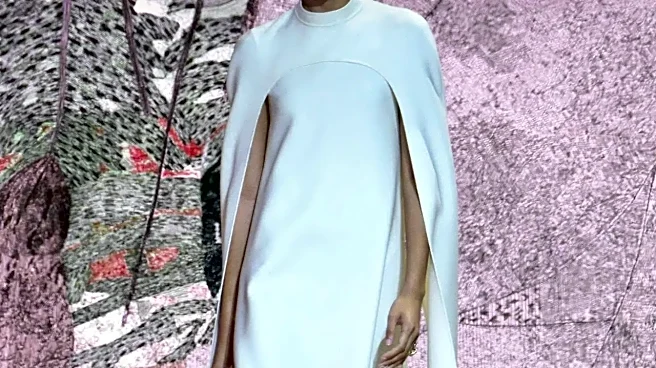

The Thrill of the 'It' Color
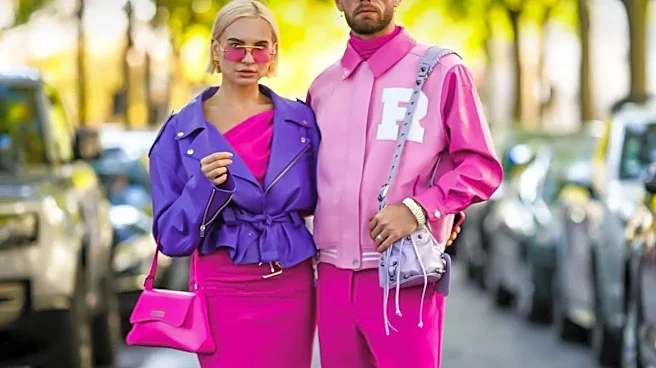
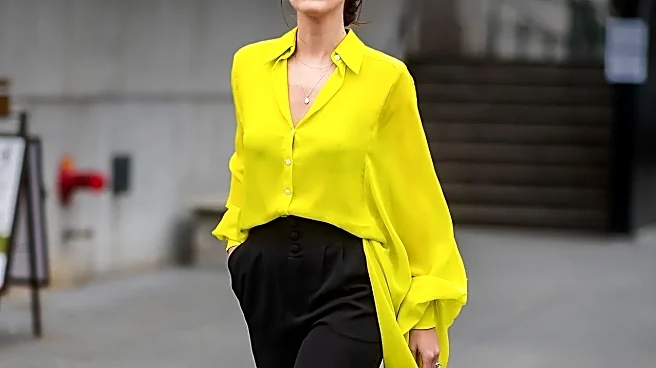
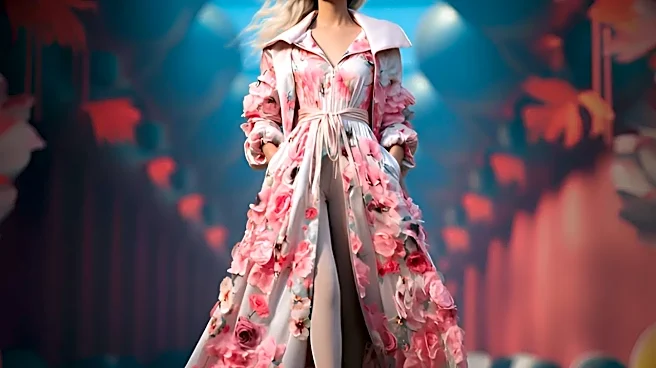
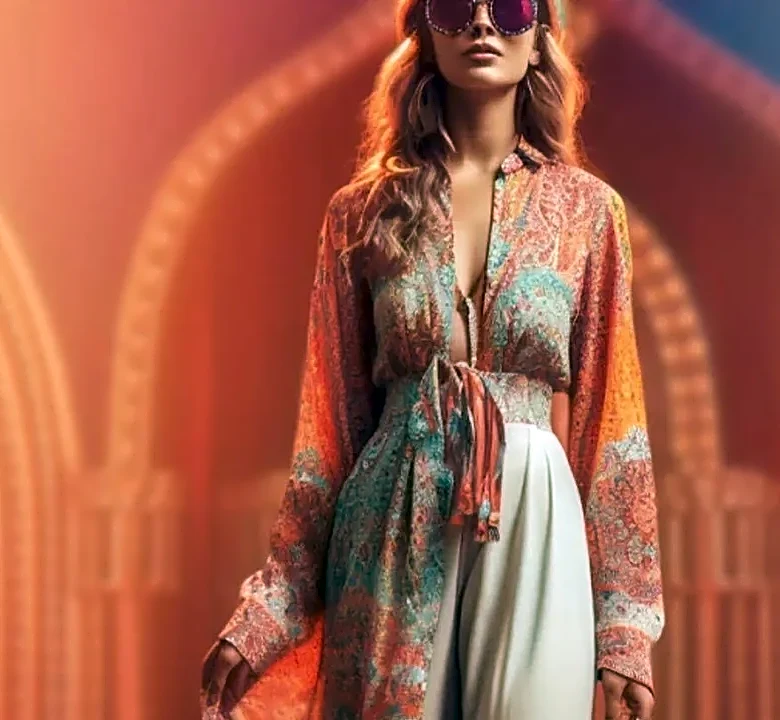
Each season brings a new palette of exciting, must-have hues. For Fall 2026, designers are championing shades like electric blue, deep plum, and even acidic chartreuse alongside traditional burgundy and olive green. These colors are designed to feel fresh
and modern, promising an instant style update. When you see a sweater in a vibrant cobalt or a coat in a rich, moody teal, the appeal is undeniable. It feels like a shortcut to relevance and a way to participate in the current fashion conversation. The purchase feels like more than just a piece of clothing; it's an identity marker, a small piece of the high-fashion world made accessible. But the dopamine hit of a new, trendy purchase can quickly fade when you get it home and realize it stands alone.
The 'Closet Orphan' Problem
This is the heart of the issue: the creation of a “closet orphan.” It’s that beautiful, expensive item that hangs in your closet, tags possibly still on, because it simply doesn't go with anything else. That electric blue jacket looks amazing on the mannequin, but it clashes with your collection of warm-toned camel and olive basics. That plum-colored silk skirt feels luxurious, but it makes your existing black and navy tops feel dull. When a new piece doesn't harmonize with your core wardrobe, its potential is severely limited. Instead of creating dozens of new outfit possibilities, it creates a problem that requires you to buy more things just to make it work. More often than not, it languishes, a colorful reminder of an expensive mistake.
First, Conduct a Wardrobe Audit
Before you even think about shopping for a new trend, the most crucial step is to look at what you already have. A quick wardrobe audit isn't about stressful decluttering; it's about gathering intelligence. Pull out your core pieces—the pants, jackets, and knits you wear most often. What are the dominant colors? Most people have a foundation of two to three base neutrals, like black, navy, gray, or beige. Then identify your main colors, the shades you naturally gravitate towards, and a few accent colors that already exist in your closet. Taking a quick inventory of your life and how you spend your days also helps determine if your closet reflects your actual needs. Once you have a clear picture of your personal color story, you can shop with purpose.
Build a Cohesive Color Palette
A functional wardrobe isn't about having a closet full of neutrals; it's about having a closet where pieces work together harmoniously. Think of it as a capsule wardrobe color palette. This palette should consist of your base neutrals, your favorite main colors, and a few accent shades that complement everything. When you know your palette, you can see where a new trend color might fit. Does that trendy burgundy complement your existing navy and cream base? It probably will. Does that bright chartreuse work with your earthy palette of rust and olive? Maybe not as a coat, but perhaps as a small accent. A cohesive palette ensures that you can mix and match almost everything, maximizing your options with fewer items.
Smart Ways to Integrate New Colors
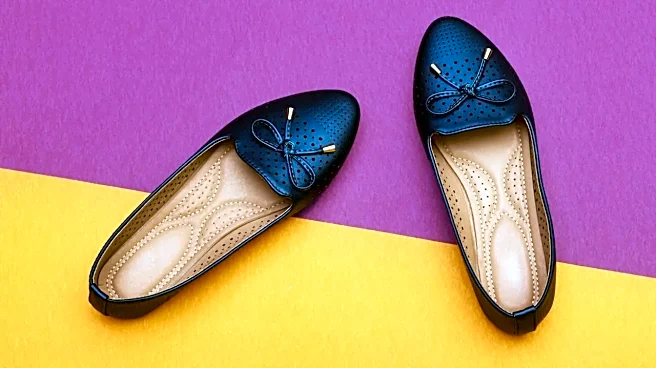
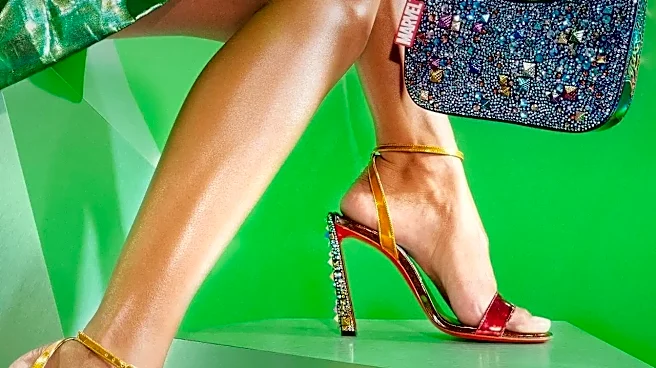
If a runway color captures your heart but doesn't quite fit your core palette, you don't have to ignore it completely. The key is to adopt it strategically and in small doses. Instead of a statement coat, try a scarf, a handbag, a belt, or a pair of shoes in the new hue. Accessories provide that pop of trend-forward color without requiring a total wardrobe overhaul. Another strategy is to look for the trend color in a less expensive item, like a t-shirt or a knit top, that you can layer under your existing neutral blazers and jackets. This allows you to experiment with the color and see how much you truly enjoy wearing it before making a significant investment. It's about treating trend colors as guests in your wardrobe, not the new landlords.