


An Anthology With a Twist
The core of the 'American Horror Story' engine is its format: a self-contained story each season. But where classic anthologies like 'The Twilight Zone' reset every episode, AHS kept audiences for a full season, building a complete narrative with a beginning,
middle, and end. This was a novel approach in 2011. Instead of asking viewers to commit to a multi-year storyline, creators Ryan Murphy and Brad Falchuk offered a lower-risk proposition: if you don’t like this year's 'Freak Show,' you might love next year's 'Hotel.' This simple idea proved revolutionary, creating a loyal viewership that knew a fresh dose of horror was always just around the corner. It allowed the show to explore wildly different subgenres—from haunted houses to witch covens—without ever losing its core identity.
The Repertory Theater Company
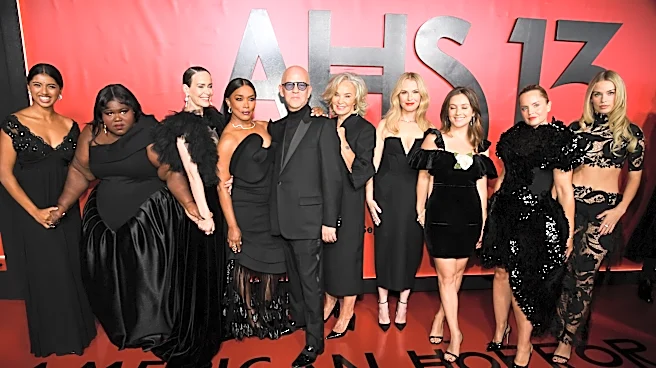
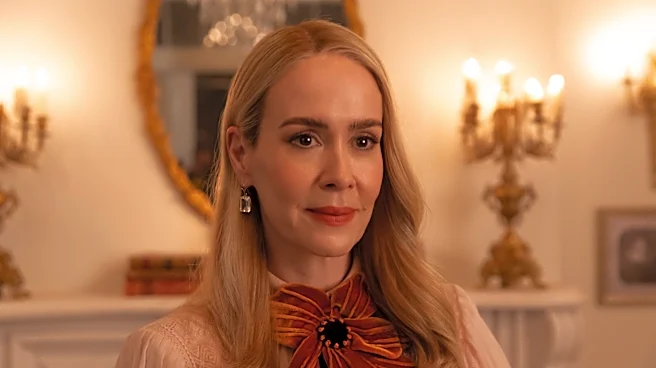
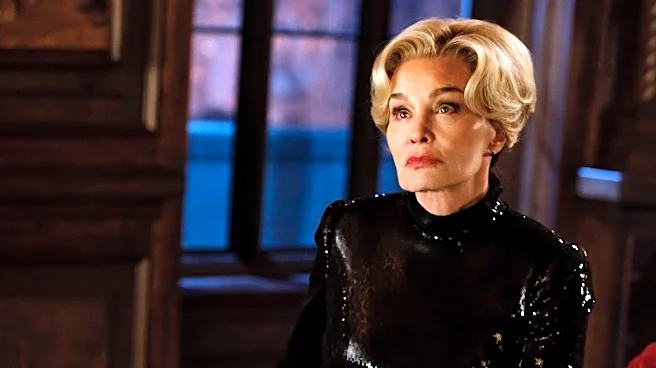
The show's other masterstroke was its use of a recurring troupe of actors. While the stories and settings changed, familiar faces like Sarah Paulson, Evan Peters, and Jessica Lange returned in new roles. This created a unique bond with the audience. Viewers didn't just tune in for the horror; they tuned in to see what incredible, bizarre character their favorite actors would embody next. This 'repertory theater' approach gave the anthology a sense of continuity and family, turning the cast into as big of an attraction as the plots themselves. It also proved savvy from a production standpoint, as it allowed the show to attract major stars who might be hesitant to sign a traditional multi-season television contract.
An Annual Marketing Event
Each new season of 'American Horror Story' isn’t just a premiere; it's a pop culture event. The seasonal reset allows for a complete marketing overhaul every year. FX became masters of the cryptic tease, releasing a flood of visually striking, often surreal posters, short videos, and interactive online experiences that sent fans into a frenzy of speculation. Whether it was the mysterious symbols for 'Cult' or the creepy crawlies of 'Delicate,' each campaign built a unique world of anticipation long before the first episode aired. These campaigns transformed the show's return into an annual guessing game, generating massive social media engagement and ensuring that AHS dominated the conversation.
Building the 'American Story' Universe
With a successful model in hand, Ryan Murphy didn't stop with horror. He and his collaborators used the AHS blueprint to launch a suite of companion anthologies. 'American Crime Story' applied the format to real-life legal dramas like the O. J. Simpson trial, earning critical acclaim and proving the engine could work for non-fiction. This was followed by an episodic spinoff, 'American Horror Stories,' and other brand extensions like 'American Love Story.' What started as a single, strange horror show had morphed into the 'American Story' franchise, a reliable machine for producing prestige, event-worthy television across multiple genres. The format itself became Murphy's signature export to the rest of Hollywood.