

The Currency of 'I Was There When…'
At most music festivals, the lineup is the product. Fans buy tickets to see specific names on a poster. At Newport Folk Festival, the lineup is merely a starting point. The real commodity is the shared secret, the unannounced moment that transforms a great
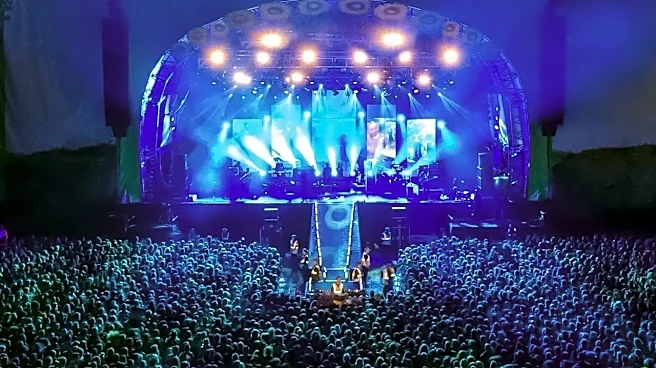
weekend into a legendary one. It’s a tradition baked into the festival’s DNA since its earliest days, like in 1959 when Bob Gibson brought out a then-unknown 18-year-old named Joan Baez. This year, the tradition was as potent as ever. During a set billed as “Hayley Williams & Friends,” the Paramore frontwoman welcomed a parade of collaborators including Jack Antonoff and Lucy Dacus. Just two days later, Nathaniel Rateliff’s headlining set sent the crowd into a frenzy with unannounced appearances from Dave Matthews and festival icon Joan Baez herself. These moments aren't just fun additions; they are the central pillar of the Newport experience, creating a multi-generational currency of “I was there when…” stories. Whether it was Johnny Cash introducing Kris Kristofferson in 1969, Dolly Parton’s cameo in 2019, or Joni Mitchell’s miraculous return to the stage in 2022, the festival has perfected the art of the unforgettable surprise.
The Dopamine of Anticipation
So why does this work so well? The answer lies in our brain chemistry. When we anticipate a potential reward, our brains release dopamine, a neurotransmitter associated with pleasure and motivation. Critically, neuroscience shows that the anticipation of a reward can be even more potent than the reward itself. By selling out tickets before announcing a full lineup, Newport’s executive producer Jay Sweet and his team have engineered an environment of pure, sustained anticipation. The audience doesn't know who might show up, but they know the possibility is always there. This uncertainty creates a heightened state of engagement. Instead of passively waiting for a scheduled headliner, the crowd is actively scanning the stage, buzzing with rumor and speculation. The gap between expectation and reality—the “reward prediction error”—is where the magic happens. An unexpected legend walking on stage delivers a massive dopamine surge that a predictable, scheduled performance simply cannot match.
Creating Collective Effervescence
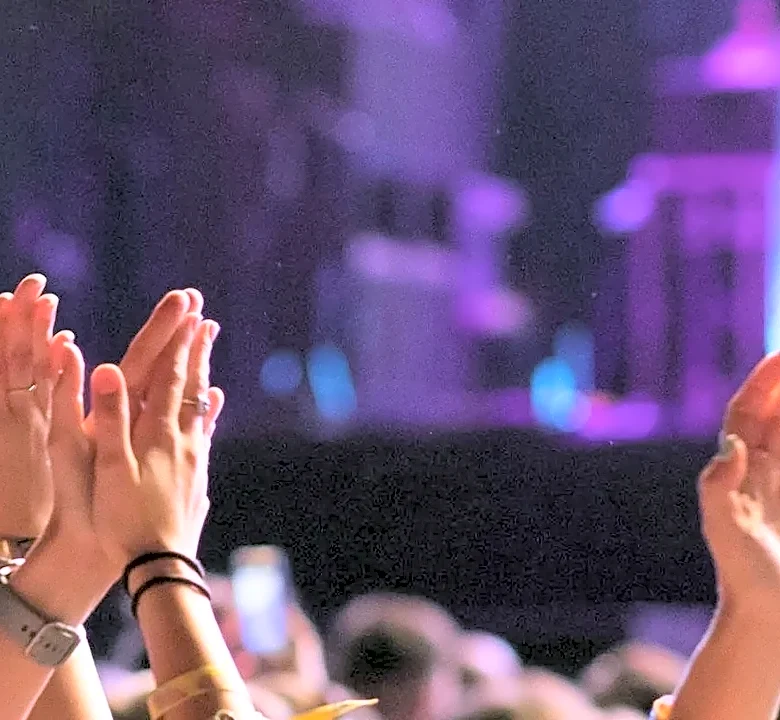
When a surprise happens, it’s not just an individual experience; it's a deeply communal one. The moment a beloved, unannounced artist appears, a wave of shared emotion ripples through the crowd. This is a classic example of what sociologist Émile Durkheim called “collective effervescence”: a feeling of intense, shared energy and unity that arises from group rituals. This communal joy transforms thousands of individuals into a single, connected entity, bound by a secret they now all share. The gasp, the roar, and the subsequent singalong become a powerful, unifying ritual. It fosters a sense of belonging that is core to the festival’s identity, described by organizers and attendees as a “family reunion.” This feeling is so powerful because modern life offers few opportunities for such spontaneous, large-scale moments of shared, positive emotion. It’s a primal human need being met, and it’s what makes the experience feel sacred to so many.
A Culture of Collaboration
The surprises aren’t just a top-down decision; they are a natural byproduct of the environment Newport cultivates. Jay Sweet has often said that artists are invited to Newport, not just booked, fostering a collaborative, low-pressure atmosphere that encourages musicians to stay for the whole weekend, mingle, and, ultimately, play together. Unlike other festivals where artists might fly in for their set and immediately leave, Newport feels more like a creative retreat. This is why you see so many organic collaborations, like when Jim James of My Morning Jacket joined Angel Olsen’s set in 2017, or when The Lumineers performed a pop-up set on a tiny, bike-powered stage. The festival becomes a playground for the performers, not just a workplace. For the artists, the allure is the freedom to step away from their own carefully produced shows and simply be a musician again—to play a cover, join a friend’s song, or pay tribute to a hero. This authentic joy is infectious, and it radiates from the stage directly into the heart of the audience.