



The 7-Second Safety Net
At its core, a broadcast delay is an intentional buffer between the live action and what airs on television or radio. The concept, technically known as “deferred live,” originated in radio in the 1950s to navigate FCC rules about airing live telephone
calls. An engineer devised a system using two tape machines; one recorded the live audio, and the other played it back seconds later, creating a gap. This gave hosts time to prevent profanity from hitting the airwaves. Today, the technology is digital, but the principle is the same. Modern systems, often called “profanity delays” or “dump boxes,” use software to create a short delay, typically between five and ten seconds. This gives a broadcast standards editor—a censor, essentially—just enough time to hit a button and delete an unwanted segment of audio or video before it reaches the public.
The Super Bowl That Changed Everything
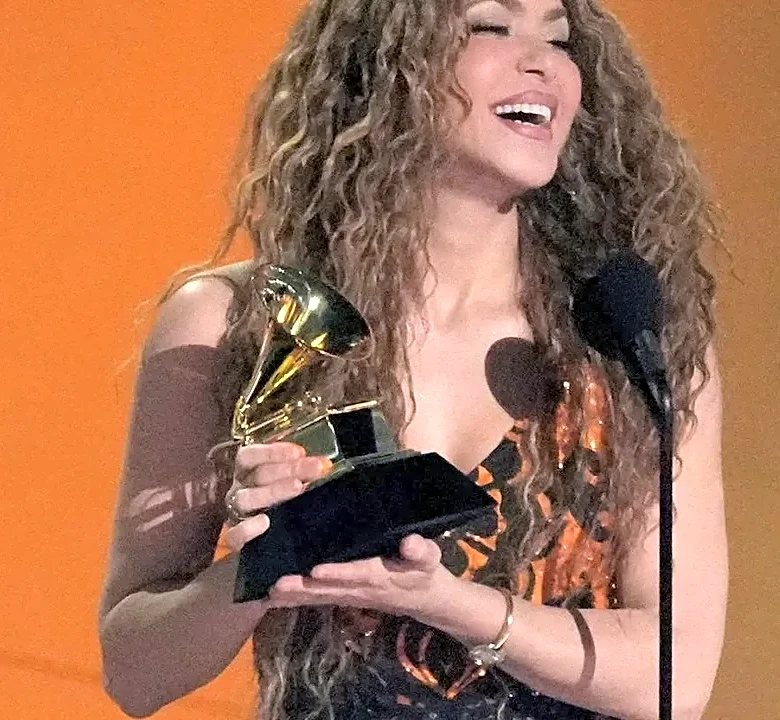
For decades, the delay was mostly an insider tool for radio call-in shows and the occasional controversial TV host. That all changed on February 1, 2004. During the Super Bowl XXXVIII halftime show, Justin Timberlake tore a piece of Janet Jackson's costume, briefly exposing her breast to an audience of nearly 150 million people. The incident, which became known as a “wardrobe malfunction,” resulted in a massive public outcry and a significant fine for the network from the Federal Communications Commission (FCC). While the network wasn't using a delay for that performance, the fallout was immediate and industry-wide. In the aftermath, a significant delay became standard practice for nearly all major live broadcasts, including awards shows like the Oscars and the Grammys, concert events, and, of course, the Super Bowl halftime show. It was a watershed moment that moved the broadcast delay from a niche practice to a non-negotiable industry standard.
Who Actually Pushes the Button?
The decision to bleep a word or cut away from a shot happens in a high-pressure, split-second environment. The person responsible is usually a network's broadcast standards and practices (S&P) editor or a producer trained on FCC guidelines. These rules prohibit broadcasting “obscene, indecent, or profane” content between the hours of 6 a.m. and 10 p.m., when there's a reasonable chance children are watching. Violations can lead to massive fines and even threaten a station's broadcast license. The job requires lightning-fast reflexes and a deep understanding of constantly evolving community standards. It's a thankless task: a successful intervention goes unnoticed, but a single mistake can create a national news story. The person at the switch isn't just listening for the famous seven dirty words; they're watching for gestures, controversial political statements, or any unexpected action that might breach protocol.
More Than Just Bleeps and Blurs
While preventing FCC fines is the primary driver, the power of the delay extends far beyond censoring profanity. This small buffer gives broadcasters a surprising amount of editorial control over a live event. It can be used to seamlessly edit out technical glitches, like a faulty microphone or a camera that falls over. It can remove an athlete's embarrassing slip-up or an actor's flubbed line. Longer delays, sometimes called “tape delays,” allow networks to air events from different time zones in primetime or edit a long event down to a more digestible runtime, highlighting what they deem the most interesting moments. In this sense, the delay isn't just a safety net; it’s a production tool. It allows broadcasters to smooth out the rough edges of reality, curating a cleaner, more polished version of events for the viewer at home. The trade-off is that the raw, unpredictable nature of truly live television is sacrificed for control.