






The All-Important Emmy Calendar
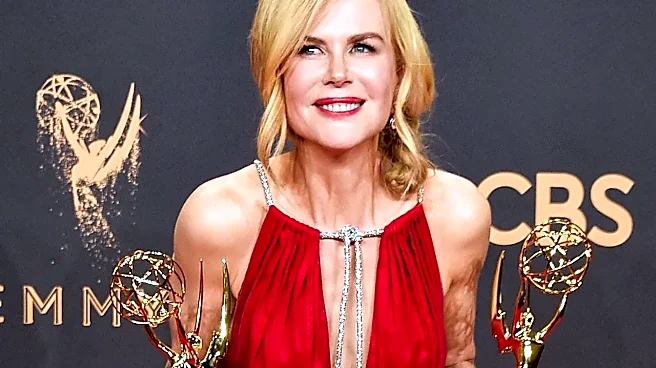
The most significant reason for a September premiere is the Primetime Emmy Awards. The eligibility window for the Emmys typically runs from June 1 of one year to May 31 of the next. A show that launches in September has the entire fall, winter, and spring
to air, build a following, and generate critical buzz. Its finale often lands just a few months before Emmy nomination voting begins in June, ensuring the series is fresh in the minds of Television Academy voters. A show that airs too early in the eligibility window risks being forgotten, while a show that airs too late in the spring might not have enough time to gain traction. The September slot is the strategic sweet spot, giving a prestige drama a long runway to establish itself as a dominant cultural and awards contender before the voting period even opens. This was a strategy seen with major hits like "Boardwalk Empire," which premiered on September 19, 2010, and went on to secure 18 Emmy nominations for its first season.
Finding a Strategic Clearing
The television landscape is more crowded than ever, but September offers a unique competitive advantage. The summer months are traditionally slower, with audiences traveling and spending more time outdoors. Conversely, the period from late October through December is a marketing minefield, saturated with holiday programming, blockbuster movie releases, and major sporting events. September, however, is a strategic clearing. It neatly avoids both the summer viewership slump and the end-of-year content avalanche. It's a time when broadcast networks are just beginning to roll out their own fall schedules, which have historically started in late September. By launching its heavy hitters a week or two earlier, HBO can capture audience attention before the broadcast noise begins, establishing its new series as the event show of the season. This confidence was noted when "Boardwalk Empire" launched directly against the broadcast fall premieres, a sign of HBO's belief in its product.
The 'Back to School' Mindset
There's also a powerful psychological component to a September launch. For decades, the month has signaled a return to routine and a more serious state of mind. After a summer of lighter, escapist entertainment, audiences are often ready for something more substantial and narratively complex. The "back to school" feeling applies to our media consumption habits, too. Viewers are more inclined to invest their time in a dense, character-driven drama when the nights get a little longer and the casual viewing of summer is over. HBO has masterfully tapped into this rhythm, positioning its prestige series as the sophisticated choice for a new season of viewing. Series like "The Deuce," which premiered on September 10, 2017, and whose subsequent seasons also launched in September, fit this mold perfectly, offering a gritty, deep-dive drama ideal for the focused fall viewer.
Building the Conversation
Unlike the all-at-once binge model popularized by streaming giants, HBO’s traditional weekly release schedule is designed to build sustained cultural conversation. A September premiere gives a show nearly three months to dominate social media, water-cooler talk, and weekly recaps before the year ends. This slow burn allows characters to develop, plot twists to marinate, and theories to proliferate, turning a TV show into a shared cultural event. Launching at the start of the fall season maximizes this effect, allowing a series to become part of the public consciousness for months. By the time its finale airs, the show isn't just a program; it's a phenomenon, which circles right back to making a lasting impression on awards voters and cementing HBO’s brand as the home of television that matters.