





The Great 'Sweat-Proof' Debate
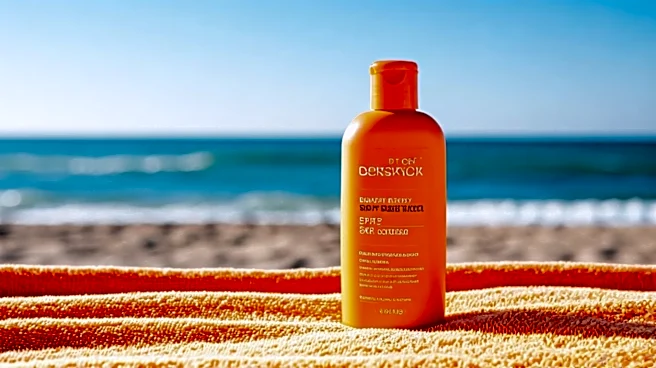
Let’s get the biggest question out of the way first: no sunscreen is truly “sweat-proof” or “waterproof.” In fact, the Food and Drug Administration (FDA) banned those terms from sunscreen labels back in 2011 because they were considered misleading. The
logic is simple: any product will eventually wear off with enough swimming or sweating. Instead, the FDA created a standardized test for durability. Now, brands can only claim a product is “water resistant” and must specify whether that resistance holds for 40 or 80 minutes. This was a huge step for consumer transparency, ending an era where manufacturers could make vague, untestable claims. So, while you might feel invincible with a new formula, the clock is always ticking on reapplication, especially during a workout or a day at the beach.
Meanwhile, in the 1960s...
A trip into the archives of a 1960s summer reveals a completely different mindset. The decade, fueled by the rise of affordable air travel and color film, turned a suntan into the ultimate status symbol. Having a deep, bronze glow signaled a life of leisure, glamour, and maybe even a recent trip to the Mediterranean. Sun protection existed, but it was hardly the main event. Brands like Coppertone, Sea & Ski, and others were marketed primarily as tanning aids—lotions and oils designed to help you get darker, faster, without a painful burn. Famous Coppertone ads from the era feature slogans like, “Tan, don’t burn, get a Coppertone tan,” reinforcing the idea that the goal was color, not coverage. The SPF rating system was only introduced in 1962, and the products of the time offered minimal protection, often with an SPF of 2 to 8. Some people even resorted to using baby oil or cooking oil to deepen their tan.
From Bronze Goddess to Sun Damage
The cultural pivot away from the aspirational tan was slow and driven by science. While doctors began raising concerns about sun damage in the 1960s and '70s, the message didn't fully land until later. As research increasingly linked UV exposure to premature aging and skin cancer, public health campaigns began to shift the narrative. The bronzed ideal of the '60s and '70s gradually gave way to an understanding that true skin health meant protection, not perfection through tanning. This evolution explains our modern obsession with high-performance sun care. We aren't just trying to avoid a sunburn; we're trying to fend off long-term DNA damage. The demand for cosmetically elegant, high-SPF products that we can wear every day is a direct result of this massive cultural and scientific shift.
Your Serious Summer Edit: What to Look For Now
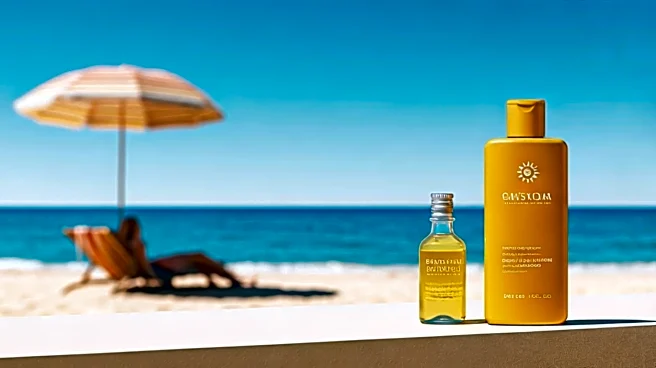
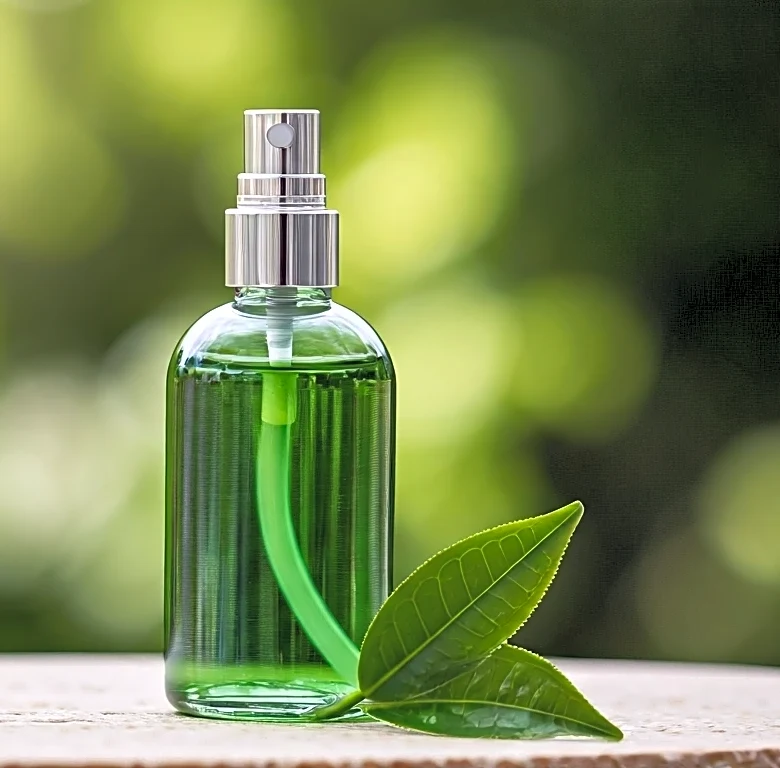
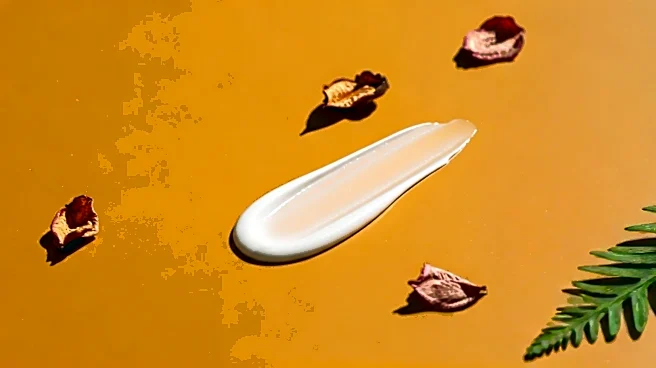
With the “sweat-proof” myth busted, what makes for a truly great body sunscreen in 2026? It’s all about finding a formula you’ll actually want to wear. Thankfully, innovation has moved past the sticky, chalky lotions of the past. Today's best options are lightweight, non-greasy, and absorb quickly without leaving a heavy residue. When shopping, look for the term “Broad Spectrum” on the label, which means it protects against both UVB (burning) and UVA (aging) rays. For active days, choose a formula that is “water resistant (80 minutes)” for maximum durability. The format is also key. Modern sun care comes in invisible gels, lightweight mists, and silky oils that feel more like premium skincare than a beach-day chore. Whether you prefer a mineral (physical) sunscreen with zinc oxide or a chemical formula, the goal is the same: find a texture so pleasant to apply that daily use becomes an effortless habit rather than a sticky obligation.