




The Minion Monopoly
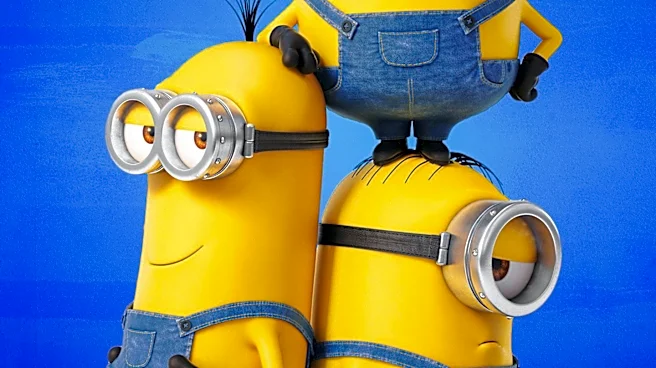
Since their debut in 2010’s Despicable Me, the Minions have become more than just popular characters; they are a global branding phenomenon. Illumination, the animation studio behind them, has executed a masterclass in brand control. The characters’ appeal
is deceptively simple: they speak a universal gibberish, their slapstick comedy translates across cultures, and their simple, sunny-yellow design is infinitely replicable on everything from lunchboxes to theme park attractions. This has allowed them to permeate pop culture on an unprecedented scale, spawning memes, viral social media trends like #Gentleminions, and billions in merchandise sales. They are a blank canvas for commercial tie-ins and audience projection—a perfectly controlled, family-friendly asset that represents the core of Illumination’s success. The Minion brand is built on being universally understood and, crucially, safe.
Enter the Monsters
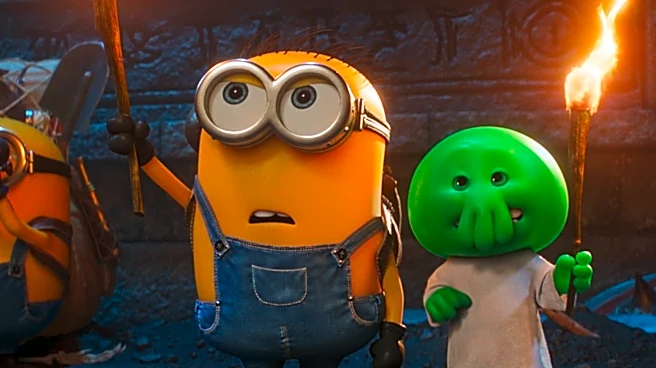
The studio's latest film, Minions & Monsters, set for release on July 1, 2026, intentionally disrupts that carefully curated formula. The premise sees the Minions in 1920s Hollywood, dreaming of making their own monster movie. In true Minion fashion, they cause chaos by using a magic spellbook to summon actual monsters to be the stars of their film. Suddenly, the bright, bubbly world of the Minions is invaded by creatures inspired by a completely different cinematic tradition: the gothic, shadowy aesthetic of classic horror. Instead of building a new franchise from scratch, Illumination is injecting a foreign and tonally opposite element directly into its most valuable intellectual property. This isn't just a new adventure; it's a deliberate genre mashup.
A High-Stakes Clash of Tones
This is precisely why Minions & Monsters becomes such an interesting case study in brand control. The Minions’ brand identity is built on cheerful, harmless anarchy. The monster genre, even when played for laughs, draws its power from archetypes of fear, darkness, and the unknown. The central question for Illumination is how to merge these two worlds without one fatally diluting the other. If the monsters are too goofy and “Minionized,” they risk feeling like cheap costumes, undermining the premise. If they lean too heavily into their classic horror roots, they could alienate the youngest members of the Minions’ massive audience. Finding that perfect balance is a tightrope walk. Success would prove the Minion brand is elastic enough to absorb other genres, but a misstep could create a muddled film that pleases no one and suggests the Minions can only succeed in their own lane.
The Meledandri Method on Trial
This move can be seen as a direct test of Illumination founder and CEO Chris Meledandri's long-term vision. Meledandri has been open about his ambition to build Illumination’s studio brand to be as recognizable and trusted as Disney or Pixar, admitting that he believes they are only about “halfway” there. A key part of that journey is proving the studio can produce more than just sequels and spin-offs that follow a proven formula. Minions & Monsters is a high-stakes gamble to demonstrate creative range. By folding a new genre into its flagship franchise, Illumination is testing whether its brand can evolve. It’s a calculated risk designed to prove they can stretch their creative muscles and expand their storytelling toolkit, all while leveraging the undeniable commercial safety net of the Minions. It's a public trial for a studio looking to cement its legacy beyond its most famous creation.