








The Halloween Gold Rush
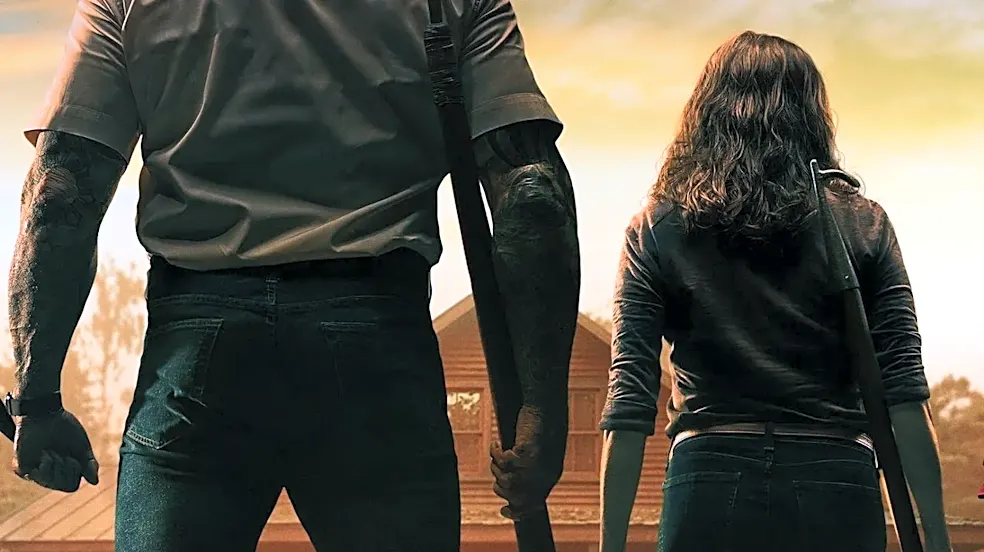
As the leaves turn and Halloween approaches, a familiar monster rears its head at the box office: the horror blockbuster. This October, DC's dark, R-rated take on a classic villain, 'Clayface', is making waves as a full-blown body horror film. It joins
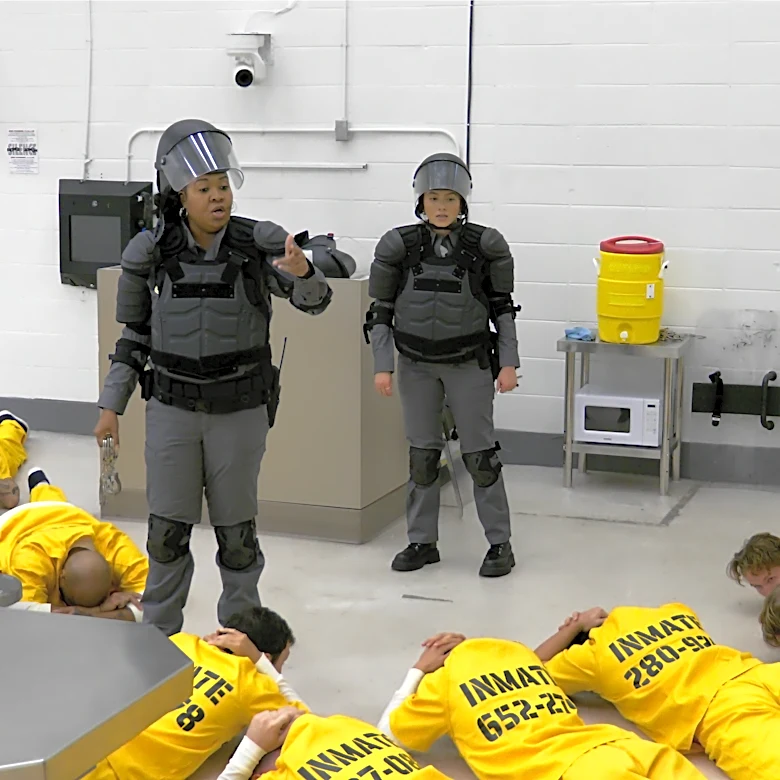
a crowded field of recent scary movie successes, including the critically panned but audience-pleasing 'Other Mommy', which proved that in October, the desire to be scared often outweighs poor reviews. That film opened to a strong $27.5 million, tapping into a market primed for thrills. This seasonal surge isn't an anomaly; it's a reliable industry pattern. Studios know that as Halloween nears, audiences develop an insatiable appetite for frights, making the genre one of the most consistent theatrical performers.
Engineered Fear, Communal Catharsis
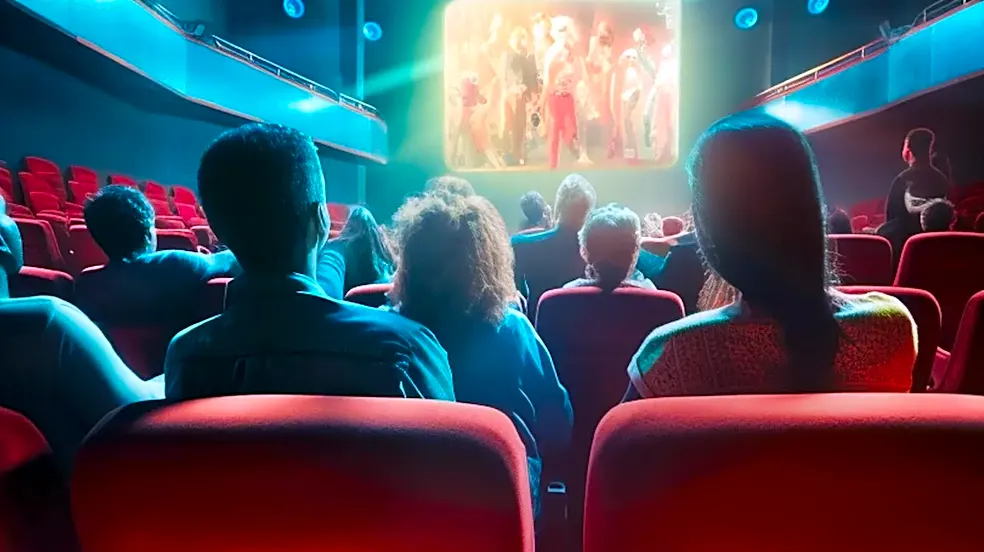
So why do we pay good money to feel terrified? Psychologists point to the concept of 'recreational fear'. Our brains release a rush of adrenaline and other stress hormones, but because we consciously know we're in a safe, controlled environment, that anxiety transforms into excitement and relief. The theatrical experience amplifies this. A jump scare is more potent when accompanied by the collective gasp, scream, and nervous laughter of a hundred strangers. This shared emotional journey creates a powerful sense of bonding and camaraderie. Going through an intense, heightened experience together, even a manufactured one, triggers a 'tend-and-befriend' response regulated by oxytocin, the same hormone associated with social connection. In a theater, screaming is not only acceptable but expected, allowing for a shared emotional release—a 'collective catharsis'—that is impossible to replicate alone.
The Theater's Secret Weapon
In an age dominated by streaming, the horror genre remains stubbornly loyal to the movie theater. While a comedy might be just as funny on a laptop and a drama just as moving, horror loses a key ingredient when taken out of the communal setting. The carefully constructed tension of a horror film is easily broken at home by the temptation to pause, check your phone, or dim the volume. In a theater, you surrender control. The massive screen, enveloping sound design, and the palpable energy of the crowd are all part of the product. This might explain why horror films that are smash hits at the box office often see a significant drop-off in engagement when they move to streaming platforms. The experience itself—the ritual of going out to be scared together—is the main attraction.
More Than Just a Movie
The annual success of Halloween horror is more than just a business trend; it's a cultural indicator. It reveals a deep-seated human need for communal rituals and shared experiences, especially in a world that often feels increasingly isolated. The films that tend to perform best are often the ones that elicit the most vocal, immediate reactions, turning a passive viewing into an active, participatory event. The success of a movie like 'Clayface' or the surprising resilience of 'Other Mommy' isn't just about good marketing or a hunger for gore. It’s a testament to the fact that sometimes, the best way to feel connected is to be terrified together, united in the dark by a scream, a laugh, and the collective sigh of relief when the lights come back on.