


6. The Standard Point Collar: The Neutral Foundation
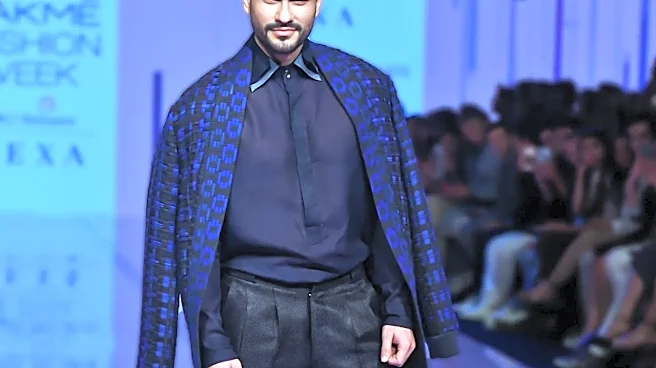
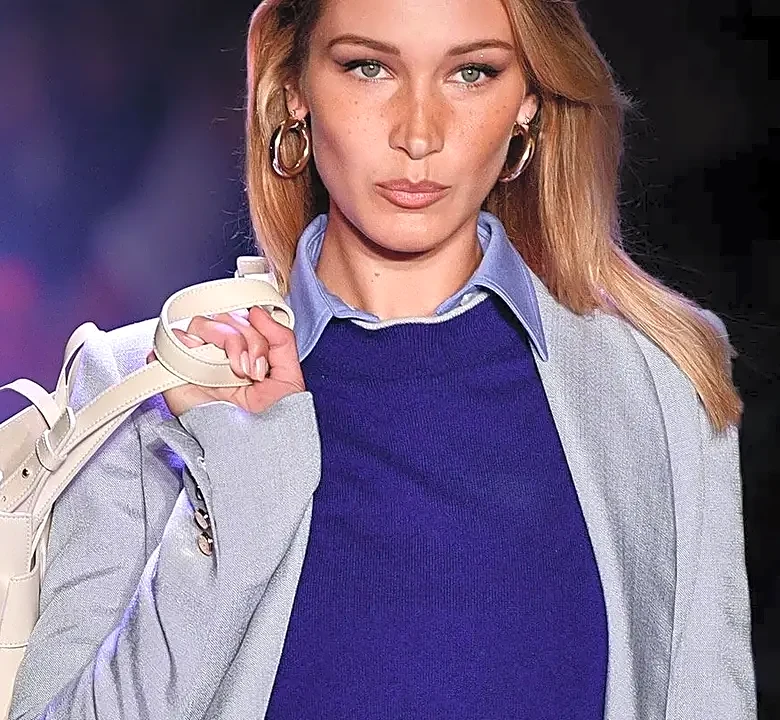
This is the collar you know best—the default setting on most button-down shirts. Its power lies in its neutrality. The standard point collar is designed to complement, not command. It provides a clean, V-shaped frame for the face and works with or without
a tie, making it a versatile staple. While it doesn't dramatically alter the body's silhouette, it provides structure and a sense of polish. Think of it as the control group in our experiment; it does its job quietly, creating a reliable, tidy line without adding volume or aggressive angles. It’s the essential starting point from which all other variations diverge.
5. The Peter Pan Collar: A Soft, Youthful Shift
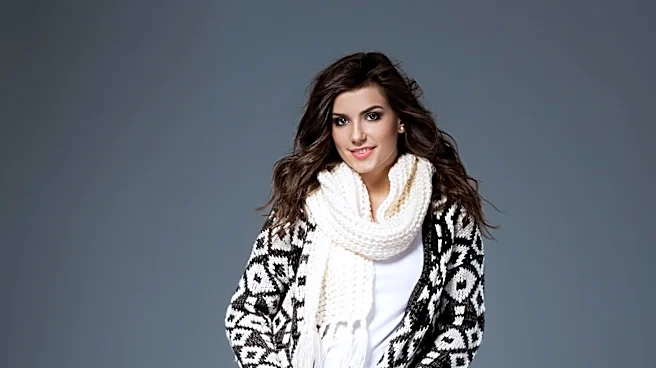
With its signature small, flat shape and soft, rounded corners, the Peter Pan collar instantly changes the mood of a garment. Instead of a sharp, professional point, it creates a gentle, curved frame around the neck. Its effect on a look is less about restructuring the body and more about shifting the narrative—injecting a dose of sweetness, vintage charm, or deliberate whimsy. While it lies flat and doesn't add bulk, it draws the eye upward and can make the neck appear longer. Seen on everything from minimalist blouses to statement dresses, its impact is undeniable, softening an entire look with its simple, storybook curve.
4. The Spread & Cutaway Collar: Horizontal Power
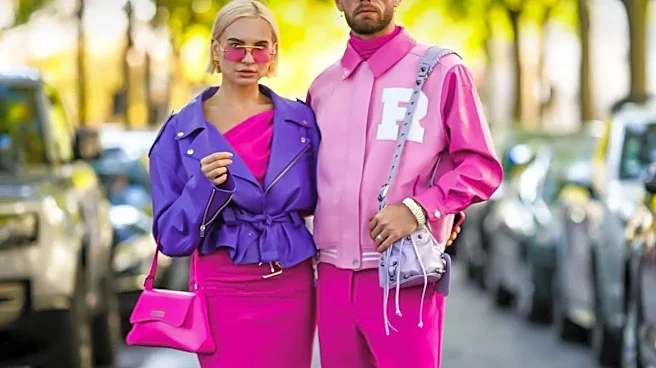
Moving into more assertive territory, the spread collar—and its more extreme cousin, the cutaway—widens the frame of the upper body. The collar points are angled outwards, drawing the eye horizontally across the shoulders. This style is a power move. It creates a strong, confident line that broadens the chest and shoulders, making it a favorite in formal menswear and increasingly in powerful womenswear looks. Unlike a standard collar that elongates, the spread collar adds width. It doesn't just frame the face; it builds a broader foundation for it, subtly squaring off the silhouette and projecting a sense of authority.
3. The Dagger Collar: A Sharp, Graphic Intervention
Hello, 1970s. The dagger collar is defined by its long, sharp points that extend dramatically down the chest. This style is pure graphic impact. It doesn't just frame the face; it creates a powerful vertical line that elongates the torso and pulls focus. It's impossible to ignore. A dagger collar forces a V-neck shape, even when the shirt is buttoned up, creating a look that is both retro and aggressively stylish. By replacing soft curves or standard points with sharp, exaggerated lines, it completely overhauls the top half of an outfit, turning a simple shirt or jacket into a bold statement piece.
2. The Oversized Bib or Bertha Collar: A New Surface
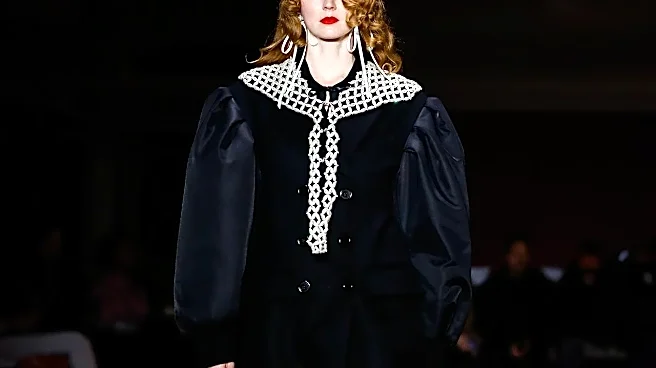
This is where collars stop being an accessory and start becoming a new plane of the garment itself. The oversized bib or Bertha collar, often featuring ruffles or lace, extends over the shoulders and covers a significant portion of the chest. It doesn’t just alter the silhouette—it creates a new one. This style adds significant surface area and volume to the upper body, which can balance proportions or create a deliberately romantic, almost theatrical look. Recent runways have seen these used to create a whimsical or historical feeling, fundamentally changing a simple sweater or dress into a major fashion moment.
1. The Sculptural or Architectural Collar: Total Transformation
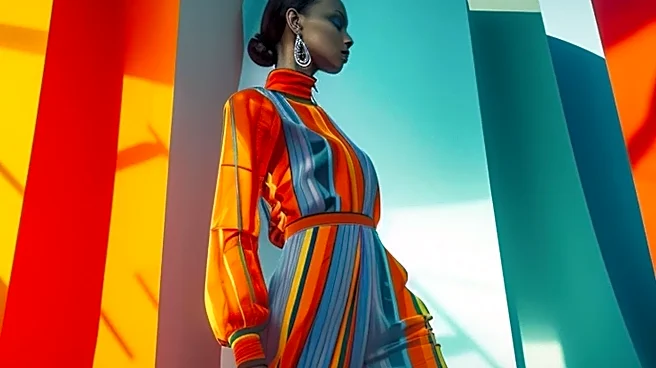
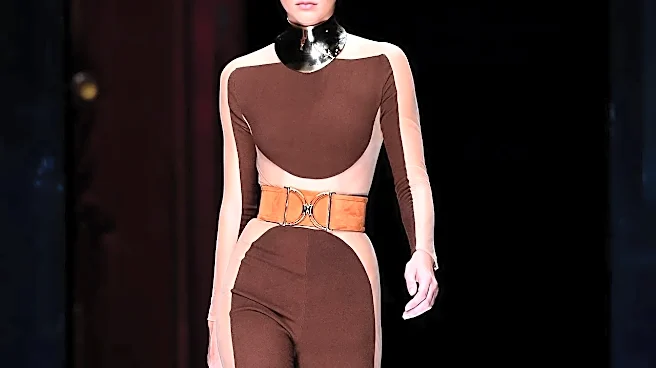
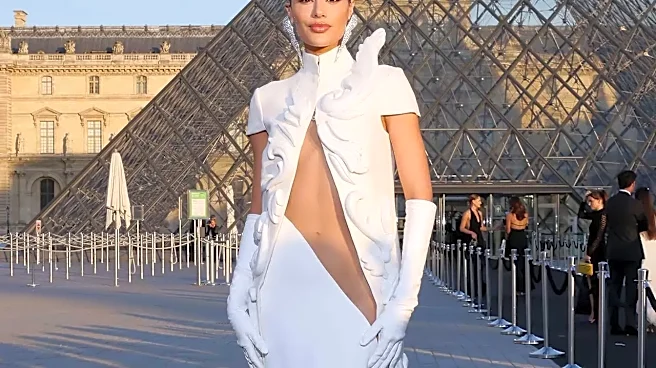
At the top of the list is the collar that functions as sculpture. These are the high-fashion, often avant-garde designs that stand up, fold in on themselves, or jut out in dramatic, gravity-defying shapes. Seen in couture and on designers' fall 2026 runways, these collars are less about framing the face and more about creating an entirely new structure around the neck and shoulders. They can be high funnel necks that create a disciplined, upright posture or feature asymmetrical folds that add intrigue. This type of collar doesn't just change the look; it becomes the look. It's a pure, architectural statement that transforms the human form into a walking piece of art.