


From 'You Might Like' to 'You Should Wear'
For years, AI in fashion meant clunky 'customers who bought this also bought' sections. But the new wave of AI, powered by the same technology behind chatbots and image generators, is far more sophisticated. Instead of just matching patterns, generative
AI understands context. You can use natural language to ask an AI stylist for 'a casual but chic outfit for a fall weekend in New York, using the blue blazer I already own'. The system can then pull from your digital closet, suggest new, complementary pieces, and generate a photorealistic image of the complete look on a model that reflects your body type. This moves the experience from passive browsing to active, conversational collaboration, making style advice more accessible than ever.
The Virtual Fitting Room Gets Real
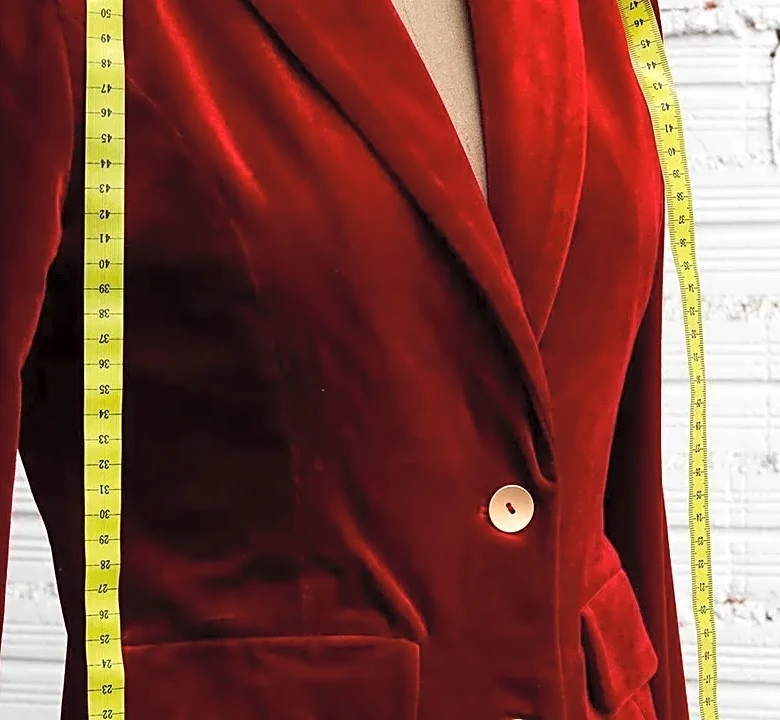
One of the biggest hurdles of online shopping has always been fit. Sizing charts are confusing, and photos on models don't tell you how a garment will drape on your specific frame. This uncertainty is a major reason for high return rates in apparel, which hovers around 25%. Virtual try-on (VTO) technology is AI's most direct answer to this problem. Using your phone's camera or an uploaded photo, AI generates a realistic preview of how an item will look on you. It accounts for fabric behavior, shadows, and proportions to create a result that's far more useful than simply pasting an image onto your body. Retailers like Zara, H&M, and Walmart are already implementing this tech, which has been shown to boost conversion rates and significantly reduce returns by giving shoppers more confidence before they buy.
A Stylist That Knows Your Closet
Many of the most popular emerging AI tools aren't just about selling you new things; they're about helping you use what you already have. Apps like Stylin, Alta, and Whering allow you to digitize your existing wardrobe by uploading photos. The AI then acts as a personal stylist, cataloging your clothes and creating new outfit combinations you might not have considered. It can plan your outfits for the week based on the weather, suggest looks for a specific occasion, and identify gaps in your wardrobe. This shifts the focus from constant consumption to mindful curation, helping you maximize the value of your clothes and shop more intentionally when you do decide to add something new.
The Rise of the Co-Created Garment
The next frontier of AI in fashion moves beyond discovery into creation. Generative AI tools like Midjourney and DALL-E are already being used by designers to brainstorm new concepts. Soon, this power could be in the hands of consumers. Imagine describing a custom dress pattern or uploading an inspiration image and having an AI generate a unique, purchasable design just for you. This hyper-personalization could compress design cycles and lower the barrier for creating new styles. While still in its early stages, the technology points to a future where shoppers are not just consumers but active participants in the design process, creating one-of-a-kind pieces that truly reflect their personal taste.
The Human Element and Potential Pitfalls
Of course, this technological shift isn't without its concerns. An overreliance on AI could lead to a homogenization of style, with algorithms pushing the same trends to everyone. There are also valid questions about data privacy and the ethical use of consumer information. Critics worry about the impact on human jobs, from stylists to models, and the potential for AI-generated imagery to create unrealistic standards of perfection. As with any powerful new tool, the challenge will be to harness AI's potential to augment human creativity and solve real problems—like waste and poor fit—without losing the personal expression and cultural nuance that makes fashion so compelling.