




The Era of Business Casual and Team Sweats
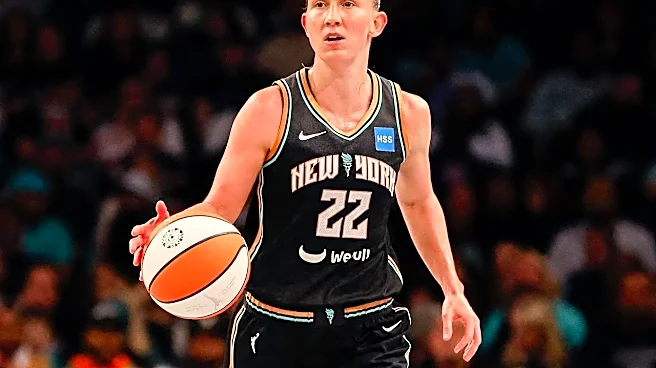
In the early days of the WNBA, from its founding in 1997 through the late 2000s, fashion was an afterthought. The focus was squarely on the court. Players often arrived at games and events, including the All-Star Game, in team-issued warmups or conservative
business casual attire. Six-time All-Star Skylar Diggins-Smith has joked that when she entered the league in 2013, players dressed like “accountants.” The league itself sometimes enforced strict dress codes, with former Phoenix Mercury star Diana Taurasi recalling rules against ripped jeans and requirements for slacks and button-up shirts on road trips. The priority for players was establishing their professional footing in a young league, where salaries were lower and endorsement opportunities were fewer. Style was personal, but it wasn't a public performance. The spectacle was the game, not the arrival.
The Rise of the Tunnel Walk
The seeds of change were planted by the NBA, where a controversial 2005 dress code, implemented after the “Malice at the Palace” brawl, unintentionally sparked a fashion movement. Forced to abandon hip-hop-influenced streetwear, players pivoted to high fashion, turning the pre-game tunnel walk into a de facto runway. This social media phenomenon eventually crossed over to the WNBA. Players like Lisa Leslie, with her polished on-camera presence, and Tina Thompson, with her signature red lipstick, were early pioneers of personal style. But the real shift began as a new generation of players, who grew up with social media and the concept of personal branding, entered the league. They saw the tunnel not just as an entrance, but as an opportunity to express their identity, build their brand, and connect with fans.
From Team Gear to Designer Gowns
Today, the WNBA All-Star arrival is an editorial event, with players collaborating with top stylists and wearing luxury brands. The 2026 WNBA Draft was compared to the Met Gala, with draftees like Azzi Fudd and Flau'jae Johnson arriving in show-stopping gowns from designers like Coach and Bent Kahina. This trend is now in full force at All-Star weekend. A'ja Wilson has been seen in custom Burberry, while others sport Luar, Alexander McQueen, and Prada. This isn't just about expensive clothes; it's about intentional, curated looks that tell a story. The pre-game walk is now documented by dedicated social media accounts like @WNBATunnel, which has amassed tens of thousands of followers by showcasing these outfits. The transformation is so complete that stylists now specialize in dressing WNBA players, treating each tunnel walk as a mini red carpet moment.
More Than Just Fashion
The evolution from merch to editorial is about more than just aesthetics; it signifies a major shift in the WNBA's cultural power. As viewership and popularity have soared, brands like Skims and Coach have inked partnerships with the league, recognizing its influence. For the players, fashion has become a tool of empowerment and entrepreneurship. A strong sense of style helps build a personal brand, which can lead to lucrative endorsements and business opportunities beyond the court. It allows players to challenge outdated notions of how female athletes should look and act, embracing a full spectrum of expression from hyper-feminine to masculine and androgynous styles. This newfound freedom of expression showcases the players' personalities, making them more relatable and visible to a broader audience. It proves that a player can be both a world-class athlete and a fashion icon, fundamentally changing how the league and its stars are perceived.