


The Six-Month Countdown
Long before the first model steps onto the catwalk for New York Fashion Week, the show has already begun. The process starts nearly half a year out, with designers and their creative teams crystallizing an abstract theme into a tangible vision. According
to fashion show producers, this initial phase is a whirlwind of conversations about the collection's core ideas. A show producer is the logistical and creative glue, responsible for the end-to-end execution of the event. Their job starts with location scouting—a crucial decision that sets the entire mood—and securing the right venue. Will it be a vast, industrial warehouse in Brooklyn, a historic landmark, or an intimate gallery space? At the same time, budgets are drawn up, and key collaborators like set designers, stylists, and PR firms are brought into the fold. This is the blueprint phase, where every decision, from the color of the lighting to the layout of the seating, is meticulously debated and planned to reflect the brand’s aesthetic.
The Casting and Styling Puzzle
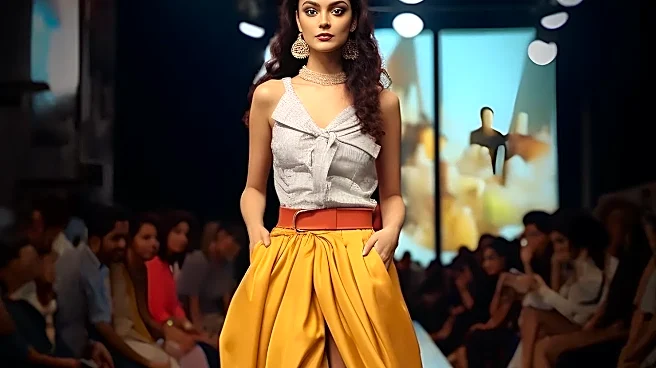
With about two to three months to go, the focus shifts to the human element: casting. This isn't just about finding models who fit the clothes; it's about finding personalities who can embody the collection's narrative. Casting directors work closely with the designer to select a lineup that tells a story. Weeks are spent reviewing portfolios and holding auditions. In the final weeks, this puzzle comes together during fittings. This is where the lead stylist's vision becomes critical. They don't just put clothes on models; they create characters. Multiple rounds of tests for hair and makeup are conducted to create a cohesive visual look that complements the collection. Every detail, from an accessory choice to the specific way a sleeve is rolled, is deliberate. This process ensures that when the models walk, their look feels authentic and intrinsic to the garment, not just something they put on minutes before.
Choreographing Controlled Chaos
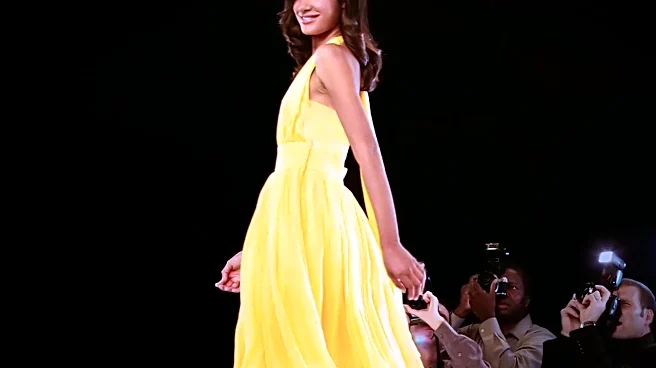
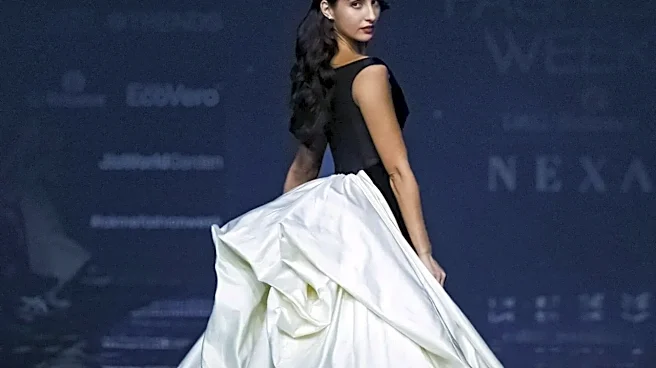
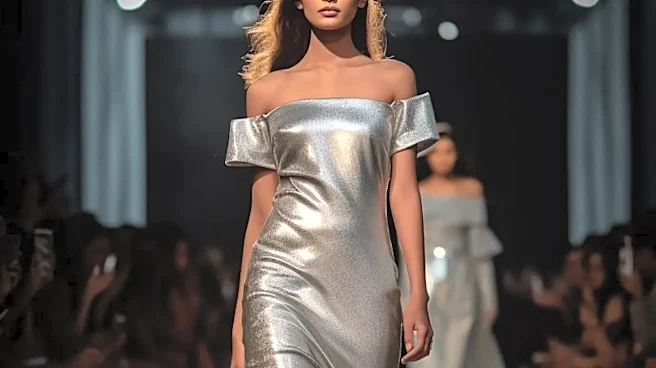
The week of the show, the energy shifts into high gear. This is when runway choreographers take center stage. Their job goes far beyond telling models how to walk in a straight line. They design the entire flow of the show: the pace of the walk, the formations of the models, the strategic pauses, and the final walk. A slow, deliberate pace might convey elegance, while a fast, energetic strut can create a sense of dynamism. Even interactions between models are often planned to create memorable vignettes. Music and lighting cues are timed to the millisecond. Rehearsals are intense, with the producer and choreographer working to sync every model's movement with the soundtrack and lighting changes. This is where spontaneity is practiced until it becomes second nature. A model’s confident turn or a group’s seamless crisscross pattern is the result of hours of repetition designed to look completely natural.
The Final 15 Minutes of Illusion
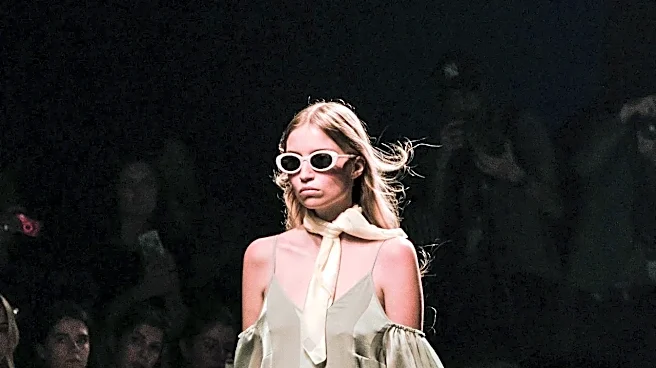
Backstage on show day is a scene of highly organized frenzy. Model dressers, often volunteers, are assigned to specific models, sometimes managing several rapid-fire quick changes. Hair and makeup teams perform final touch-ups under immense pressure, especially when models arrive late from other shows. The show producer acts as the ultimate conductor, overseeing model timings and ensuring every element runs on schedule. When the show finally begins, it lasts for an average of just 10 to 15 minutes. For the audience, it's a seamless, captivating performance. They see the perfect walk, the stunning clothes, and the electric finale. What they don't see are the dressers working frantically in the wings or the producer speaking into a headset to manage a last-minute hiccup. The entire production is designed to hide the immense effort, leaving only the illusion of effortless magic.