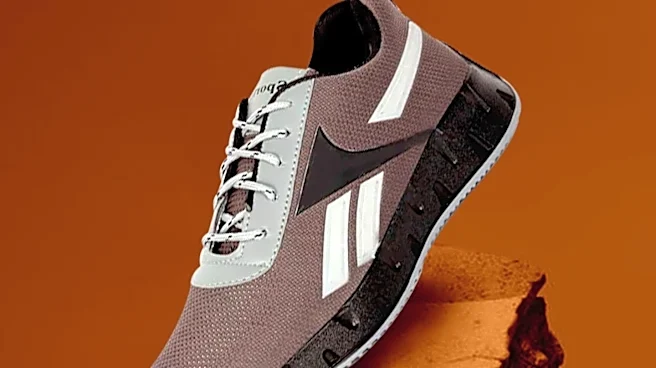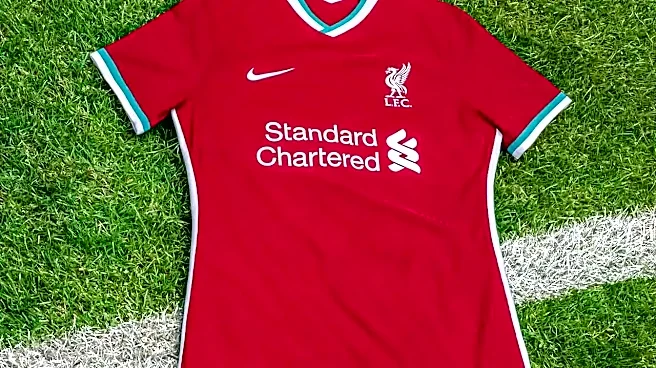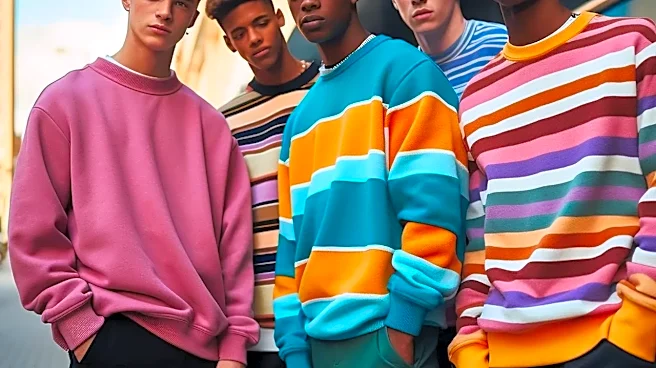





Look around a coffee shop, an airport, or even a casual office, and you’ll see it: from teenagers in hoodies to grandparents in sleek sneakers, sportswear is everywhere. How did athletic apparel escape the gym to become our default uniform?
The Unstoppable Force of Comfort
The most straightforward
reason for sportswear's takeover is also the most powerful: it’s comfortable. For decades, fashion was synonymous with restriction—stiff denim, structured blazers, and unforgiving fabrics. The 'athleisure' movement challenged this by prioritizing how clothes feel. Innovations in textile science gave us materials that are breathable, flexible, moisture-wicking, and soft. Once people got a taste of clothing that moves with them, it became difficult to go back to more rigid attire. The pandemic supercharged this shift. As work-from-home became the norm, formal office wear was replaced by leggings, joggers, and hoodies, erasing the line between professional and personal attire. This mass casualization proved that comfort and daily life could coexist, and the habit stuck.
Wellness as a Status Symbol
Wearing sportswear today isn't just about physical comfort; it's about broadcasting an identity. In a culture increasingly focused on health and wellness, donning athletic gear has become a way to signal a commitment to an active and mindful lifestyle, even if the only running you're doing is for errands. This phenomenon, sometimes called 'enclothed cognition', suggests that wearing certain clothes can influence our mindset and behavior. Putting on athletic apparel can act as a mental trigger, making us feel more like the kind of person who prioritizes fitness and vitality. Brands have leaned into this, building communities around a lifestyle rather than just a product, making a pair of leggings or a branded sweatshirt a membership card to an aspirational club.
From the Streets to High Fashion
Sportswear's journey from the margins to the mainstream was heavily influenced by cultural trailblazers. In the 1970s and 80s, hip-hop artists adopted tracksuits and sneakers from brands like Adidas, turning functional gear into symbols of street identity and status. This gave sportswear a 'cool' factor that transcended athletics. By the 2000s and 2010s, celebrity influence reached a new peak. Stars like Beyoncé, Rihanna, and Zendaya were photographed wearing athletic apparel for everyday activities, normalizing the look and demonstrating its versatility. High-fashion houses took notice, and collaborations between luxury designers and sportswear giants like Nike and Adidas became commonplace, permanently blurring the lines between the runway and the running track.
A Unifying Generational Style
Perhaps the most unique aspect of the sportswear trend is its ability to bridge generational divides. Unlike past styles that sharply defined youth subcultures—from punk to preppy—athleisure is universally accessible. For younger generations like Gen Z, it represents a rejection of traditional dress codes and an embrace of fluid, individualistic expression. For Millennials who grew up with the rise of wellness culture, it’s a natural extension of their lifestyle. For Gen X and Baby Boomers, it offers a practical, comfortable, and modern alternative to the stuffy clothing of their past, allowing them to prioritize mobility without sacrificing a sense of style. In a world of fleeting trends, sportswear has become a rare common ground—a shared language of ease and modernity spoken by everyone.