






A Tradition of Passionate Outrage
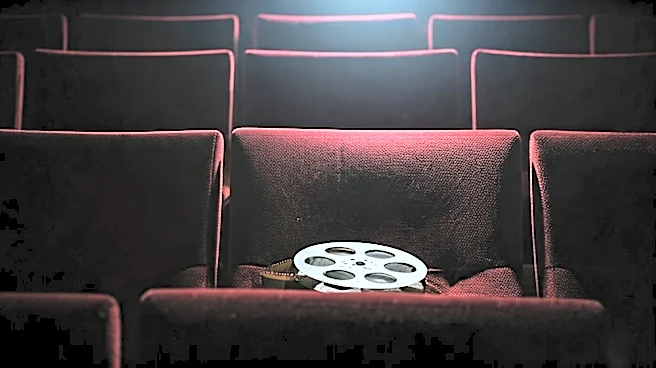
Cannes is not your average multiplex. The audience at the world’s most prestigious film festival is a volatile mix of industry insiders, critics, and cinephiles who see film as a high art form. Their reactions are notoriously passionate and immediate. A seven-minute standing ovation can signal an Oscar contender, but a chorus of boos or a wave of theatrical walkouts can mean something else entirely. Since the 1960s, when Michelangelo Antonioni’s now-classic *L’Avventura* was jeered, the Cannes boo has become a cultural institution. It’s not just a sign of dislike; it’s a visceral, public verdict that a film has provoked, confused, or offended the gatekeepers of cinematic taste. And in an industry saturated with safe, focus-grouped entertainment,
that provocation is a rare and valuable commodity.
The Priceless Buzz of Controversy
Imagine you’re a film publicist. Your job is to cut through the noise and get people talking about your movie. You could spend millions on TV spots and billboards, or you could screen your film at Cannes and have it booed. The next day, headlines around the world won’t be about the films that got polite applause. They will scream: “Audiences Walk Out of Controversial Cannes Shocker!” or “Lars von Trier’s New Film Booed Mercilessly!” Suddenly, millions of people who have never heard of your movie are aware of its existence. The boos function as a giant, free, international foghorn announcing that this isn’t just another film—it’s an event. Martin Scorsese’s *Taxi Driver* received boos before winning the top prize, the Palme d'Or, in 1976. The controversy only cemented its status as a dangerous and essential piece of American cinema.
Turning Critics into a Dare
A universally praised film is nice, but a divisive one can be far more intriguing to the public. When a film splits the room at Cannes, it creates a powerful psychological effect. The harsh criticism doesn’t just report on the film; it issues a challenge to the potential viewer. “This film was too intense/weird/graphic for the so-called experts,” the narrative goes. “Are *you* brave enough to handle it?” This dynamic transforms a movie from a passive viewing experience into an active cultural test. Sofia Coppola’s *Marie Antoinette* (2006) was booed for its anachronistic pop soundtrack, a choice that was central to its marketing and eventual cult status among a younger generation. The boos validated its rebellious spirit and dared audiences to decide for themselves which side of the critical divide they were on.
A Badge of Auteur Honor
For certain directors, a negative reaction at Cannes is practically a brand-building exercise. For boundary-pushing auteurs like David Cronenberg (*Crash*), Gaspar Noé (*Irréversible*), or Nicolas Winding Refn (*The Neon Demon*), a quiet, pleasing reception would be a sign of failure. Their reputations are built on challenging audiences, and the boos serve as proof that they haven't lost their edge. It’s a signal to their loyal fanbases that the director hasn’t sold out or softened. The scandal becomes a badge of honor, a confirmation of artistic integrity in the face of commercial compromise. This “succès de scandale” (success from scandal) ensures the film dominates the festival conversation and solidifies the director’s place as a provocateur, which is its own form of marketing genius.
Amplified by the Social Media Age
In the 21st century, this phenomenon is on steroids. A walkout at Cannes is no longer just a rumor in a trade paper; it’s a viral event. Live-tweeting critics, instant analysis, and TikTok clips of audience reactions turn the festival floor into a global spectacle in real time. A film like *The Idol* or Francis Ford Coppola's *Megalopolis* can become a meme-ified topic of intense debate and curiosity long before it’s available to the public. The drama of the reception becomes as compelling as the film itself. This online firestorm doesn’t just generate awareness; it builds a community of anticipation around the film, composed of both eager fans and morbidly curious haters. Either way, they’re all buying a ticket.