



The Ultimate Establishing Shot
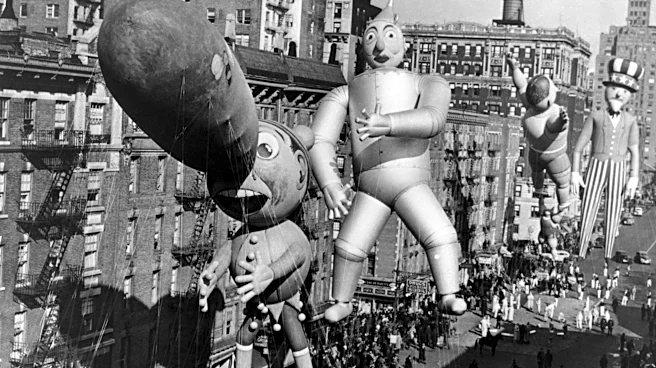
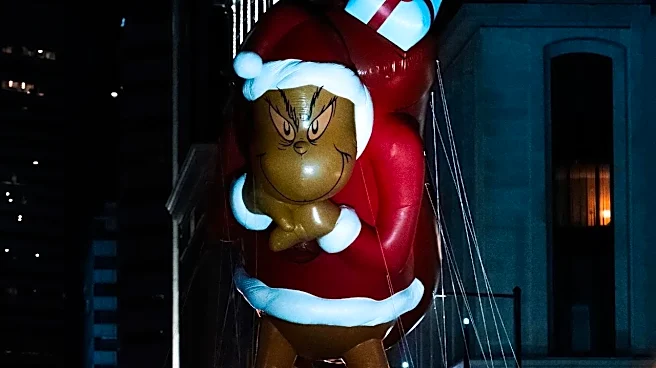
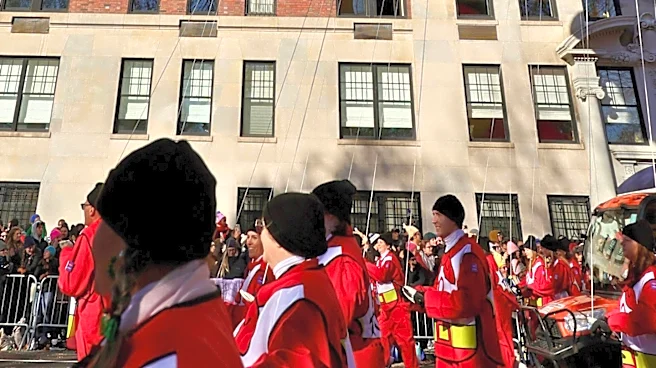
When a movie opens with giant balloons floating between skyscrapers, it does more than set a scene; it sets a mood. The Thanksgiving parade is cinematic shorthand for the official start of the American holiday season. It instantly grounds the audience
in a specific time and place: a festive, hopeful New York City teetering on the edge of Christmas magic. Directors use it to evoke a sense of wonder and communal experience before a single line of dialogue is spoken. The first national telecast of the parade was in the late 1940s, and its presence on television turned a local New York event into a national ritual. This shared cultural touchstone allows filmmakers to tap into a collective nostalgia, making the world of the film feel immediately familiar and emotionally resonant. Whether it's the black-and-white charm of the 1940s or a modern-day spectacle, the parade signals that we are entering a world where holiday wishes just might come true.
A Stage for Character and Conflict
The most famous example, of course, is 'Miracle on 34th Street'. The 1947 classic doesn't just feature the parade; it's the catalyst for the entire plot. The story begins when the man hired to play Santa in the parade shows up intoxicated, forcing event director Doris Walker to hastily hire a kindly old man named Kris Kringle. The film cleverly used footage from the actual 1946 parade, with actor Edmund Gwenn riding on the sleigh, blurring the lines between fiction and reality for the millions who watch the event every year. This integration makes the story's central question—is this man really Santa Claus?—feel grounded and immediate. The parade isn't just background decoration; it’s the stage upon which the film’s central character is introduced and its primary conflict is born. Without the parade, there is no story.
An Engine for Action and Comedy
Beyond heartwarming tales, the parade also serves as a perfect backdrop for chaos, comedy, and even crime. In the 2011 action-comedy 'Tower Heist,' the parade is central to the film's climax. The characters plan their revenge on a crooked Wall Street billionaire, using the noise and distraction of the parade to cover their elaborate scheme. The film went as far as recreating parts of the parade on the Upper West Side to film complex chase sequences that couldn't be done during the live event. On television, sitcoms have mined the parade for comedic gold. In a classic 'Seinfeld' episode, Elaine’s efforts to secure a spot for a Woody Woodpecker balloon in the parade leads to mayhem. In 'Friends,' the characters miss the parade after getting locked out on the roof, a mishap that drives the episode's plot. These stories use the parade's larger-than-life scale to amplify their own comedic situations.
A Symbol of Hope and Tradition
At its heart, the Thanksgiving parade symbolizes a distinctly American blend of commercialism, community, and childhood wonder. It began in 1924, started by Macy's employees, many of whom were first-generation immigrants looking to blend European festival traditions with their new American home. That spirit of hopeful new beginnings has lingered. Films tap into this deeper meaning, using the parade to represent family traditions, nostalgia, and the comforting rhythm of the holiday cycle. The sight of Santa Claus arriving at the end of the procession to officially usher in the Christmas season is a powerful narrative moment that filmmakers have returned to time and again. It’s a signal of continuity and a promise that, despite the characters' personal struggles, the comforting traditions of the holidays endure. This makes the parade a perfect vehicle for stories about finding faith, family, and a sense of belonging in the bustling, often anonymous, landscape of New York City.