


The Shirt of Summer Vacation
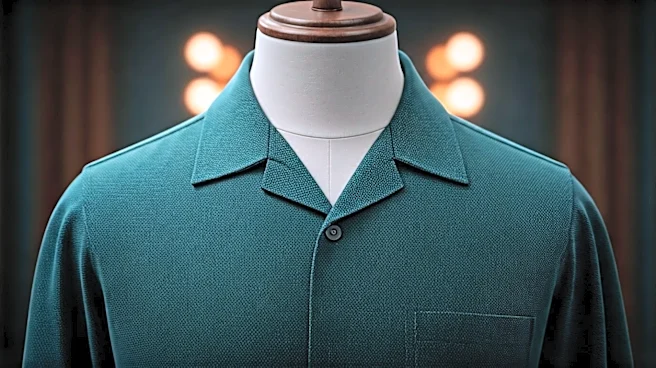
For decades, the camp collar shirt—distinguished by its flat, open, notch-like collar—has occupied a specific space in the American man’s wardrobe. It’s the shirt you pack for a beach trip, the one you wear untucked with shorts on a sweltering July afternoon.
Its DNA is rooted in mid-century Americana, worn by everyone from Elvis Presley on the set of Blue Hawaii to suburban dads grilling in the backyard. Its defining characteristics were comfort, breathability, and an unapologetically relaxed attitude. It was the antithesis of tailoring; it was unstructured, breezy, and fundamentally informal. To even consider tucking one in felt like a violation of its core purpose.
The Florence Proving Ground
Enter Pitti Uomo, the biannual menswear trade fair held in Florence, Italy. While officially a place for brands and buyers to do business, its real influence for the average person happens outside the exhibition halls. The plaza in front of the Fortezza da Basso becomes an unofficial runway, where editors, buyers, models, and influencers—collectively known as the “Pitti Peacocks”—showcase what’s next in menswear. Trends are born, tested, and broadcast globally from these cobblestones. Unlike a runway show, which presents a designer's singular vision, Pitti street style is a real-world laboratory. It’s how clothes are actually worn, albeit by the most stylish people on the planet. And for the past several seasons, they’ve been conducting a masterclass in elevating the humble camp collar.
The Tailoring Treatment
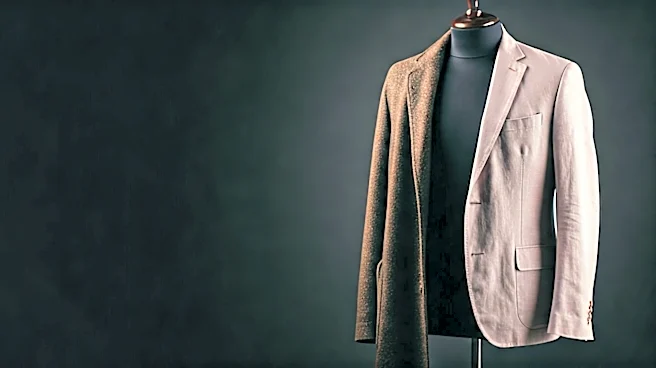
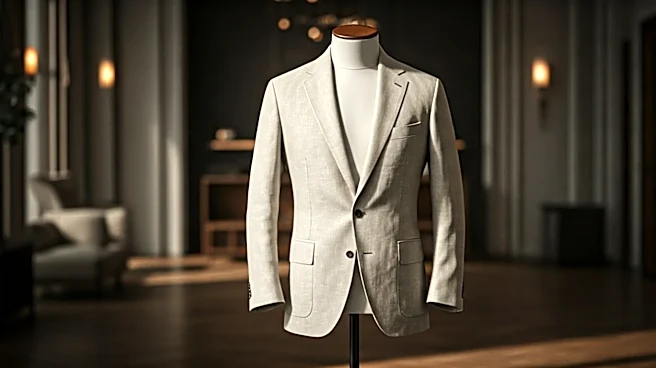
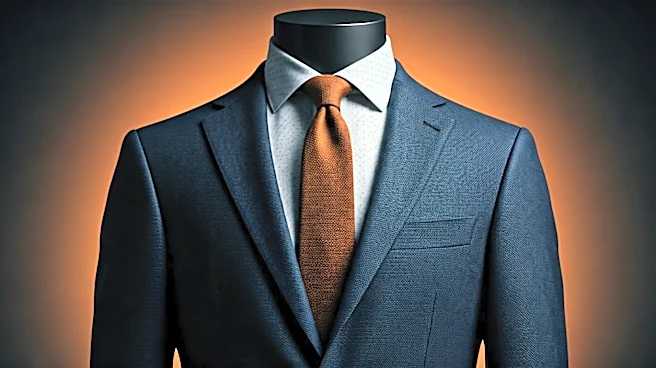
So, how exactly did they pull it off? It wasn’t one single trick, but a collection of sophisticated styling choices. First and foremost, they started tucking it in. But not just into any pants. The Pitti regulars pair their camp collars with high-waisted, pleated trousers in linen, wool, or cotton. This simple act instantly reframes the shirt, creating a clean, deliberate waistline and allowing the relaxed collar to sit perfectly under the chin, almost like a deconstructed dress shirt. The second key move was layering it under tailoring. Instead of a traditional collared shirt and tie, men began wearing silk or linen camp collars under soft-shouldered sport coats and even full suits. The open collar creates a V-shape that elegantly frames the chest, offering a relaxed alternative to the buttoned-up formality of a necktie. This combination bridges the gap between smart and casual, looking polished without feeling stiff.
Fabric, Fit, and Palette
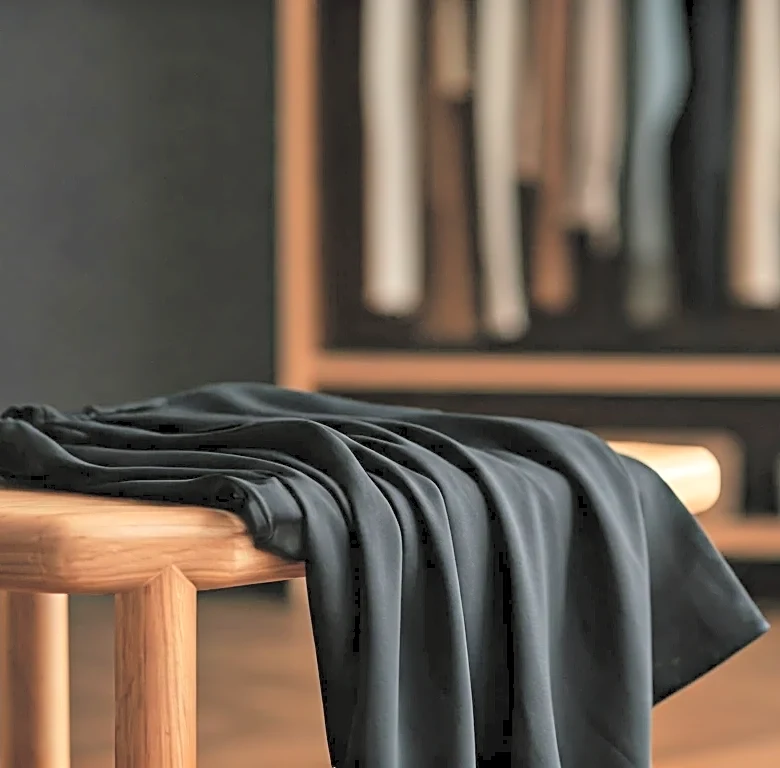
The final pieces of the puzzle are material and color. The loud, kitschy polyester prints of yesteryear have been replaced with luxurious, textured fabrics. Think slubby linens, drapey silks, and fluid Tencel blends that hang beautifully. These materials lend the shirt a sense of substance and expense that a basic cotton version lacks. The fit is also crucial: not tight, but tailored. It skims the body rather than billowing around it. Furthermore, the color palettes have become more refined. Instead of raucous tropical florals, the most stylish iterations appear in solid earth tones, muted pastels, and sophisticated tonal stripes or geometric patterns. It’s less about making a loud statement and more about texture, silhouette, and an air of effortless elegance.
Why This Shift Matters
This evolution isn’t just about a shirt; it’s a reflection of a broader shift in how American men want to dress. The lines between formal and casual have blurred permanently. The suit and tie feel too rigid for many modern offices, while a hoodie and jeans can feel too sloppy. The tailored camp collar look strikes the perfect balance. It’s comfortable, expressive, and undeniably stylish, projecting an image of being put-together without trying too hard. It’s the new uniform for the man who wants to look sharp in a world that no longer demands a tie.