




It’s About Character, Not Teleportation
Remember the final seasons of Game of Thrones? Characters zipped across Westeros in the span of a single scene, turning a continent into a small town. The narrative velocity came at the cost of logic and, more importantly, character development. House
of the Dragon is a direct response to that critique. Its unhurried pace is a tool for building something far more valuable than plot twists: genuine, earned tragedy. The show invests entire episodes in the subtle shifts of a relationship. We don't just see Rhaenyra and Alicent as rivals; we feel the years of their childhood friendship curdling into resentment and suspicion. We witness every slight, every misunderstanding, every forced smile. The show understands that the most devastating wars aren't fought between strangers, but between people who once loved each other. By taking its time, House of the Dragon allows that emotional rot to set in, making the eventual conflict feel not just dramatic, but heartbreakingly inevitable.
Politics is a Long, Grinding Game
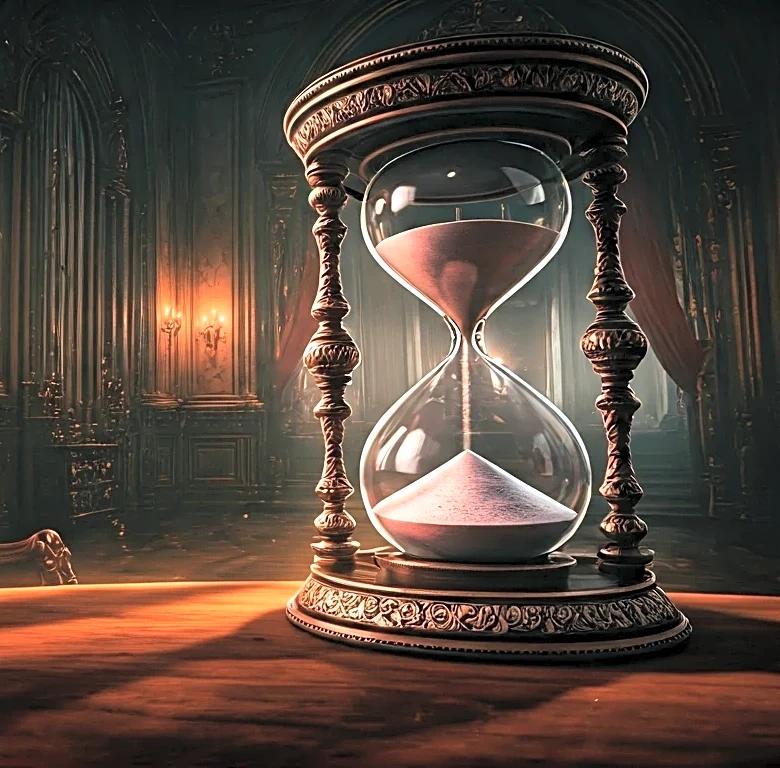
At its core, House of the Dragon is a political drama masquerading as a fantasy epic. The story isn't about a single battle for the Iron Throne; it's about the decades-long decay of a dynasty. This kind of political erosion doesn't happen overnight. It’s a death by a thousand cuts: whispers in hallways, strategic marriages, calculated insults at feasts, and the slow, steady consolidation of power. The infamous time jumps, while occasionally jarring, serve this exact purpose. They allow the show to demonstrate the long-term consequences of short-term decisions. A lie told in episode three festers for a decade before blooming into a full-blown political crisis in episode seven. King Viserys’s physical decline is a perfect visual metaphor for the health of his kingdom—slowly falling apart piece by piece, with everyone pretending not to notice until it's too late. The “slow burn” isn’t a lack of action; it’s the show depicting the grinding, patient, and often boring work of political maneuvering, which makes the eventual chaos all the more potent.
Earning the Explosive Payoff
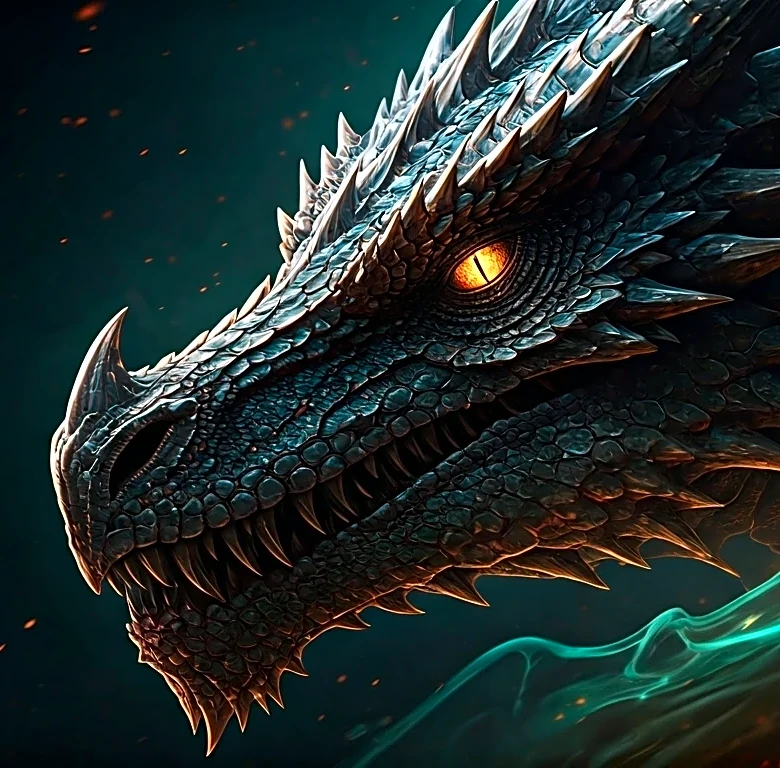
Great television understands tension and release. A story that is all climax is ultimately exhausting and weightless. The power of House of the Dragon's biggest moments comes directly from the deliberate, meticulous setup that precedes them. Vhagar’s terrifying attack on Arrax in the Season 1 finale is a perfect example. That single, cataclysmic event wasn't just a dragon fight; it was the culmination of ten episodes of simmering family hatred, childish taunts, and broken loyalties. Without the slow burn, Luke's death would be just another shocking GoT-style moment. But because we’ve spent hours watching the Targaryen-Hightower rift widen, the incident lands with the force of a historical turning point. It's the point of no return, the spark that ignites a continent-spanning fire. The show forces you to sit in the suffocating tension of the cold war so that when the shooting starts, you feel the true weight of it. That payoff is only possible because the show had the discipline to earn it.
A Welcome Return to Form
Ultimately, the pacing of House of the Dragon feels like a confident return to what made the early seasons of Game of Thrones so compelling. It's a show that respects its source material—George R.R. Martin’s Fire & Blood is written as a history, not a traditional novel—and trusts its audience to appreciate nuance and foreshadowing. It's not interested in delivering a shocking moment every week. Instead, it’s building a world and a cast of characters so rich that when the inevitable violence erupts, it matters. It’s a drama about the fall of a house, and like any real-life collapse, it happens gradually, then all at once. The show simply had the wisdom to show us the "gradually" part.