

The Uniform of Elegance
For decades, the men's red carpet was a sea of uniformity, and the tuxedo was its undisputed admiral. Born in the late 19th century as a rebellious, more comfortable alternative to the stuffy tailcoat, the tuxedo quickly became the symbol of masculine
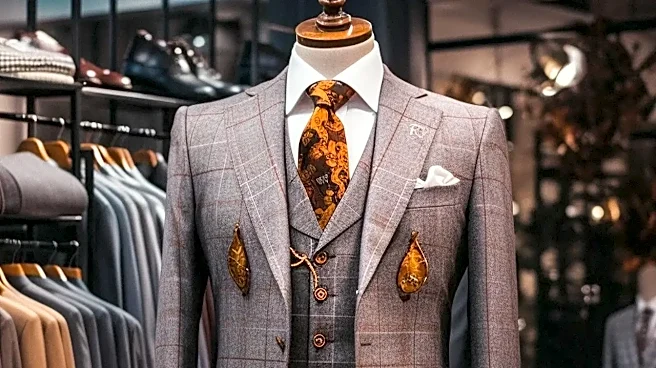
refinement. By the mid-20th century, Hollywood had cemented its status. Icons like Cary Grant and Sean Connery's James Bond turned the tuxedo into an extension of their charisma—cool, confident, and impeccably composed. The rules were simple and rarely broken: black jacket, white shirt, black bow tie. It was a uniform that signaled respect for the occasion and an adherence to a shared standard of elegance. This is the ideal many associate with a certain generation of leading men, where the goal wasn't to stand out, but to fit in, perfectly.
The First Cracks in the Armor
The tuxedo's reign was never entirely absolute. Subtle rebellions have always flickered at the edges of formalwear. In the 1940s, Humphrey Bogart popularized the white dinner jacket for warmer climates, a stylish deviation from the all-black standard. The 1970s, a decade of bold self-expression, saw lapels widen, colors creep in, and fabrics like polyester and velvet make an appearance. These moments, however, were often exceptions that proved the rule. The classic silhouette largely held its ground. More recently, stars began testing the boundaries with slightly more creativity, such as wearing mismatched suit trousers and jackets or adding a floral pin to a lapel. These were the first signs that the rigid code was beginning to soften, paving the way for a more dramatic shift.
The New Guard Rewrites the Rules
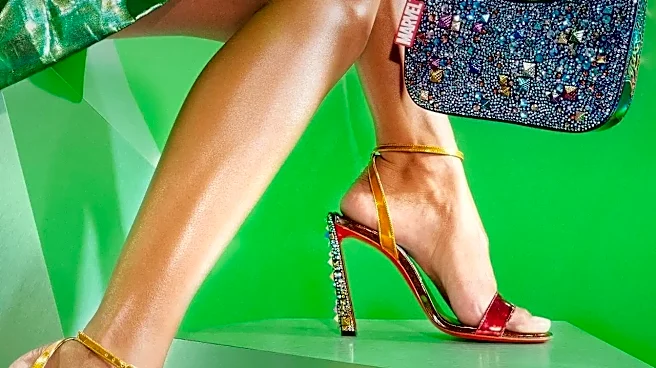
Enter the Millennial and Gen Z stars who view the red carpet not as a place for conformity, but as a platform for personality. For actors like Timothée Chalamet, the suit is a starting point, not a final destination. He's appeared in a backless halter top, a sparkly Louis Vuitton suit worn without a shirt, and even a much-discussed harness. This approach is shared by figures like Billy Porter, who made headlines with a velvet tuxedo gown, intentionally blurring the lines between masculine and feminine dress codes to spark a conversation. These choices are deliberate, reflecting a broader cultural shift. Gen Z's fashion sense is shaped by social media, where individuality is prized, gender is seen as fluid, and personal branding is paramount. For this generation, clothing is a tool for self-expression, not an obligation to tradition.
More Than Just a Suit
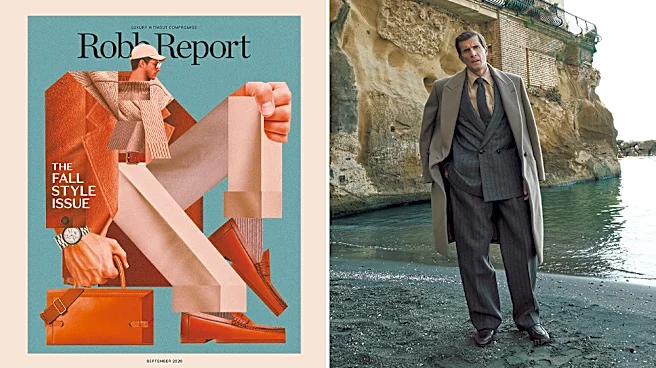
The collision between these generational ideas isn't really about killing the tuxedo. Instead, it's about expanding its definition. The classic black suit still appears, but it no longer holds a monopoly on what constitutes acceptable formalwear. The new, expressive approach seen in younger stars reflects a broader questioning of traditional masculinity. Stylists and actors are less concerned with whether a look is “too feminine,” focusing instead on creativity and impact. This freedom allows for a much richer and more diverse red carpet, where a timeless tuxedo worn by one star can exist alongside a boundary-pushing, gender-fluid creation on another. The suit has evolved from a symbol of status and conformity into a canvas for identity. As one stylist noted, the era of being seen as masculine only if you wear a specific suit is over.