



Minimalism: The Art of 'Less But Better'
Minimalist dressing is, first and foremost, an intentional aesthetic philosophy. Born from the 'less is more' movements in art and architecture, it's about stripping away excess to focus on what truly matters: form, quality, and function. Someone embracing
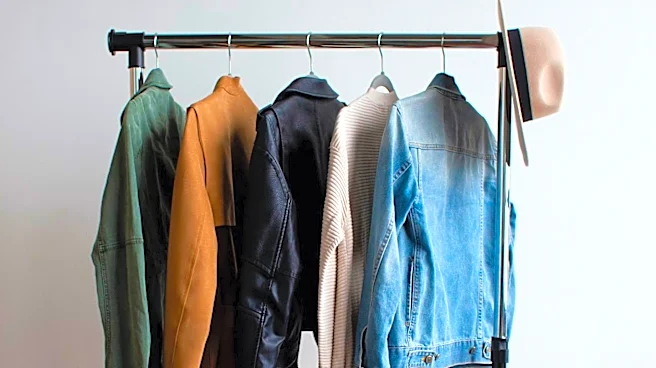
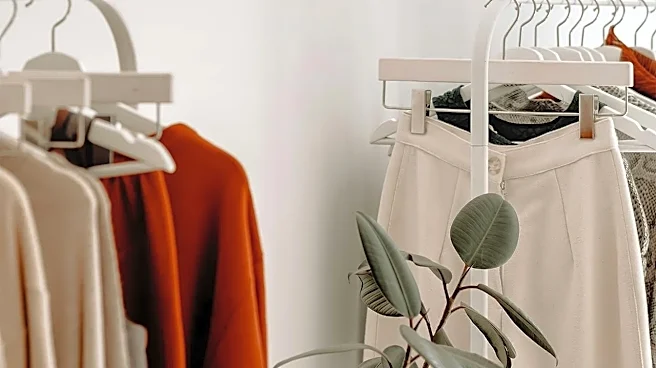
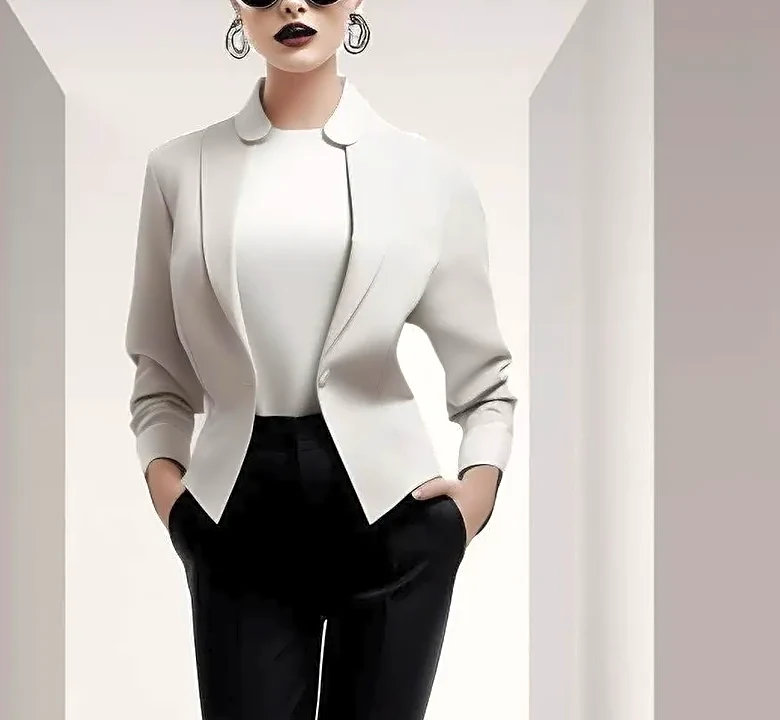
minimalism doesn't just wear 'simple' clothes; they curate a collection of high-quality, often timeless pieces where every item serves a purpose. The focus is on the precision of a cut, the feel of a superior fabric, and a harmonious, neutral color palette. Think of a perfectly tailored blazer, a well-cut white shirt, or trousers in a luxurious material. It’s not about having fewer clothes for the sake of it, but about creating a cohesive, versatile wardrobe that exudes quiet confidence and control. Psychologically, minimalism is a power move. It signals clarity, focus, and a rejection of the chaotic, trend-driven cycle of fast fashion. It’s a choice that says, 'I am in control, and my taste is deliberate'.
Visual Withdrawal: The Desire to Disappear
Visual withdrawal, on the other hand, is not an aesthetic—it’s a behavior. The motivation isn't to create a powerful, curated look, but to deflect attention and reduce social friction. It’s about using clothing as a form of camouflage in a social environment. The goal is to go unnoticed, to blend in so effectively that you become part of the background. This often manifests as wearing non-descript, ill-fitting, or generic clothing in muted colors like grey and navy—not because they are part of a chic, neutral palette, but because they are unremarkable. As one writer noted, the incentive can be to control what others see by 'presenting nothing to see'. This isn't about looking 'bad', but about looking so average that the eye just slides past. The psychology here is rooted in self-protection, a need for a buffer from the outside world, or a response to feeling overwhelmed. It’s the sartorial equivalent of putting on headphones in a crowd—a tool to create personal space.
The Core Difference: Intention vs. Invisibility
The fundamental difference between these two approaches lies in the 'why'. Minimalist dressing is an active, confident choice. It is a form of self-expression that communicates taste, discipline, and an appreciation for quality. A minimalist gets dressed to feel authentic and in control, using simplicity as a statement. The desired outcome is a look that is sophisticated and quietly powerful. Visual withdrawal is a passive, often subconscious, reaction. It stems from a desire to opt-out of being perceived. The goal is not to express, but to hide. The same outfit—a grey sweatshirt and jeans—could be an example of either. On a minimalist, the sweatshirt might be a perfectly cut, high-quality cashmere piece paired with impeccably fitting dark-wash denim. It’s deliberate. On someone practicing visual withdrawal, the same items might be faded, poorly fitting, and chosen specifically because they won't draw a second glance.
The Power of How Clothes Make You Feel
The concept of 'enclothed cognition' explains that the clothes we wear have a systematic influence on our own psychological processes. What we wear affects how we think, feel, and act. A minimalist's wardrobe, full of well-made, structured pieces, can reinforce feelings of competence and confidence. It’s a form of power dressing rooted in self-assurance. Conversely, dressing to be invisible can create a feedback loop. While it might provide temporary relief from social anxiety, it can also reinforce a sense of not wanting to be seen or engaged with. It’s choosing clothes to match a mood rather than to enhance it. Neither approach is inherently 'right' or 'wrong', but understanding your own motivations is key. Are you dressing to feel capable and streamlined, or are you dressing to avoid the day?