

The Art of the Hidden Joke
An Easter egg, in the world of media, is a hidden message, inside joke, or cultural reference planted for eagle-eyed viewers to find. While they appear across all genres, Halloween episodes provide the perfect canvas for creators to go all out. The very
nature of the holiday—costumes, fantasy, and a touch of the absurd—gives writers and directors a free pass to stuff their episodes with loving homages to horror classics, obscure pop culture, and even inside jokes that only dedicated fans will catch.
The Gold Standard: 'Treehouse of Horror'
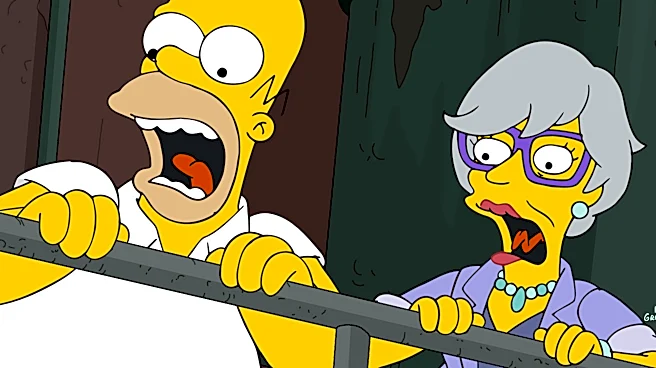
You can't talk about this phenomenon without paying respect to the original and undisputed champion: The Simpsons' annual "Treehouse of Horror" episodes. Since 1990, these non-canon anthologies have served as a masterclass in the art of the Easter egg. Each segment is built on parody, from classic Twilight Zone plots to Stanley Kubrick films and modern horror hits. The fun isn't just in the story; it's in spotting the dozens of visual gags and referential details crammed into every frame, a tradition so dense that even Guillermo del Toro once directed an opening sequence packed with his own favorite horror iconography. This tradition has been running for so long that some of the original references have themselves become historical artifacts.
The Character-Driven Treasure Hunt
For shows built on meta-commentary, Halloween is a playground. Take Community, a series famous for its genre-bending episodes. Its Halloween specials, like the zombie-movie-parody "Epidemiology," use horror tropes not just for laughs, but to drive the story and reveal character. The episode is a treasure trove of references, but the real reward is seeing how the study group's neuroses play out in a high-stakes, ridiculous scenario. Similarly, Brooklyn Nine-Nine's annual "Halloween Heist" became the show's most anticipated running gag. The prize wasn't just finding out who won the elaborate competition, but watching the intricate web of callbacks, double-crosses, and character-specific jokes that the writers wove into each installment. The heist became a story-generating engine, rewarding long-time viewers with every twist.
The Psychology of the Second (and Third) Viewing
So why does this make us hit "play again"? Psychologically, rewatching familiar shows is comforting. It provides a sense of predictability and control in a chaotic world. But Easter eggs add another, more active layer to this experience. They gamify the rewatch. The first time you watch, you're following the plot. The second time, you're hunting for details. Spotting a hidden reference feels like being let in on a secret, creating a bond between you and the creators. It rewards your attention and makes you feel like part of an exclusive club that "gets it." This turns passive viewing into an active, engaging treasure hunt, deepening your attachment to the characters and the show's universe.
A Modern Marvel in the Streaming Age
This tradition is alive and well in the age of streaming, where pausing and screenshotting has made Easter egg hunting a communal sport. Marvel's WandaVision is a perfect example. Its Halloween episode, "All-New Halloween Spooktacular!", was a masterwork of layered meaning. The characters' costumes weren't just costumes; they were direct references to their comic book origins, providing massive clues for fans about the characters' true natures and the show's future direction. The episode cleverly parodied 2000s sitcoms like Malcolm in the Middle while dropping hints in the background about the larger, darker plot at play, making it a critical piece of the season's puzzle.