

From Ivy Halls to Main Street
The 1970s were a loud decade. Between the lingering psychedelic haze of the 60s and the high-shine glamour of disco, fashion was anything but quiet. Yet, on the manicured campuses of the Ivy League and in the coastal towns of New England, a different
aesthetic was brewing. It wasn't a trend; it was a uniform rooted in tradition and utility. This was the heartland of preppy style, a look defined by what it wasn't: not flashy, not rebellious, not disposable. It was built on staples borrowed from leisure sports—rugby shirts, tennis sweaters, boat shoes, and chinos. These weren't clothes for making a statement, but for living a certain kind of life, one filled with sailing, tennis, and weekends in the country. This early iteration of prep was insular and inherited, a quiet code of belonging for America's upper crust.
The Sportswear Revolution
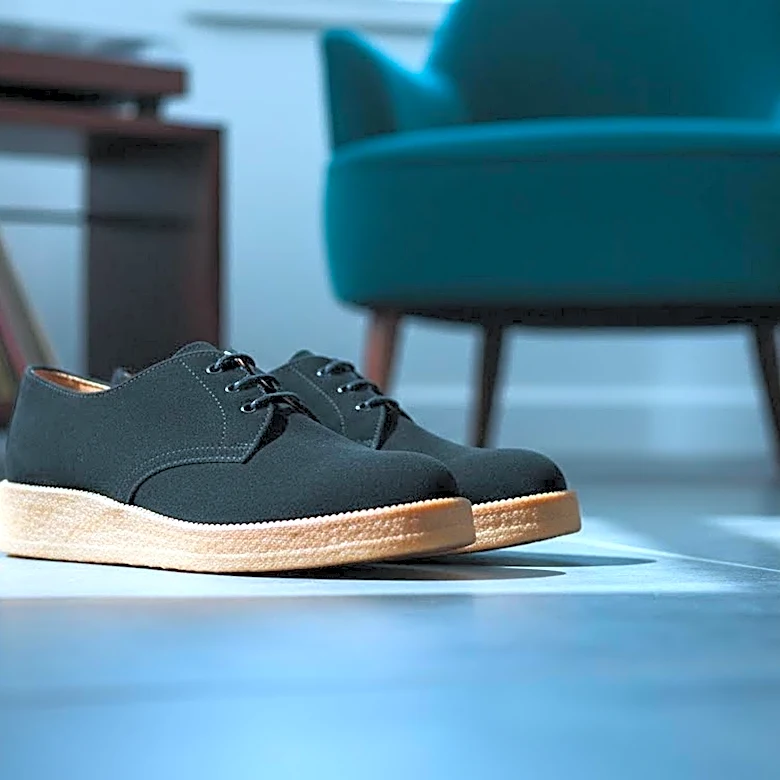
The secret to preppy's eventual world domination was its foundation in sportswear. Unlike the restrictive fashions of previous eras, these were clothes designed for movement and comfort. The polo shirt, originally designed for the tennis court, was breathable and versatile. Sperry Top-Siders were made to grip a wet boat deck, and L.L. Bean boots were for trudging through mud and snow. This inherent practicality was revolutionary. As the 1970s fitness boom took hold, wearing athletic clothing outside the gym became more common. The preppy uniform, already perfected for a life of active leisure, was perfectly positioned to ride this wave. It offered a put-together alternative to a tracksuit, blending comfort with a sense of classic, respectable style.
Ralph Lauren Sells the Dream
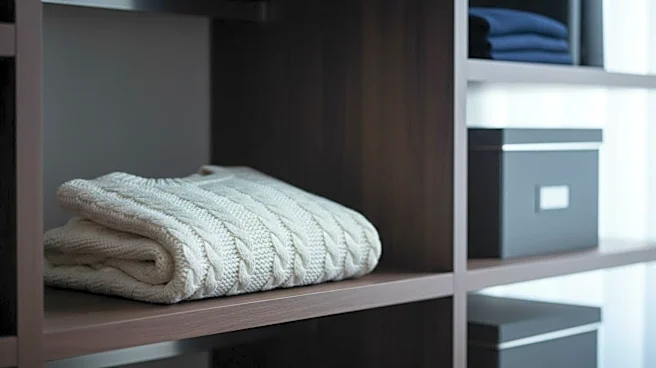
One man, more than any other, saw the potential to package this niche aesthetic for the masses: Ralph Lauren. Lauren, who started by designing wide neckties in the late 60s, didn't invent the preppy look, but he perfected its narrative. He took the individual components—the Oxford shirt, the cable-knit sweater, the iconic polo with its embroidered pony—and built an entire world around them. His ad campaigns sold an aspirational American dream of stately homes, polo matches, and effortless elegance. He democratized the look, making it possible for anyone, not just those with an Ivy League pedigree, to buy into the lifestyle. By turning clothes into a story, Ralph Lauren transformed preppy from a regional subculture into a national identity.
The '80s and the Preppy Explosion
If the 70s laid the groundwork, the 1980s were when preppy went supernova. The 1980 publication of "The Official Preppy Handbook" served as both a satirical guide and a cultural bible, blowing the doors off this once-closed world. With its tongue-in-cheek instructions on everything from acceptable nicknames to how to properly pop a polo collar, the book made preppy an accessible—and highly desirable—trend. The look became the uniform of the upwardly mobile "yuppie" and a staple in movies from "The Breakfast Club" to "Heathers," where it was used to signify everything from wholesome charm to villainous conformity. Brands like Lacoste and Izod became household names, and the style spread from New England across the country, adapting to new climates and cultures.
An Enduring Legacy
Decades later, the DNA of 1970s preppy sportswear is everywhere. Its influence can be seen in the rise of athleisure, which blurs the line between athletic and everyday wear—a concept prep pioneered. It lives on in the minimalist, quality-focused ethos of direct-to-consumer brands and the enduring appeal of "quiet luxury." The core tenets—timeless design, functional comfort, and durable quality—have proven to be a powerful and endlessly adaptable formula. From the casual Friday uniform of the 90s to the modern embrace of classic, versatile wardrobes, we are still living in a world shaped by those unassuming boat shoes, chinos, and polo shirts. The quiet sportswear of the 70s didn't have to shout to be heard; its influence became a permanent part of the American style vocabulary.