






The Slow Unraveling of Lore
At first glance, the plot of a slasher film seems simple: a masked killer, a group of teens, and a series of creative demises. But across a dozen films, even the most straightforward franchises develop a surprisingly dense mythology. Watching in order
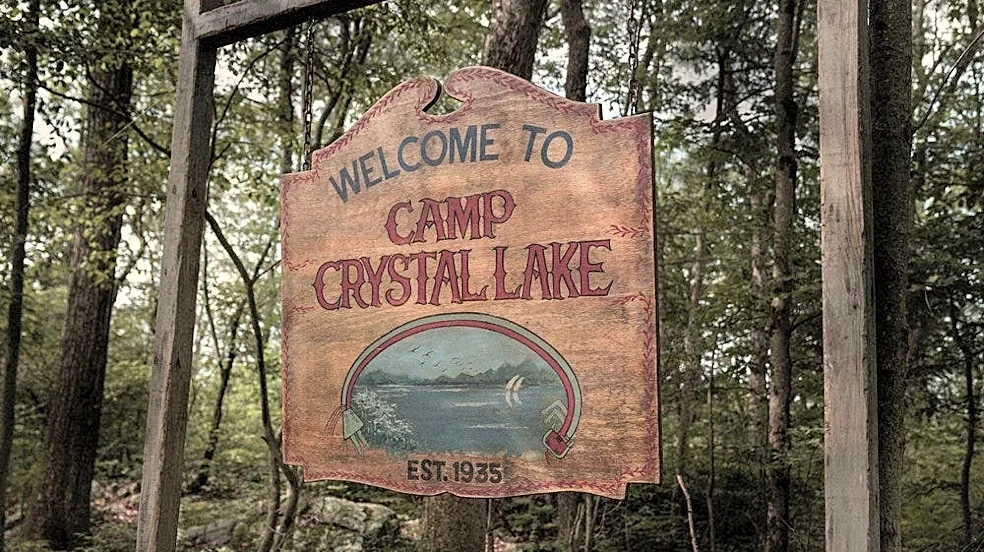
allows fans to piece together the complete puzzle. How did Jason Voorhees go from a supposedly drowned boy to a hulking, unstoppable revenant? The journey from a grieving mother's rampage in the original 'Friday the 13th' to Jason picking up his iconic hockey mask in 'Part III' is a crucial piece of fan knowledge. Similarly, the 'Halloween' franchise has multiple branching timelines exploring the nature of Michael Myers' evil, from a simple, terrifying man to a figure in a supernatural cult. Missing an installment, even a critically panned one, means missing a piece of the lore that informs the entire series.
The Evolution of the Monster
Horror villains are rarely static. They change, adapt, and sometimes even gain a personality over time. Freddy Krueger of 'A Nightmare on Elm Street' started as a terrifying, shadowy dream demon before evolving into a wise- cracking antihero beloved for his dark humor. This transformation is the core of the sequels' appeal. Watching in order allows viewers to witness this evolution firsthand. The killers are often the main characters of their respective series, with the protagonists serving as disposable foils. Fans don't just show up for the kills; they show up to see how their favorite monster has changed. Does the killer get a new weapon? A new weakness? Do they face off against a rival? Each sequel adds another layer, and watching them out of order is like reading chapters of a book at random.
The Saga of the 'Final Girl'
While the killers are the marquee attraction, the soul of many slasher franchises lies with the 'final girl'—the last one left standing to confront the evil. Characters like Laurie Strode from 'Halloween' or Sidney Prescott from 'Scream' are not just one-off survivors; they have multi-film arcs that are as compelling as the villains they fight. Their journey is one of trauma, resilience, and transformation from victim to warrior. Watching Laurie's story from her first encounter with Michael in 1978 to their subsequent battles decades later provides a powerful narrative thread that would be completely lost otherwise. The 'Scream' series, in particular, is built around the core group of survivors, making chronological viewing essential to understanding their relationships and shared history.
The Comfort of the Ritual
Ultimately, the insistence on watching in order is about more than just plot. It is a ritual. Slasher franchises offer a strange kind of comfort; you know the basic formula, which allows you to appreciate the small variations. Will the kills be more inventive this time? Will the final chase be more suspenseful? For fans, even the 'bad' sequels have their charms—be it questionable 80s fashion, a bizarre plot twist, or an absurd setting (like Jason in space). It's a shared experience, a communal appreciation for the entire, messy, bloody history of a horror icon. Skipping a movie isn't just missing a plot point; it's breaking the tradition and disrespecting the journey.