


The Rise of the ‘Un-Haircut’
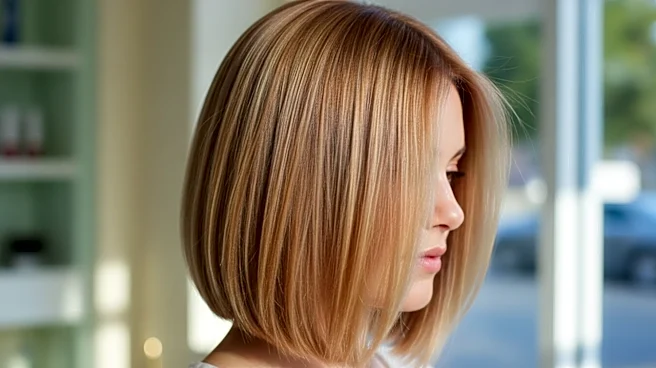
Sometime in the last decade, a specific haircut began to dominate red carpets and city streets alike: the lob. Grazing the collarbone or sitting just above the shoulders, it was the perfect compromise for those who found long hair tedious but a traditional
chin-length bob too severe. It offered the polish of a classic bob with the versatility of longer hair, creating a chic, low-maintenance solution that seemed to suit almost every face shape. Popularized by celebrities, the lob became the go-to for a modern, fresh look without the commitment of a drastic chop. Its appeal was rooted in its balance; it was a style that looked intentional and put-together, yet effortlessly cool and adaptable.
A New Market for 'Effortless' Texture
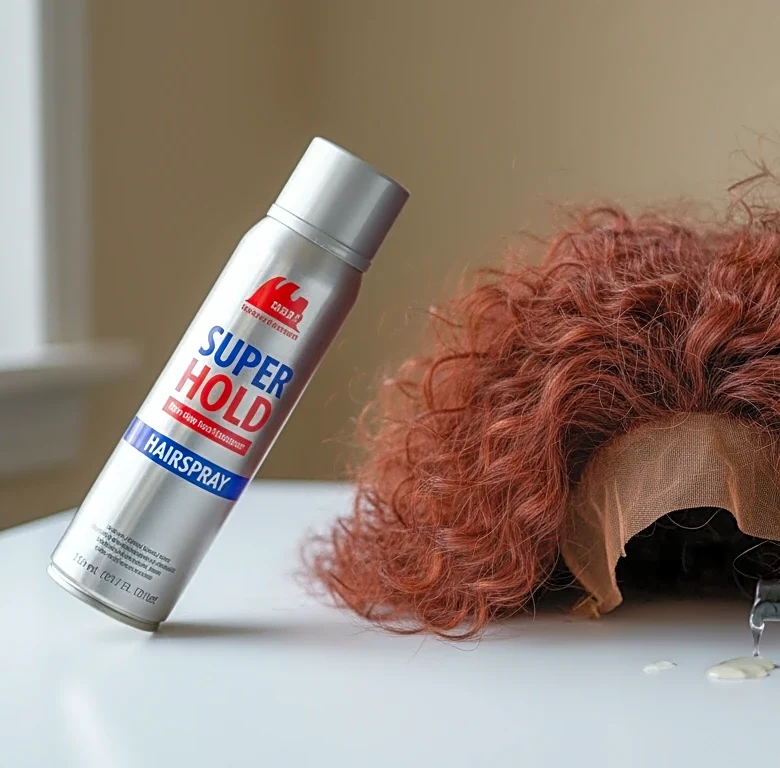
The lob's signature look is often described as “perfectly imperfect” or “undone.” This wasn't a style that required stiff hairspray or perfect curls. Instead, it thrived on movement, soft waves, and a lived-in feel. This aesthetic created a massive demand for a new category of styling products. Suddenly, texturizing sprays, sea salt mists, and wave sprays became bathroom staples. Brands rushed to formulate products that could deliver that coveted messy-chic look straight from a can. Dry shampoo also saw its status elevated from a simple cleaner to a styling essential, used to add grit and volume to second-day lobs. The goal was no longer to smooth hair into submission but to enhance its natural bend and create touchable, piecey definition.
The Salon and Styling Tool Shift
The lob trend didn't just change what we bought; it changed how we styled our hair and what we asked for at the salon. The go-to hot tool became the 1.5-inch curling iron or a flat iron, not for creating tight ringlets, but for adding a subtle “bend” to the hair, leaving the ends straight for a more modern finish. At the salon, requests for sharp, severe bobs were replaced by demands for textured cuts with subtle layers to encourage movement. The lob also championed coloring techniques like balayage and sombré (soft ombré), which grew out gracefully and enhanced the haircut’s dimensional, low-maintenance appeal. Stylists focused less on rigid perfection and more on creating a versatile base that looked great with minimal effort.
The Lasting Legacy of Lived-In Hair
More than just a haircut, the lob represented a broader cultural shift toward an ideal of relaxed, attainable beauty. It was the hair equivalent of “no-makeup makeup”—a look that appears effortless but is often supported by a clever routine and specific products. While the bob has a long history as a symbol of rebellion and liberation, the modern lob captured a different kind of freedom: the freedom from trying too hard. It rejected the notion that polished hair had to be perfectly coiffed or that long hair was the only standard of elegance. Even as trends evolve toward shaggier cuts or back to blunt bobs, the lob’s influence persists. It normalized texture, cemented the role of styling sprays in our daily routines, and left a lasting impression that great hair can be both beautiful and easy-going.