

The Unicorn in a Sea of Folk
The stage was set for a special all-female finale curated by Brandi Carlile, billed simply as “The Collaboration.” It had already featured a parade of talent, including Carlile's supergroup The Highwomen, Sheryl Crow, and Maggie Rogers. But as the set neared
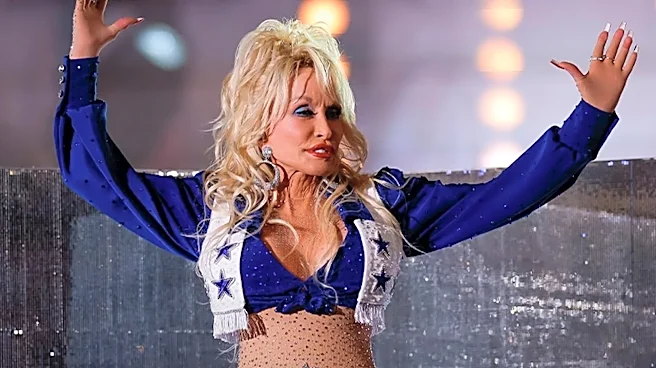
its climax, Carlile, practically bursting with excitement, introduced a surprise guest she called the “incomparable unicorn legend.” Out walked Dolly Parton. The crowd at Fort Adams State Park erupted. What followed was a masterclass in joyful collaboration, as Parton joined The Highwomen for “Eagle When She Flies,” duetted with Carlile on a tender “I Will Always Love You,” and led an all-star jam of “9 to 5” that sent waves of pure joy across the harbor. It was more than a great guest spot; it was a quintessential Newport moment, where the impossible feels suddenly, gloriously real.
A Tradition of Upheaval
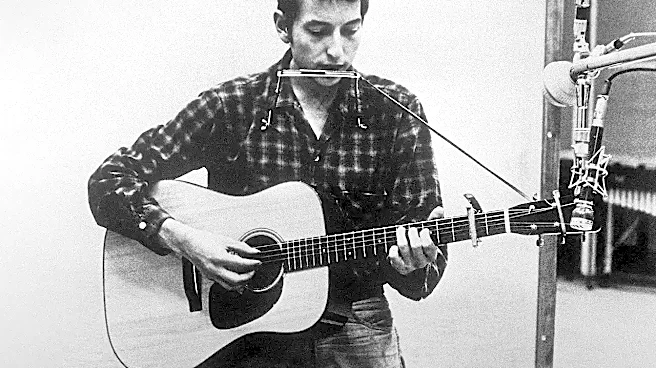
To understand why the Parton surprise resonated so deeply, you have to look back. Newport’s reputation is built on a foundation of seismic shocks to the system. The most foundational myth, the one that still echoes decades later, happened in 1965. Bob Dylan, the anointed king of the folk revival, walked on stage with a Fender Stratocaster and an electric band. The ensuing performance of “Maggie’s Farm” was met with a chaotic mix of cheers and boos, an act so divisive it’s said that folk icon Pete Seeger wanted to cut the power cables. That moment was a declaration of independence for Dylan and a turning point for popular music. It established Newport not as a museum for tradition, but as a live laboratory where history is made, sometimes loudly and contentiously.
The Legendary Returns
The festival’s modern era has seen this surprise factor become its most beloved feature, often involving artists whose Newport history is the stuff of legend. In 2022, Brandi Carlile once again played the role of master curator. After her set, the stage was transformed into a living room scene, and the guest of honor was revealed: Joni Mitchell. It was Mitchell’s first full public performance in two decades and her first return to the Newport stage since 1969. Seated on a gilded chair, surrounded by a community of loving musicians, Mitchell sang her timeless songs, even playing a guitar solo. It was a moment of profound, tear-jerking resurrection, proving the festival’s power to not just create new legends, but to welcome back its icons for unforgettable second acts. The same year, Paul Simon also made a surprise appearance, adding to the weekend's historic feel.
Why the Surprise Still Matters
In an age of curated social media feeds and algorithm-driven music discovery, the Newport surprise is a radical act. It rewards the faithful who buy tickets without knowing the full lineup, fostering a unique sense of community and shared discovery. It’s an antidote to the predictable, pre-packaged nature of many large-scale music events. The festival’s bookers create an environment where collaboration is paramount, and artists often stay for the whole weekend, popping up in each other’s sets. This ethos has trickled down through the years, creating an atmosphere where anything feels possible, whether it's Johnny Cash introducing a young Kris Kristofferson in 1969 or Hayley Williams hosting an all-star jam with Jack Antonoff and Jenny Lewis in 2026. The surprise isn't just a gimmick; it's the festival's soul, a promise that if you show up, you might just witness history.