






The Narrative Demands a Bad Guy
Every great story needs conflict, and there is no greater drama in sports than the World Cup. With billions watching and national pride on the line, the narrative often simplifies into a battle of good versus evil. It’s psychologically easier for fans
to process a heartbreaking loss if there’s a single figure to blame. The media plays a huge role in this, framing events to construct heroes and villains because it makes for a more compelling story. An accidental foul becomes a malicious attack; a tactical decision becomes a cynical ploy. A player doesn’t just make a mistake; he becomes the man who cost his country everything. This storytelling impulse is a powerful force in shaping a player's public image, often permanently.
The Anatomy of a Villainous Act
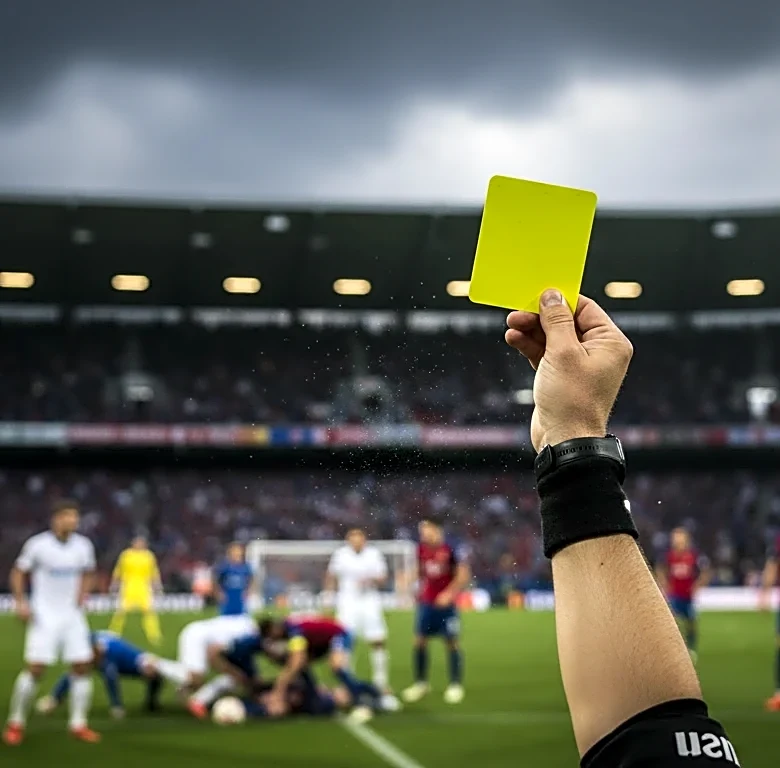
Not all fouls are created equal. The moments that create World Cup villains are legacy-defining because they feel like a profound violation of sportsmanship. Consider Zinedine Zidane’s headbutt in the 2006 final. In the last match of a legendary career, with the world watching, he responded to verbal provocation from Marco Materazzi with an act of shocking violence. France lost, and Zidane’s final image was one of disgrace. Or think of Luis Suárez’s deliberate handball on the goal line to deny Ghana a certain winner in the 2010 quarterfinals. He was red-carded, but Ghana missed the subsequent penalty, and Uruguay advanced. Suárez celebrated, cementing his role as a hero in Uruguay and a villain across an entire continent. These acts are memorable because they are cynical, violent, or both—a betrayal of the game's spirit on its biggest stage.
Nationalism and Point of View
Who is considered a villain often depends entirely on which country you’re cheering for. Diego Maradona’s infamous “Hand of God” goal against England in the 1986 quarterfinal is the ultimate example. In Argentina, it was a moment of cunning genius, symbolic revenge for the Falklands War just four years prior. Maradona was a hero. In England, it was blatant cheating that robbed them of a fair chance. He was a cheat. The incident shows how national identity and historical context shape perception. An opponent’s sacrificial hero is almost always your nation’s number one villain. This dynamic is supercharged in the World Cup, where sport becomes a stand-in for national competition.
The Unbearable Pressure of the Global Stage
The World Cup is an event of almost unbearable pressure. Players carry the hopes and dreams of millions, and every action is scrutinized in real-time around the globe. This intense spotlight amplifies every decision. A split-second reaction, a loss of temper, or a moment of poor judgment can follow a player for the rest of their career. Many of the most infamous moments, like Zidane's headbutt or Nigel de Jong's 'karate kick' challenge in the 2010 final, happen in the crucible of extra time or a tense final, when physical and mental exhaustion is at its peak. It's in these high-stakes moments that the line between hero and villain becomes perilously thin, and a single misstep can define a legacy.