





A Legacy of Cramped Chaos
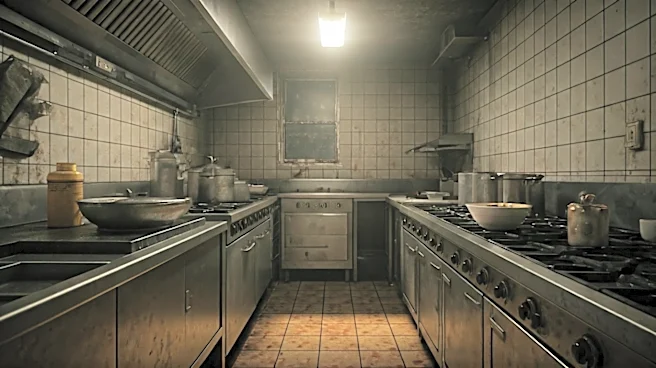
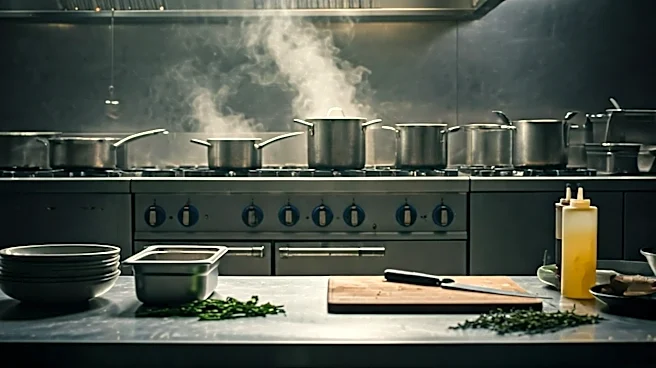
Let’s start with a callback to The Original Beef of Chicagoland. That first kitchen wasn’t just a workspace; it was a pressure cooker designed for maximum friction. The cramped quarters and illogical flow were a perfect physical manifestation of the characters'
internal states: cluttered with unresolved grief, history, and resentment. Characters physically collided, forcing confrontations. The tight space meant no one could escape the heat, literally or emotionally. Every shout of “Corner!” or “Behind!” was a small negotiation for space and a reminder of their constant, claustrophobic proximity. That layout didn’t just create stress; it revealed character under duress and forced an intimacy that was often uncomfortable but undeniably compelling. It was the physical embodiment of the mess Michael Berzatto left behind.
The Fine-Dining Blueprint
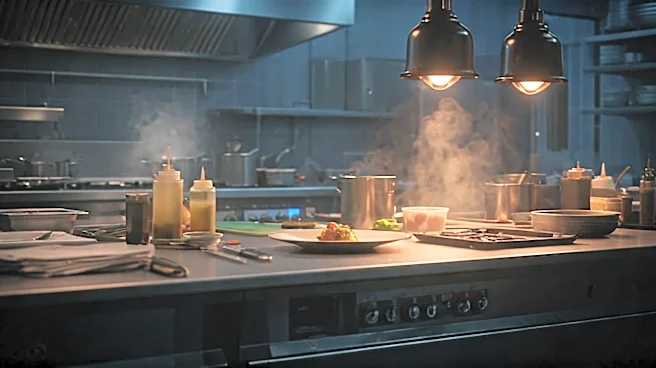
The renovation into 'The Bear' in later seasons was Carmy's attempt to impose order on that inherited chaos. By knocking down walls and creating an open kitchen with clear stations and a French brigade system, he was building a physical representation of his fine-dining ideals: control, precision, and excellence. The new layout created a different kind of narrative tension. The open design put the chefs on display, turning every service into a performance under the watchful eyes of both diners and each other. This new space had its own narrative traps, like the notoriously faulty walk-in refrigerator that became a literal cold box of Carmy’s anxieties. The layout represented a dream of perfection, but it also became a pristine new cage where the pressures were different, but no less intense.
The Final Season's Storytelling Space
The fifth and final season, which sees Sydney, Richie, and Sugar take the lead after Carmy steps away, uses its setting to push the story to its conclusion. The restaurant we see in the finale isn't radically different, but how the characters move within it tells the whole story. The drama unfolds over a single day, plagued by a storm that mirrors the internal and external crises. With Carmy no longer at the center, the pass becomes Sydney’s command post, a visible transfer of power. Richie commands the dining room with a newfound grace, his space now a domain of hospitality, not conflict. The layout, once a source of division, finally becomes a stage for true collaboration as the team bands together to survive one last, impossible service and ultimately earn two Michelin stars.
Architecture as Character Arc
Ultimately, the evolution of the restaurant's floor plan is a map of the characters' growth. They started in a space defined by claustrophobia and ghosts. They evolved into a space defined by high-stakes ambition and the pursuit of an impossible standard. In its final form, the restaurant becomes something else entirely: a home. The focus shifts from the perfection of the physical space to the resilience of the people within it. The finale suggests that the 'perfect' restaurant isn't about flawless design or even flawless food, but about the found family that makes it run. Carmy, now exploring an interest in architecture, has literally passed the blueprints to his partners, who have learned that the foundation of The Bear was never drywall and steel, but themselves.