




The Player Safety Debate
At the heart of the debate is a simple, urgent plea from athletes: they believe artificial turf is dangerous. The NFL Players Association (NFLPA) has been vocal, citing data that suggests a significantly higher rate of injuries on synthetic surfaces.
According to the NFLPA, players have a 28% higher rate of non-contact lower extremity injuries on turf. The numbers for specific injuries are even more alarming, with a 32% higher rate of non-contact knee injuries and a staggering 69% higher rate of non-contact foot and ankle injuries on turf compared to grass. The argument is rooted in physics: natural grass has give. When a player plants their foot to make a hard cut, the sod can tear, absorbing force that would otherwise go straight to a player’s joints. Artificial surfaces, players argue, don't release a cleat the same way, leading to devastating, season-ending injuries.
The Business of Turf
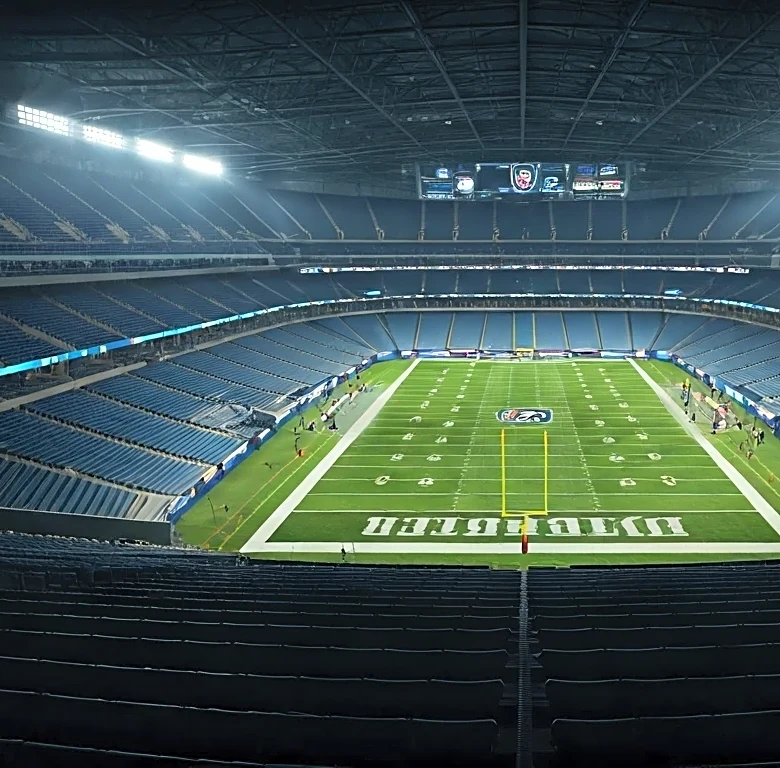
If players almost universally prefer grass, why do so many stadiums use artificial turf? The answer, as it often is, comes down to money and practicality. Artificial turf is a stadium owner's dream. It’s incredibly durable, requires far less maintenance than a natural grass field, and doesn't need water, fertilizer, or pesticides. A turf field can withstand the rigors of an NFL season, host a Major League Soccer team, and then accommodate a massive concert tour, all without turning into a mud pit. This versatility means more events and more revenue. For teams in harsh climates or with domed stadiums, keeping a natural grass field pristine year-round is a monumental and costly challenge. While the upfront cost of turf is high, the long-term savings on maintenance and the increased booking opportunities often make it the more attractive business decision.
The World Cup Changes Everything
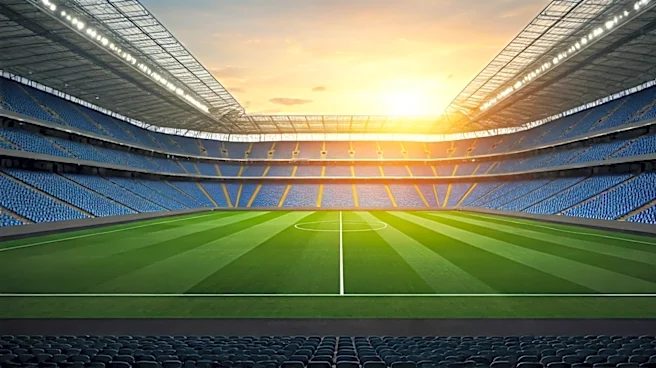
The simmering debate is coming to a head thanks to the 2026 FIFA World Cup. FIFA, soccer's global governing body, has a strict rule: all World Cup matches must be played on high-quality natural grass. This has forced several NFL stadiums across the U.S. that currently use artificial turf to undertake massive, multi-million dollar conversions. Venues like MetLife Stadium in New Jersey, host of the final, are ripping out their turf and installing complex, layered natural grass systems complete with sophisticated irrigation and ventilation. This massive undertaking has not been lost on NFL players, who are pointing to the World Cup preparations as definitive proof that converting to grass is not only possible, but achievable on a grand scale. The players' argument is simple: if teams are willing to do it for soccer stars, why not for their own athletes?
A High-Tech Hybrid Future?
The grass being installed for the World Cup isn't just your backyard lawn. It’s often a high-tech hybrid system, which might be the future of playing surfaces. These fields combine natural grass with synthetic fibers (typically making up about 3-5% of the surface) that are stitched or injected into the rootzone. This reinforces the natural grass, making it much more durable and resistant to wear and tear while retaining the safety and playability characteristics that athletes prefer. A hybrid system can handle three to four times the playing hours of a standard grass field, offering a potential compromise that satisfies both the business need for a durable, multi-use surface and the players' demand for a safer field. This technology could bridge the gap, offering the best of both worlds.