





The New Tactical Frontier
For decades, set pieces—corner kicks, free kicks, and even throw-ins—were often treated as little more than a lottery ticket in soccer. A team would hoist the ball into the penalty area and hope a tall player got their head on it. But in a sport of fine
margins, where a single goal can decide a World Cup knockout match, coaches are realizing that chaos is a waste of a golden opportunity. Today, set pieces represent a controlled environment in an otherwise fluid game. It's the one time you can stop, reset, and run a pre-designed play. This shift in thinking has turned dead-ball situations into a new tactical battleground, where creativity and planning can directly translate into goals.
Borrowing From the Hardwood
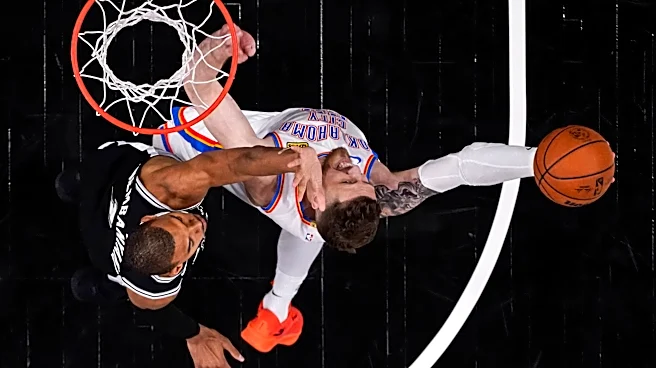
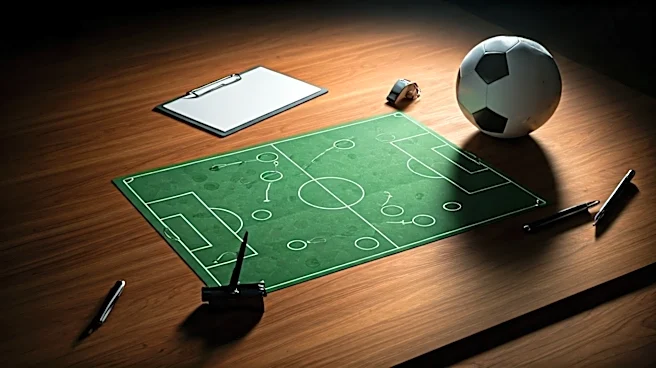
The comparison to the NBA is surprisingly direct. Think about a sideline out-of-bounds (SLOB) play with five seconds on the clock. The coach draws it up on a whiteboard: players set screens to free up a shooter, decoys pull defenders away, and the inbounder has specific targets. The goal is to manufacture a high-percentage shot by creating a momentary defensive breakdown. World Cup coaches are now applying that exact same logic. They study opponents' defensive setups—whether they use man-to-man marking, zonal marking, or a hybrid—and design plays to exploit those specific systems. The goal is no longer just to 'put it in the mixer'; it's to get your best header of the ball matched up against their weakest, just like an NBA coach schemes to get a star player an open look against a slow-footed defender.
From Screens to Goals
So what does an 'NBA play' look like on a soccer pitch? You see it in the clever movement before the ball is even kicked. Players will form a huddle or a line (like England’s famous 'love train' from the 2018 World Cup) before breaking in different directions, causing confusion for defenders trying to track their assigned man. Other players act as 'blockers' or 'screeners,' legally impeding a defender to free up a teammate, a direct parallel to a pick-and-roll. You might see a player make a decoy run to the near post, pulling two defenders with him, which opens up space at the back post for the actual target. These aren't just random movements; they are choreographed sequences, practiced relentlessly to create a specific, desired outcome—a clean header on goal from six yards out.
The Rise of the Specialist
This tactical evolution isn't happening by accident. It's being driven by a new role on the coaching staff: the set-piece specialist. Much like an NFL team has an offensive and defensive coordinator, top-tier soccer clubs and national teams are hiring coaches whose sole responsibility is to design and drill these dead-ball routines. These specialists, armed with reams of video and data analytics, break down every aspect of a set piece. They analyze delivery zones, player positioning, and opponent tendencies to find an edge. Teams like Arsenal have famously seen a dramatic increase in set-piece goals after hiring a specialist, and that success has trickled up to the international level. At the World Cup, where preparation time is short, having a book of 5-10 proven set-piece plays can be the difference between advancing and going home.