

The Power of the 'Hero Prop'
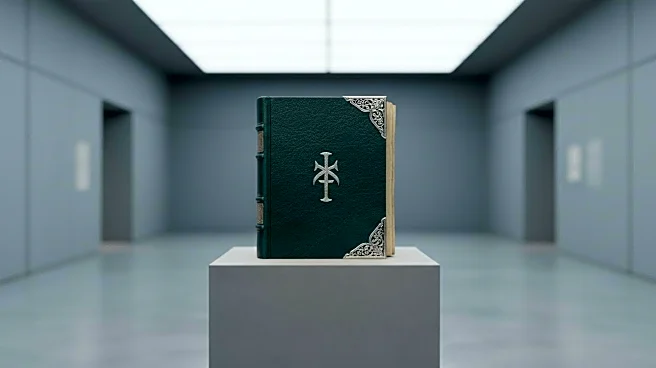
In the world of set design, a 'hero prop' is an object that is essential to the story. It’s not just background dressing; it’s a focal point that characters interact with or that holds significant meaning. At Halloween Horror Nights, the creative teams
take this concept to another level. A hero prop can be the seed from which an entire haunted house narrative grows. The process often begins months, if not a full year, in advance, when show directors and designers gather to brainstorm. It’s in these sessions that a simple concept—a dusty porcelain doll, a strange antique medical device, or a cursed storybook—can capture the team's imagination and become the anchor for a whole world. This object isn't chosen at random; it’s selected for its innate storytelling potential. It has to ask questions: Who owned this? What happened here? Why does it feel so wrong?
From Object to Immersive Narrative
Once a hero prop is chosen, the creative team begins the process of 'world-building' around it. Think of it like a spiderweb. The prop is the center, and every narrative thread radiates outward. For example, Universal Orlando's Lora Sauls described how the idea for a conservatory in one haunted manor inspired a larger theme of statues breaking out and taking over. This illustrates the process perfectly: a single element within one house became the catalyst for a broader story. If the prop is a collection of eerie, melting dolls, the room becomes a twisted dollhouse where guests have been shrunk to toy-size. Every subsequent decision is informed by that central object. The wallpaper is designed to look like it belongs in a corrupted nursery. The sound design incorporates the faint sound of a child’s laughter or a music box playing off-key. The scareactors—the live performers who bring the horror to life—are given backstories that tie them directly to the prop. It’s a collaborative effort between scenic designers, costumers, and lighting and audio specialists to ensure every detail serves the core story.
A Story You Can Walk Through
This design philosophy, known as environmental storytelling, is what makes HHN so immersive. The goal is to create a space where the story isn't just told to you; you experience it by moving through it. The rapid pace of a haunted house requires a kind of narrative shorthand, where a few key props have to do a lot of heavy lifting. You don't have time to read a plaque or watch a cutscene. Instead, you see a blood-stained scalpel on a rusted metal tray and you immediately understand you’re in a place of medical horror. The creative teams at Universal are masters of this, carefully placing objects that build a cohesive narrative from one room to the next. According to John Murdy, creative director for HHN Hollywood, one of the key criteria for any house idea is having good environments they can replicate. A single, powerful prop provides the thematic consistency needed to make that environment feel authentic and terrifyingly complete.
Look for the Story Starters
This prop-centric approach is what separates a world-class attraction like Halloween Horror Nights from a typical local haunted house. It’s not just about a series of disconnected scares; it's about crafting a believable, bone-chilling universe. The designers are so committed to this detailed storytelling that they often hide 'Easter eggs'—props and references from previous years—for dedicated fans to discover. This adds layers of history and depth to the event, rewarding those who pay close attention. It transforms the experience from a passive walk-through into an interactive scavenger hunt for the origins of the horror surrounding you. The result is an experience that lingers long after the last scareactor has jumped out, creating a feeling of having stepped into and survived a real-life horror film.