




More Than Just Skin Deep
For years, 'showing skin' in menswear meant one thing: a chiseled torso. It was the currency of billboards, the uniform of the early-2000s Abercrombie & Fitch model, and the default mode of male pop stars. It was about power, performance, and a very specific,
gym-honed ideal of masculinity. But the recent collections in Paris proposed something entirely different. The bare skin on display wasn't about aggressive peacocking; it was about suggestion, softness, and a vulnerability that felt more confident than any six-pack. Designers seem to be asking a new question: what if revealing skin wasn't a show of strength, but an invitation to look closer? This isn't the loud, look-at-me exposure of the past. It's a quieter, more poetic statement, trading blatant sex appeal for a more thoughtful sensuality.
The Art of the Reveal
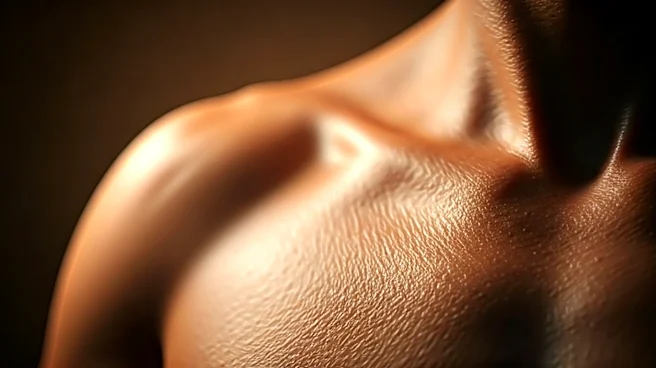
So, how does one show skin without being obvious? The answer lies in technique and texture. At shows like Loewe, Jonathan Anderson sent out models in gossamer-thin knits that were just transparent enough to hint at the form beneath, styled with a casual, lived-in ease. Dries Van Noten layered delicate, see-through organza shirts under impeccably tailored jackets, treating sheer fabric not as a gimmick but as a sophisticated textile on par with cotton or silk. Elsewhere, the focus was on unexpected zones of the body. We saw tastefully open backs on tailored vests, deep-plunging-but-not-cavernous necklines on silk shirts, and trousers cut with a slightly lower waist to expose the hip bone. Rick Owens, a master of drapery and form, continued his exploration of the male body with garments that wrapped and fell away, revealing a sliver of the side or a glimpse of the collarbone. The effect is more architectural than anatomical, using skin as just another element in the overall composition of an outfit.
A New Kind of Confidence
This shift on the runway mirrors a broader cultural conversation about masculinity. The trend feels less like an objectification of the male form and more like an embrace of a softer, more introspective male identity. The confidence it projects isn't rooted in physical dominance but in self-possession. It’s the quiet assurance of a man who is comfortable enough in his own skin to wear a sheer shirt or a backless top without it feeling like a costume or a cry for attention. This new sensuality is less about attracting a gaze and more about enjoying the feeling of fabric and air on one's own skin. It decouples sensuality from overt sexuality, suggesting that a man can be alluring without adhering to a rigid, pre-packaged ideal of desirability. It’s a move from the performative to the personal, where style is an internal expression rather than an external broadcast.
Will It Translate from Runway to Reality?
Of course, the immediate question is whether the average American man will be walking around in a sheer organza blouse next summer. Probably not. But high fashion trends are less about direct imitation and more about influencing the general mood of menswear. What starts as a transparent shirt on a Paris runway often trickles down into more accessible forms. Think lighter, more breathable fabrics for summer shirts, knits with a more open weave, or tank tops with slightly deeper armholes. A man might not opt for a fully backless blazer, but he might feel more comfortable wearing a linen shirt with an extra button undone or choosing a short-sleeve button-down made of a semi-sheer cotton voile. The real takeaway for everyday style isn't the specific garment but the permission it grants: the freedom to embrace lighter textures, play with subtle forms of exposure, and prioritize personal comfort and quiet confidence over conforming to outdated rules.