




The Sound That Changed Everything
In 1955, popular music was on the cusp of a seismic shift, and Ellas McDaniel, a 26-year-old guitarist from Mississippi by way of Chicago, was about to become one of its tectonic plates. Performing under the electrifying moniker Bo Diddley, he had crafted
a sound unlike anything else. It was a raw, percussive, and utterly hypnotic rhythm—a syncopated five-accent beat with roots in African 'patted juba' traditions, filtered through the grit of Chicago blues. It was insistent and driving, a one-chord jam that felt less like a song and more like a force of nature. This wasn't the polite pop that dominated the airwaves; it was something new, something dangerous, something that would provide the very foundation for rock and roll. This beat, famously described as 'shave and a haircut, two bits', would become his trademark and his legacy.
Frustration at Chess Records
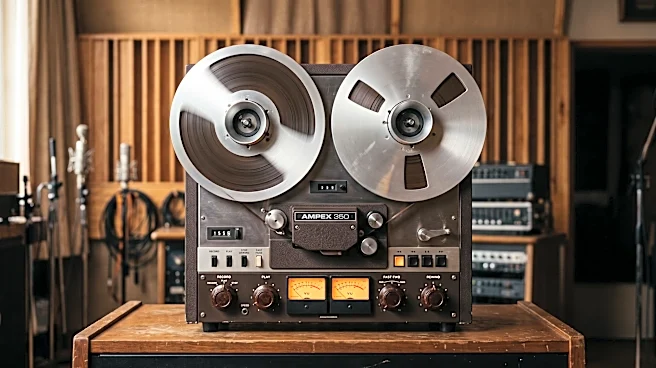
Armed with his groundbreaking sound, Bo Diddley landed an audition at the legendary Chess Records. According to stories from the session, he initially presented a song titled 'Uncle John'. The raw, suggestive lyrics, however, were deemed too risque for mainstream radio in the mid-1950s. Leonard Chess, the label's co-founder, recognized the power of the rhythm but insisted the words had to change. This moment captures the creative tension that often defined early rock and roll recording sessions: the struggle between an artist's raw vision and a record label's commercial anxieties. While no definitive source confirms Bo Diddley himself was ready to bin the master tape over this specific lyric dispute, the anecdote speaks to a larger truth about the precarious nature of innovation. In a world not yet ready for his sound, the line between a hit and the trash can was perilously thin.
A Legend is Born
Whether through a producer's guidance or his own resilience, Diddley reworked the track. He replaced 'Uncle John' with his own stage name, turning the song into a self-titled anthem. Released in 1955 with the searing blues of 'I'm a Man' on the B-side, 'Bo Diddley' was a sensation. It shot to the top of the R&B charts, announcing the arrival of a major new voice in American music. The sound was so audacious that when Diddley appeared on 'The Ed Sullivan Show' that same year, a legendary confrontation occurred. Asked to play the standard 'Sixteen Tons', he instead launched into his own hit, a move that got him banned from the show but cemented his status as a rock and roll rebel. The world had heard the Bo Diddley beat, and there was no turning back.
The Beat Goes On
The influence of that one recording session is immeasurable. The Bo Diddley beat became a fundamental building block for countless artists. Buddy Holly borrowed it for 'Not Fade Away', which in turn became a hit for The Rolling Stones, who revered Diddley as a musical deity. The beat pulsed through The Who's 'Magic Bus', The Smiths' 'How Soon Is Now?', and U2's 'Desire'. From the garage rock of The Stooges to the pop swagger of George Michael's 'Faith', that rhythm proved its universal power. He was nicknamed 'The Originator' for a reason; he didn't just write songs, he created a new rhythmic language that other musicians would speak for generations. That nearly-discarded idea became one of music's most enduring legacies.