

The Allure of the A-List
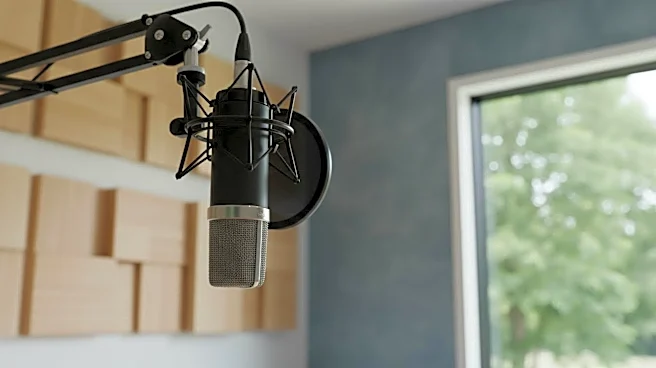
The logic behind casting a movie star as a cartoon animal seems straightforward: it’s all about the marketing. Attaching a household name to an animated film gives studios a massive head start in a crowded marketplace. Suddenly, the promotional tour isn't
just about the movie; it's about seeing a beloved celebrity on late-night talk shows, sharing amusing anecdotes from the recording booth and lending their star power to the project. This is especially crucial for summer blockbusters, which live and die by their opening weekend performance. A famous voice provides instant recognition and can persuade parents and non-parents alike to buy a ticket. While children may not know who the actor is, the adults paying for the tickets certainly do, turning the film into an event for a broader audience.
Instant Character, Just Add Celebrity
Beyond the marketing blitz, there's a creative argument for this shortcut. Using a well-known actor can give a character an immediate, built-in personality. When you hear Dwayne Johnson's voice, you expect a character who is strong, confident, and probably charmingly arrogant. When you hear a comedian like Pete Davidson, you anticipate a certain kind of sarcastic, laid-back energy. Directors can leverage an actor's established public persona to quickly define a character, saving valuable screen time that would otherwise be spent on exposition. The audience subconsciously maps the actor’s known traits onto the animated figure, creating a shorthand for character development. The two become extensions of one another, as seen with characters like Dory, who is now inseparable from Ellen DeGeneres.
The Disappearing Art of Voice Acting
However, this reliance on celebrity personas has sparked a long-running debate and growing frustration within the animation industry. Professional voice actors—performers who specialize in creating characters using only their voice—argue that they are being systematically sidelined. Their craft isn't about lending a pre-existing personality to a role, but about building one from the ground up. Voice acting requires a unique skill set, distinct from on-screen acting, as performers must convey every emotion and nuance without the aid of facial expressions or body language. Many professionals feel this specialized art form is disrespected when roles are given to celebrities as a marketing gimmick, with some reporting they aren't even invited to their own movie premieres. The trend implies that voice acting is not a distinct discipline, but something any famous actor can simply do on the side.
When the Shortcut Works (And When It Doesn't)
Not all celebrity casting is a creative failure. The practice arguably hit its modern peak with Robin Williams' iconic performance as the Genie in "Aladdin." The role was written specifically for him, and his manic improvisational energy defined the character and became central to the film's success. Similarly, Eddie Murphy's Donkey in "Shrek" is another frequently cited example of a perfect match between a comedic star and an animated character. The problem arises when the casting feels lazy or distracting. Sometimes, a celebrity's voice is so recognizable that it pulls the audience out of the movie. Instead of seeing a character, they just hear a famous person speaking into a microphone. This often happens when the actor doesn't modulate their voice or create a distinct character, resulting in a performance that feels flat or simply like a paid appearance. The success isn't guaranteed by the fame of the actor, but by their ability and willingness to fully inhabit the animated role.