



The Blueprint of Belief
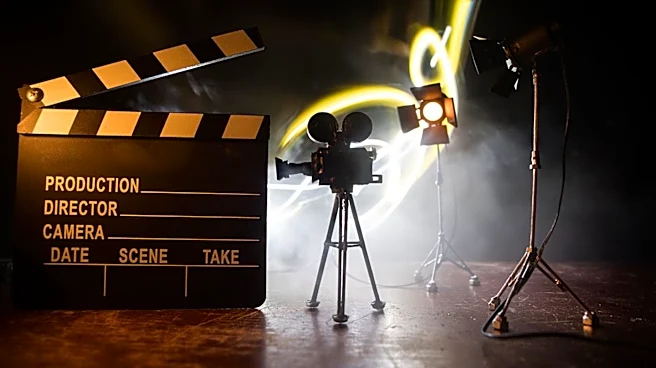
A production designer's job isn't to decorate a room; it's to build a reality that serves the story. They are the architects of a film's entire visual universe. The process starts with the script. The designer collaborates closely with the director and
cinematographer to create a cohesive visual language that supports the narrative. They ask crucial questions: What is the emotional core of this story? Who are these characters, and how does their environment reflect their inner lives? A character’s messy apartment, for instance, isn't just a location; it's a window into their state of mind. The design must provide context for the story's action while also enhancing the audience's emotional experience. This 'pictorial vision' guides every subsequent choice, from major set construction to the smallest hand prop.
Color as an Emotional Shortcut
Color is one of the most powerful and subliminal tools in a designer's kit. It’s a shortcut to mood and meaning. A specific palette can instantly tell an audience how to feel. For example, the sickly green tint in “The Matrix” creates a sense of unease and artificiality, while the vibrant, romanticized colors of “Amélie” build a whimsical, dreamlike Paris. These choices are deliberate. Warm colors like reds and oranges can evoke passion, energy, or danger, while cool colors like blues and greens can suggest calmness, isolation, or melancholy. By working with the director and cinematographer, the production designer ensures the color scheme aligns with the film's themes, creating a consistent emotional backdrop that the audience feels more than they consciously notice.
Shaping Space to Define Character
The way a space is designed—its architecture, layout, and furnishings—profoundly influences our understanding of characters and their relationships. A massive, sterile office with a huge desk at one end immediately communicates power and distance. A cramped, cluttered kitchen filled with warm, worn furniture can signal intimacy and family history. Production designers are, in a sense, visual sociologists. They use space to establish hierarchy, reveal personality, and create tension or harmony. Think of the contrast in “Parasite” between the Parks' spacious, minimalist home and the Kims' cramped semi-basement apartment. The architecture itself tells a story of class, aspiration, and confinement long before the plot spells it out. The design is a character in itself, shaping how both the actors and the audience navigate the world of the film.
The Power of the 'Lived-In' Detail
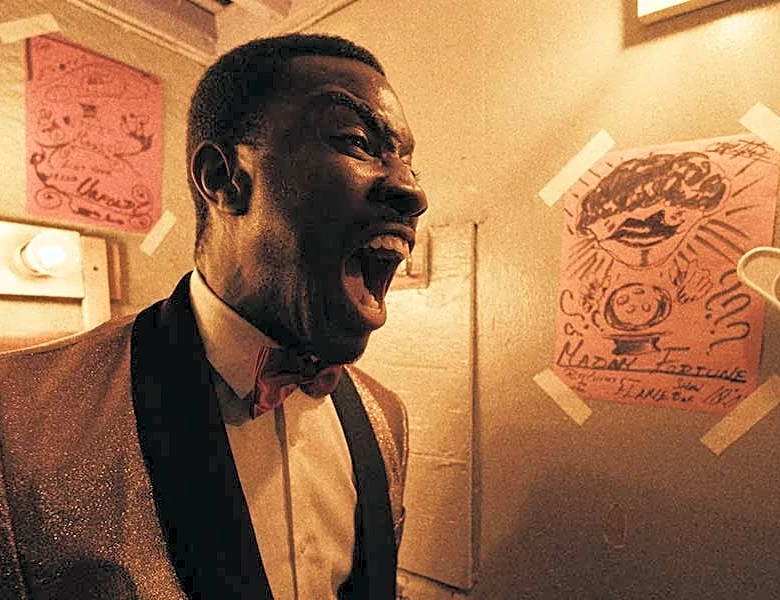
The final layer of believability comes from what designers call environmental storytelling—the art of embedding narrative information into the set itself. This is about the micro-details that make a space feel authentic and lived-in. It’s the scuff marks on a doorframe, the stack of mail on a counter, the specific collection of books on a shelf, or the graffiti on a wall. These details reward the observant viewer with tiny, unspoken stories about the people who inhabit the world. A production designer and their team might spend days 'aging' a set, adding layers of patina, dust, and wear to make it feel as if it has existed for years. These elements might never be the focus of a shot, but together they create a rich, textured reality that makes the fictional world feel completely tangible.