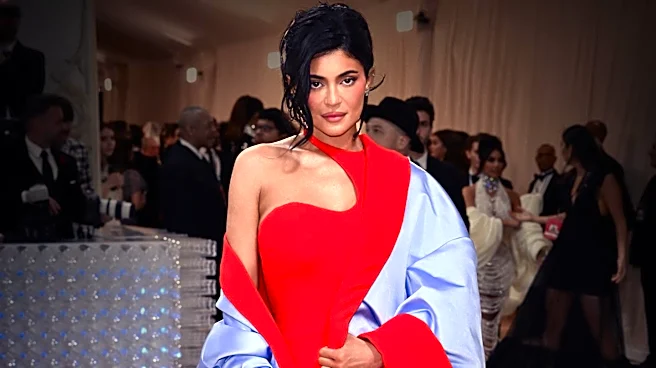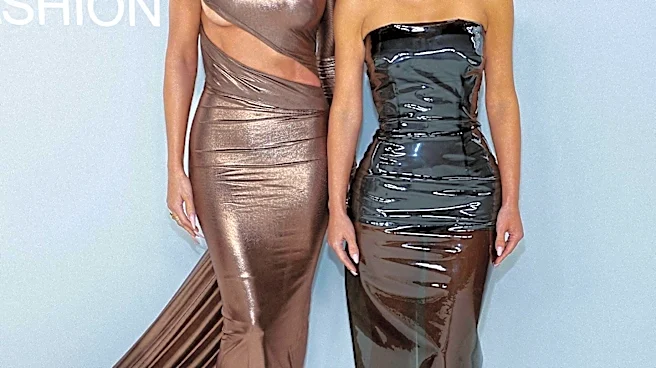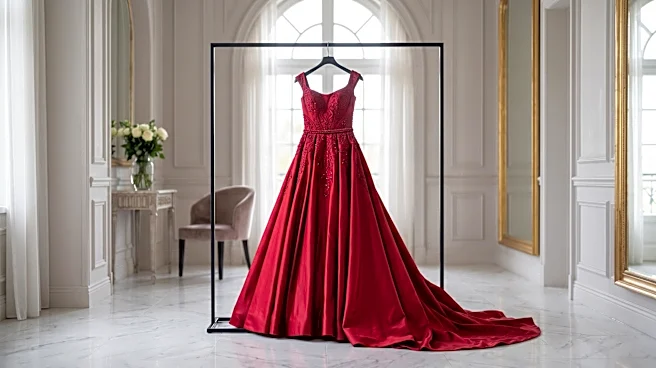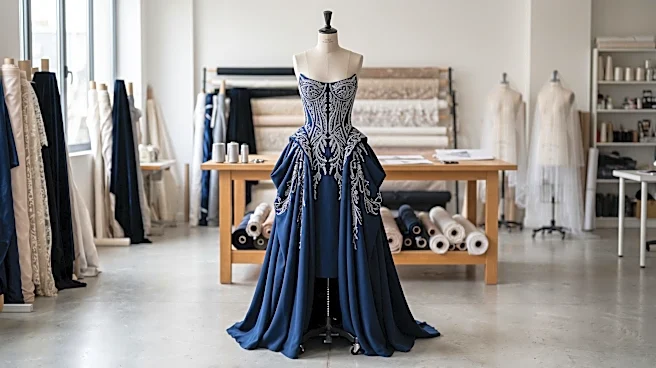


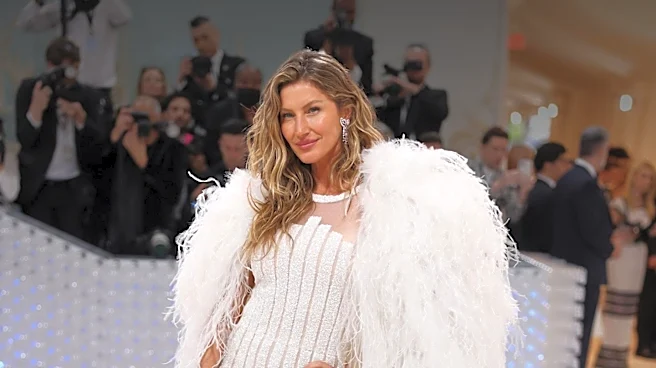

When a celebrity glides onto the red carpet, their gown often looks like it was made just for them. In reality, it probably wasn't. Here's the inside story of how a single runway sample is transformed into a picture-perfect fashion moment.
The Sample Size Scramble
It all begins
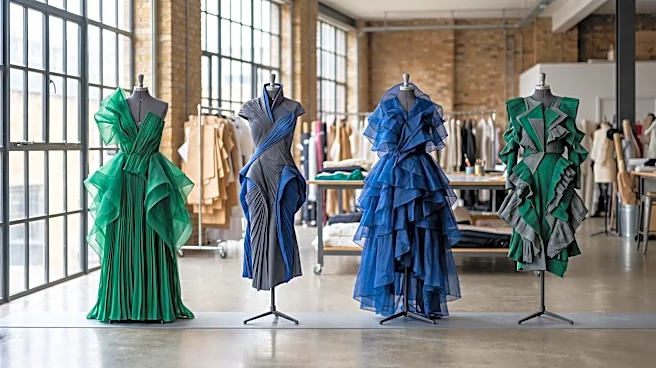
with the 'sample,' the prototype garment designers create to showcase a collection. These are used for runway shows and photoshoots, and for practical reasons like cost and production speed, they are almost always made in one standard, very small size—typically a US 0 or 2. A celebrity's stylist must first successfully 'call in' or borrow one of these coveted pieces from a designer. This process itself is competitive. A-list actors who are nominated for major awards often get first pick, followed by presenters and other high-profile attendees, creating a pecking order for the most sought-after looks. The stylist's relationship with the fashion house is key, and they must also ensure no other celebrity is slated to wear the same outfit to a major event.
The First Fitting: A Reality Check
Once the sample dress arrives, the real work begins. The first fitting is where the idealized runway vision meets the reality of a human body. Unlike runway models, who are often hired specifically because they fit the sample size, celebrities have a wide range of body types. During this session, the stylist and a trusted tailor or seamstress assess what needs to be done. It's rare for a sample to fit perfectly off the hanger. The team identifies every issue, from a hemline that's too long to a bodice that gaps or a waist that doesn't sit quite right. This is the blueprint for the transformation, where the tailor determines exactly how to reshape the garment to flatter the celebrity's unique proportions.
The Art of Extreme Tailoring
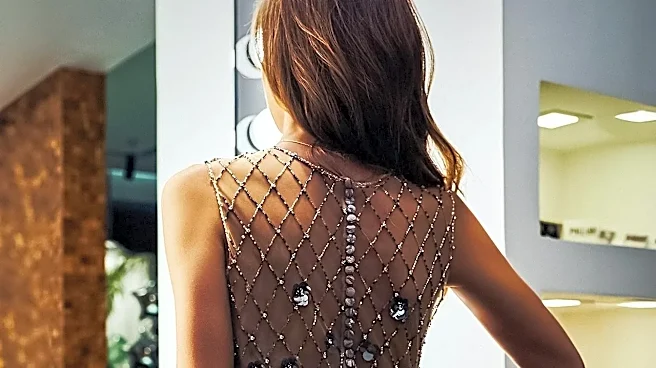
This is where the magic happens, often under immense time pressure. Celebrity tailors are masters of illusion and reconstruction. For a dress that's too small, they might discreetly add side panels using perfectly matched fabric or insert a 'gusset'—a small piece of fabric to provide more room—in an unseen area. If a gown is too large, seams are taken in, often requiring the deconstruction and rebuilding of intricate parts of the dress. Necklines can be reshaped, leg slits can be closed or opened, and straps are frequently shortened or adjusted to ensure the bodice sits securely. For sheer or backless gowns, tailors can sew in custom internal support, like bra cups or light boning, to provide shape and security without visible undergarments.
Smoke, Mirrors, and Double-Sided Tape
Not all fixes involve a needle and thread. Stylists have an arsenal of temporary tricks to achieve a flawless look for the few hours a dress is worn. The most famous is double-sided fashion tape, used to keep plunging necklines in place, prevent straps from slipping, and secure fabric to the body to avoid wardrobe malfunctions. However, relying solely on tape can be risky, as it can fail under hot lights or with movement. The right undergarments are also crucial. Shapewear smooths lines and creates a sleek silhouette, while specialized stick-on bras or underwear are used for daringly low-cut or high_slit designs. These elements are chosen carefully during fittings to remain completely invisible under the glare of flash photography.
The Final Polish on Event Day
The day of the event is a final flurry of activity. A seamstress is often on hand during the getting_ready process for any last_minute emergencies, like a broken zipper—a crisis that sometimes requires sewing the celebrity directly into the dress. The stylist makes final checks as the celebrity walks and poses, ensuring the fabric moves correctly and looks perfect from every angle. Once the hair, makeup, and jewelry are complete, the entire look is evaluated one last time. This meticulous, high_pressure process of cutting, sewing, and styling is the hidden labor behind every seemingly effortless red carpet triumph.