





The Original Fear: A Newer, Shinier Toy
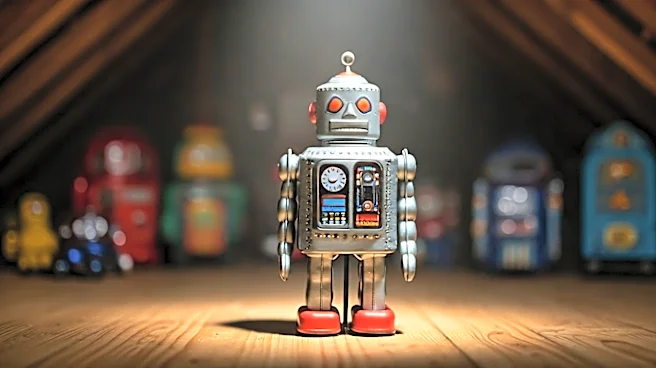
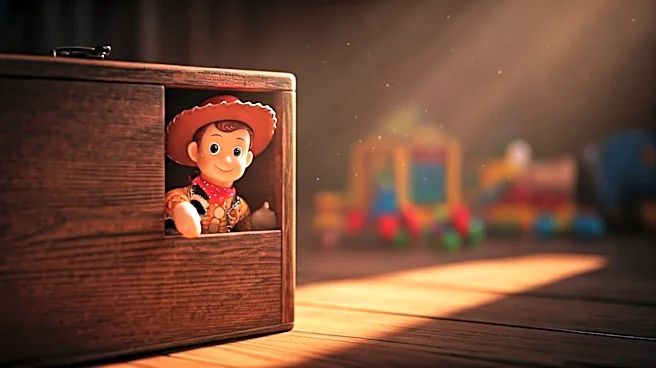
Remember the terror of the original Toy Story? It wasn’t about being broken or lost; it was about being replaced. Woody, the undisputed king of Andy’s room, finds his reign threatened by Buzz Lightyear, a space-age action figure with lasers and wings.
This simple conflict tapped into a primal childhood fear: that our parents’ or friends’ affection was finite and could be usurped by someone newer, cooler, or more interesting. The drama was born from the anxiety of relevance. Toy Story 2 deepened this theme. Woody wasn't just at risk of being a secondary toy; he faced the choice between a short, loved life with Andy and an eternal, sterile existence behind glass as a collector’s item. The introduction of Jessie’s tragic backstory—being abandoned by her owner Emily, who simply grew up—planted the seed for a much more profound and existential dread. The enemy was no longer just a rival toy; it was time itself.
The Bittersweet Goodbye: Andy’s College Box
Many believed Toy Story 3 was the perfect ending, and for good reason. It addressed the inevitable conclusion that Toy Story 2 foreshadowed. The toys’ greatest fear was fully realized: Andy grew up. He didn’t stop loving them, but his life moved on, and they no longer had a central role in it. The film’s harrowing, near-death incinerator scene served as a metaphor for their obsolescence. Their escape wasn’t just from a physical threat but from the existential void of purposelessness. The final scene, where Andy passes his beloved toys to Bonnie, is one of modern cinema’s most emotionally resonant moments. It provided a perfect, heart-wrenching catharsis. It acknowledged that letting go is a painful but beautiful part of life. For the generation that grew up with Andy, it was a mirror of their own transition into adulthood, packing up childhood memories and facing an uncertain future. The fear was no longer about being replaced, but about being lovingly, respectfully, and permanently outgrown.
The Existential Crisis: A Life Beyond the Kid
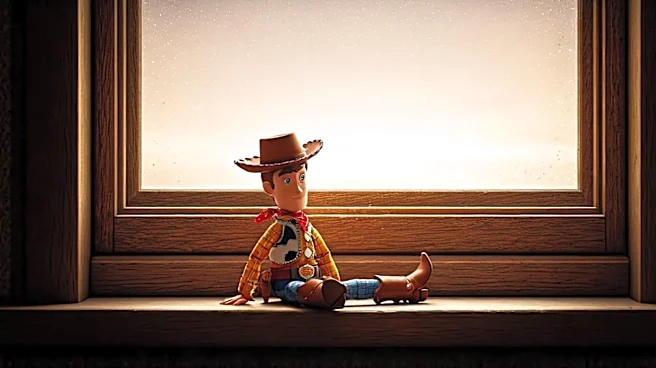
Toy Story 4 was initially seen by some as an unnecessary epilogue, but its true genius was in shifting the franchise's central question. After being passed to Bonnie, Woody finds himself in a new, unfamiliar reality: he’s not the favorite. He spends most of his time in the closet, collecting dust bunnies. His identity, forged over decades as a child’s most important companion, is shattered. His journey with Forky, a toy who doesn’t even believe he is a toy, forces Woody to confront a new kind of anxiety. What is a toy’s purpose when they are no longer played with? His ultimate decision to leave Bonnie’s group and become a “lost toy” with Bo Peep, helping other toys find kids, was radical. It suggested that a fulfilling life could exist beyond a single owner. The franchise had moved from the fear of being replaced by another toy to the fear of becoming obsolete, and finally, to the question of how to redefine your purpose after your primary role has ended—a deeply adult theme many viewers face in their own careers and lives.
The Next Frontier: Competing with the Screen
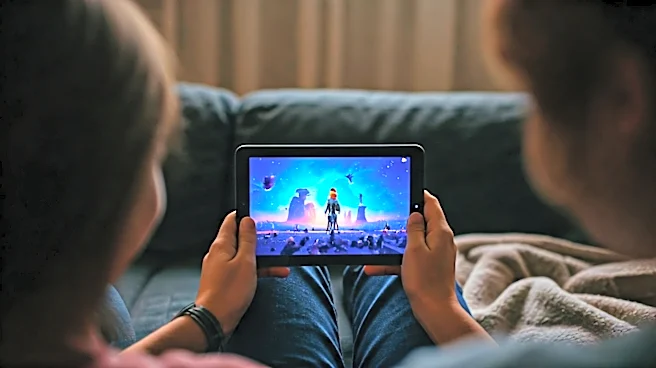
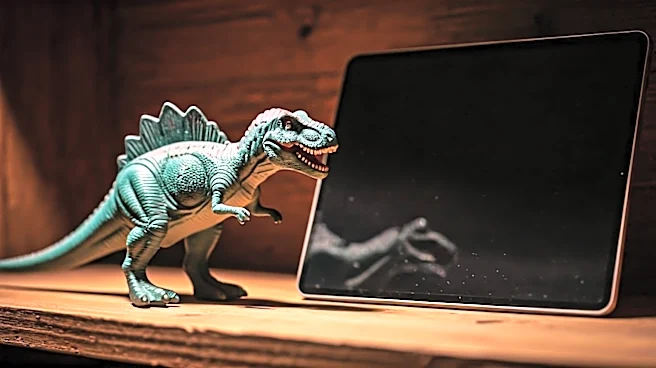
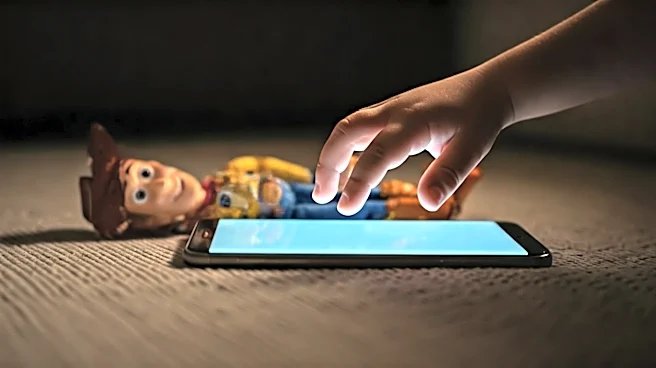
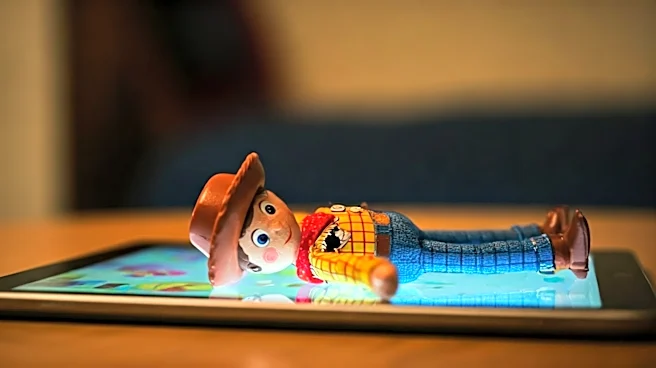
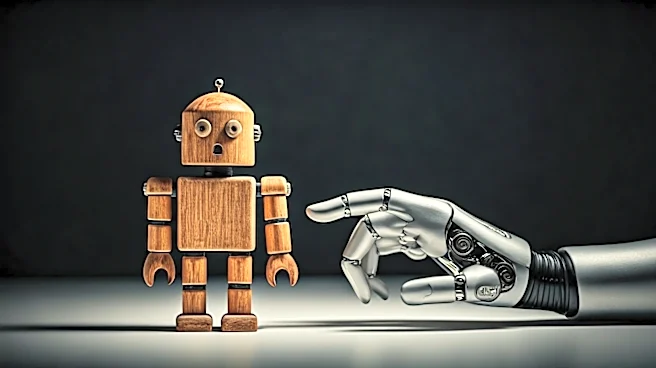
This brings us to Toy Story 5 and the most modern, relatable anxiety of all. The original conflict was analog: toy versus toy. The new conflict is almost certainly digital. What happens when a toy isn’t just left in the closet but is left on the floor while its owner stares at an iPad? The ultimate rival for a child’s attention is no longer a shiny new action figure; it’s the infinite, glowing scroll of a screen. This is the logical and brilliant next step for the series. It directly connects with the anxieties of Millennial parents who grew up with Woody and Buzz and are now raising their own children in a world saturated with digital entertainment. The struggle to get kids to engage in imaginative, physical play is a daily battle in countless households. A story where Woody, Buzz, and the gang must find a way to remain relevant in the age of YouTube Kids and mobile games isn't just a clever plot device; it’s a reflection of modern parenting. It’s the fear not of being outgrown, but of becoming utterly invisible in the face of a more stimulating, ever-present competitor.