


It All Begins with the Fiber
The first and most crucial indicator of quality is the material itself. A sweater’s journey to richness starts with its fiber composition. Natural fibers like cashmere, merino wool, and alpaca are prized for their softness, warmth, and breathability.
Cashmere, known for its buttery feel and lightweight warmth, is a hallmark of luxury. Merino wool is another champion, offering excellent temperature regulation and durability, making it a versatile and practical choice. In contrast, synthetic fibers such as acrylic and polyester can sometimes have an artificial sheen and lack the subtle, natural texture that reads as expensive. When you check the label, look for specifics like '100% merino wool' or a high-percentage cashmere blend. Vague terms like 'mixed fibers' can be a red flag.
The Density and Feel of the Knit
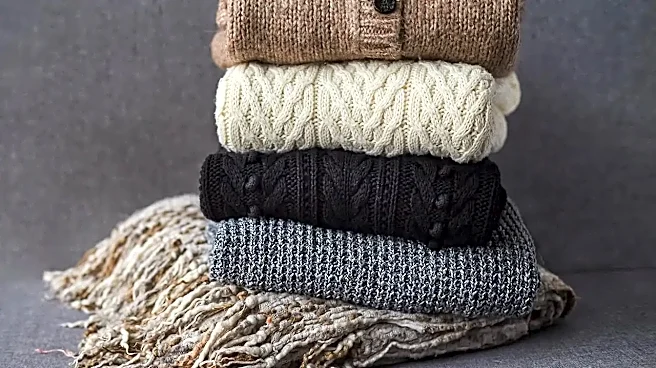
Once you've assessed the fiber, pay attention to the knit itself. A high-quality knit will have a dense, consistent weave. You can check this by holding the sweater up to a light source; a well-made knit will block more light than a flimsy, loose one. The fabric should feel substantial, with a certain 'spring' to it. Gently stretch a section of the fabric; it should readily bounce back to its original shape, which indicates good elasticity and shape retention. A sweater that feels limp or stays compressed is likely made from weaker fibers that won't stand the test of time. While softness is a good sign, be wary of knits that feel overly fuzzy or slippery right off the rack, as this can be a precursor to pilling.
Construction: The Telltale Seams
How a sweater is put together is a dead giveaway of its quality. The gold standard is 'fully fashioned' construction. This means each panel of the sweater—the front, back, and sleeves—is knitted to its precise shape and then linked together. This method results in flat, nearly invisible seams that are flexible and durable. You can often spot subtle 'fashion marks', which are tiny dots near the armholes or neckline where stitches were added or subtracted to create the shape. The more common alternative is 'cut and sew', where the panels are cut from a large sheet of knitted fabric and then stitched together. This method is cheaper and faster but can result in bulky, rigid seams that are more prone to unraveling and distorting the garment's fit. To check, turn the sweater inside out and examine the seams; a clean, flat finish signals superior craftsmanship.
Finishing Touches That Signal Quality
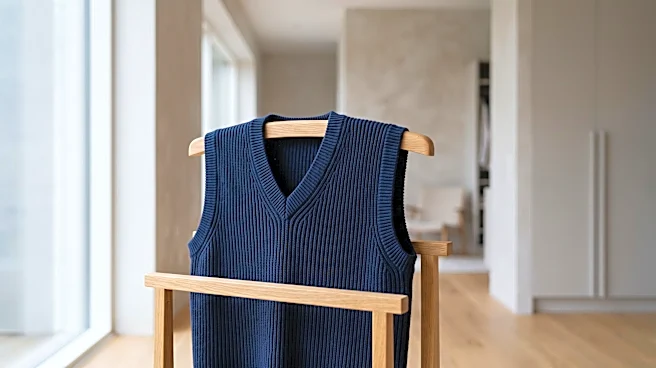
The small details often make the biggest difference. Look at the ribbing on the cuffs, hem, and neckline. On a quality knit, this ribbing should be firm and elastic. Gently stretch a cuff and see if it snaps back into place. Ribbing that looks stretched out or wavy on the hanger is a sign of poor construction. The neckline should lie flat without curling or gaping. If it's a cardigan, the buttonholes should be neat and reinforced, and the buttons should feel securely attached. These seemingly minor elements contribute to the overall structure and longevity of the garment, ensuring it maintains its shape and polish wear after wear.
The Richness of the Black Dye
Even the color itself can be an indicator of quality. A deep, saturated, matte black often looks more expensive than a black that has an unnatural shine or appears faded. Natural fibers like wool and cashmere tend to absorb dye in a way that creates a rich, deep color with a natural finish. Some synthetic materials can struggle to achieve this depth, resulting in a color that looks less dimensional. The health of the fiber also plays a role; a smooth, healthy fiber reflects light evenly, making the color appear richer and more consistent. A truly luxurious black knit has a color that feels intentional and deep, providing a perfect canvas for any outfit.